Record Layoffs Meet Unprecedented Market Gains Amidst Economic Dissonance
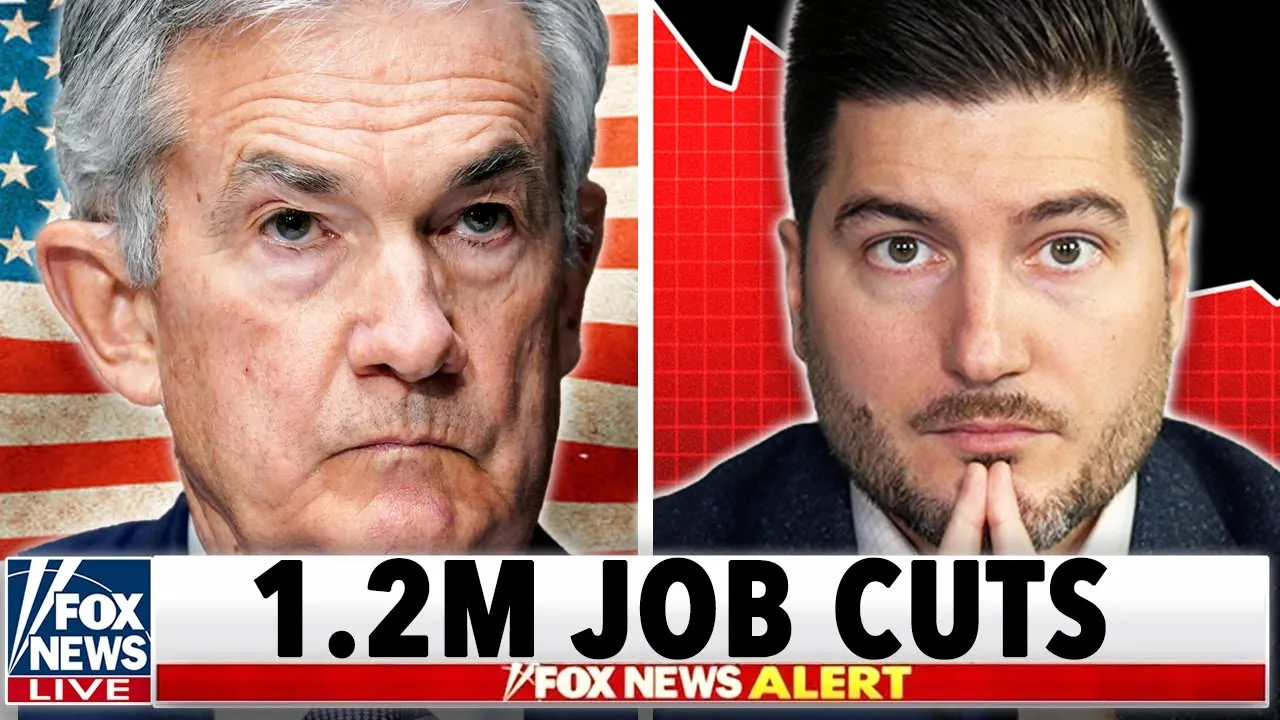
In a striking paradox, the U.S. labor market is experiencing its most severe downturn since the Great Financial Crisis, with 1.2 million job cuts announced in 2025 alone. This surge in layoffs, marking the second-highest total in 16 years, stands in stark contrast to the S&P 500’s remarkable ascent, which has added an estimated $17 trillion in market capitalization since April and is on pace for its 29th record high of the year. This divergence between widespread job losses and soaring equity markets is creating a significant disconnect in public perception and economic reality.
Layoffs Hit All Sectors, Including Highly Educated Workforce
The current wave of job cuts is not confined to specific industries or demographics. November 2025 alone saw over 71,000 layoffs, the third highest monthly total on record. Alarmingly, the data indicates a significant rise in job losses among college-educated workers. The share of the unemployed holding four-year degrees has reached a record high of 25.3%, double the levels seen in 2008 and surpassing figures from 2020. This trend suggests that even highly skilled professionals are not immune to the current labor market weakness.
The year-to-date layoff total for 2025, as of the end of November, shows a trajectory significantly above historical averages for similar periods, surpassing the figures seen in 2009 and 2020, though lower than the extreme spike in 2022. This sustained increase in job cuts points to a systemic weakening across the labor market.
The ‘Two Economies’: AI Boom vs. Strained Consumer
The prevailing sentiment among Americans is that the country is in a recession, with approximately 68% citing inflation and the rising cost of living as primary drivers of this perception. Half of all households report constant financial stress. This lived experience of economic hardship, often described as the ‘real economy’ or ‘Main Street,’ is at odds with official economic indicators.
The key to understanding this dichotomy lies in the emergence of what can be described as ‘two economies.’ A significant portion of U.S. GDP growth, estimated at 63% this year, is attributed to Artificial Intelligence (AI) related spending. Investment in data centers, for instance, has tripled since the launch of ChatGPT in 2022. Concurrently, spending on other forms of infrastructure, excluding data centers, has declined by 20% from its 2023 peak. This AI-driven corporate boom is primarily benefiting large technology firms and their associated sectors.
In contrast, the consumer-driven economy is showing signs of strain. While restaurants and consumer spending on certain goods appear robust on the surface, this is often fueled by individuals taking on gig economy roles (like DoorDash or Uber) to supplement income rather than choosing unemployment. This indicates a growing reliance on precarious work to maintain living standards amidst rising costs.
Market Dynamics: Mega-Cap Dominance and Investor Implications
The S&P 500’s impressive rally is largely driven by a concentrated group of mega-cap technology stocks, particularly those involved in AI development. The top 10% of U.S. stocks now constitute 76% of the entire market’s value. This concentration means that the performance of a few dominant companies is disproportionately lifting the index, masking underlying weaknesses in other market segments and the broader economy.
This market structure has significant implications for investors. Those who do not own assets, particularly equities and other growth-oriented investments, risk being left behind as inflation erodes the purchasing power of cash. The adage ‘cash is trash’ is frequently invoked, emphasizing that fiat currency, especially in an environment of quantitative easing and money printing, is losing value over time.
The Federal Reserve’s decision to cut interest rates for the third time this year is not a signal of strength in the broad economy, but rather a response to the struggling American households and the potential for increased defaults on consumer debt, such as credit cards. While big tech may not directly benefit from rate cuts, the broader market, including assets like stocks, commodities, real estate, and Bitcoin, is expected to rise in nominal terms due to these monetary policy adjustments and persistent inflation.
What Investors Should Know
- Divergent Economic Realities: Recognize the significant gap between the booming AI-driven corporate sector and the struggling consumer economy.
- Concentrated Market Gains: Understand that the S&P 500’s performance is heavily influenced by a few mega-cap tech stocks.
- Inflationary Hedge: For investors, asset ownership (stocks, real estate, commodities, cryptocurrencies) is increasingly viewed as the primary hedge against inflation and the erosion of purchasing power.
- Potential for Stagflation: The combination of weakening labor markets, sticky inflation, and rate cuts could foster a stagflation-like environment, where asset prices rise nominally despite slow economic growth.
- Long-Term Asset Value: The trend of increasing financial assets relative to GDP, particularly since the era of quantitative easing, suggests a continued nominal upward trend for assets tied to the financial system.
The current economic landscape presents a complex scenario where record job losses coexist with record market highs. The AI revolution is fundamentally reshaping industries and capital flows, leading to a widening wealth gap between asset owners and those holding cash. For investors, the key takeaway is the necessity of owning assets to preserve purchasing power in an inflationary environment, as the nominal value of these assets is expected to continue its upward trajectory, irrespective of the challenges faced by the average consumer.
Source: 1.2 Million Job Cuts At All Time Market Highs (Here's What Happens Next) (YouTube)