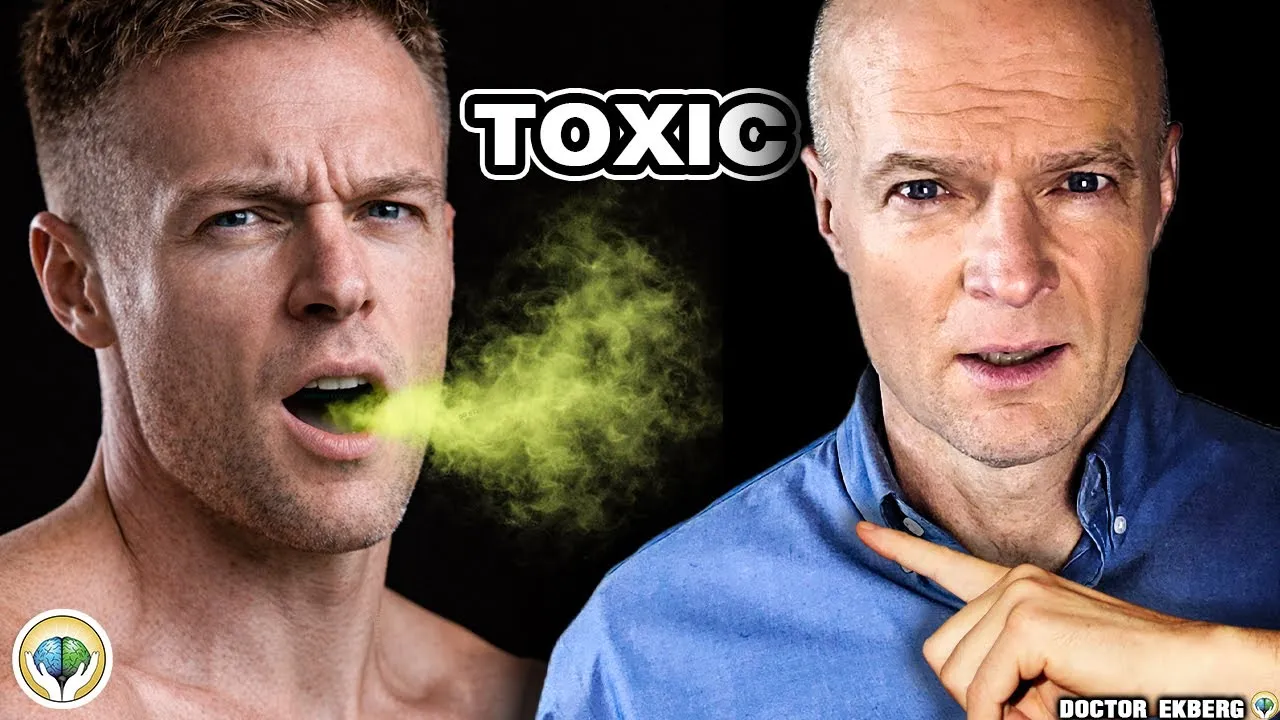
Tired, Foggy, or Breaking Out? Your Body Might Be Signaling Toxin Overload
In our modern world, exposure to toxins is more prevalent than ever. While dramatic poisoning is rare, the subtle, cumulative effects of everyday toxins can contribute to a wide range of chronic health conditions. Understanding the early warning signs your body sends can be the first step toward mitigating these risks and supporting your overall well-being.
What Exactly is a Toxin?
A toxin is broadly defined as anything that disrupts cellular function. This can include external substances like pollutants in our air, food, and water, as well as internal byproducts of our own metabolism, inflammation, and gut bacteria. Health is maintained when the body’s natural detoxification systems can keep pace with the toxin load. When the buildup of toxins exceeds the body’s removal capacity, an excess toxic load can accumulate, potentially leading to health issues.
Early Warning Signs of Toxin Buildup
The body often provides subtle clues when it’s struggling to manage toxin levels. Recognizing these signs can prompt proactive lifestyle changes.
1. Brain Fog
Difficulty concentrating, slower thinking, and a general lack of mental clarity can be linked to toxins crossing the blood-brain barrier. This protective barrier, while robust, can be compromised by certain substances, interfering with brain signal transmission and processing speed.
2. Persistent Fatigue
Feeling tired even after adequate sleep can be a sign that your body’s energy production is compromised. Toxins increase oxidative stress, particularly in the mitochondria – the powerhouses of your cells. When mitochondria are overloaded, their efficiency in producing ATP (the body’s energy currency) decreases, leading to fatigue.
3. Digestive Irregularities
Bloating, constipation, or a feeling of incomplete elimination can indicate that the gut, a primary route for waste removal, is not functioning optimally. Issues with bile, gut motility, or an imbalance in gut bacteria (dysbiosis) can lead to increased inflammation and toxin production, or the reabsorption of waste products.
4. Skin Changes
Breakouts, rashes, dull skin tone, or itching can be manifestations of inflammation and immune reactions triggered by toxins. Furthermore, the skin acts as an elimination pathway. If the liver and kidneys are overwhelmed, excess toxins may be pushed to the skin, altering its pH and sebum production, and leading to visible changes.
5. Chemical Sensitivity
Developing new sensitivities or reactions to substances that previously didn’t cause issues, such as perfumes, cleaners, or certain food smells, can signal that your liver’s detoxification pathways are saturated. When the liver’s enzymes are overwhelmed, toxins remain in circulation longer, potentially sensitizing the immune system and leading to exaggerated responses.
6. Morning Heaviness
Waking up feeling tired, stiff, or mentally foggy, even after a full night’s sleep, suggests that the liver’s detoxification processes, which are most active during sleep, may be congested. If the liver cannot clear toxins effectively overnight, you may start the day with an elevated toxic load.
7. Head Pressure or Dull Headaches
Unexplained head pressure or dull headaches, especially without a clear trigger, can be related to toxin buildup. When toxins enter the brain, they can cause neuroinflammation and alter cerebral blood flow, leading to increased pressure within the skull.
8. Poor Stress Tolerance
Feeling easily overwhelmed, experiencing sudden outbursts of anger, or having difficulty controlling emotional responses can be linked to a depleted energy supply for the frontal lobe. The frontal lobe is crucial for executive functions like inhibiting stress and controlling impulses. When ATP production is compromised by toxin overload, the frontal lobe’s ability to manage stress and behavior is impaired, leading to a state of ‘sympathetic escape’ or heightened fight-or-flight responses.
9. Bad Breath or Body Odor
When the primary detoxification organs are overloaded, the body may attempt to eliminate excess toxins through the lungs and skin. While some metabolic byproducts are naturally released through breath, an overflow of toxins can lead to unpleasant odors. Similarly, toxins on the skin can be converted into smelly compounds by resident bacteria.
10. Stubborn Inflammation
Lingering toxins can keep immune cells activated for longer periods, contributing to chronic inflammation. This can manifest as joint pain, puffy eyes, facial swelling, or general stiffness, indicating that the body’s waste clearance system is struggling to keep up.
Understanding the Sources of Toxicity
Modern life presents a dual challenge: external and internal toxins.
External Toxins
- Environmental Pollutants: Chemicals in the air, water, and food.
- Household Products: Cleaning agents, personal care items, cosmetics.
- Materials: Plastics in food containers, packaging, and water bottles.
- Medications: Processed by the liver for elimination.
- Electromagnetic Fields (EMFs): From electronic devices.
- Unnatural Light: Artificial lighting and screens, especially LED and fluorescent.
Internal Toxins
- Metabolic Waste: Byproducts of energy production and cellular processes.
- Inflammation: Both acute and chronic inflammation produce waste products.
- Gut Imbalance (Dysbiosis): Overgrowth of pathogenic bacteria releasing toxins.
- Insulin Resistance & Blood Sugar Swings: Impair the efficiency of metabolism.
- Poor Sleep: Disrupts natural restorative and detoxification processes.
- Lymph Stagnation: Reduced physical activity hinders the lymphatic system’s ability to clear waste.
Supporting Your Body’s Natural Detoxification
While occasional detoxes or cleanses can serve as a reset, long-term health relies on consistently supporting the body’s innate detoxification systems. This involves:
- Nourishing Diet: Consuming nutrient-dense foods that provide the building blocks and co-factors for detoxification enzymes and organ function (liver, kidneys).
- Hydration: Essential for flushing waste products.
- Regular Movement: Crucial for stimulating lymphatic flow. Aim for activities that increase your heart rate and engage large muscle groups.
- Stress Management: Chronic stress taxes the body’s resources and can impair detoxification.
- Adequate Sleep: Allows the body to repair and regenerate, including key detoxification processes in the liver.
- Reducing Toxin Exposure: Making conscious choices to minimize contact with environmental and chemical toxins.
Important Considerations
It’s crucial to understand that most signs and symptoms of toxicity are not pathognomonic, meaning they don’t definitively point to a single condition. Many factors can cause similar symptoms. Rather than focusing solely on the symptom, understanding the underlying mechanisms is key to identifying potential issues and making effective lifestyle changes. This information is for educational purposes and does not constitute medical advice. Always consult with a qualified healthcare professional for any health concerns or before making any decisions related to your health or treatment.
Key Health Takeaways
- Subtle, cumulative toxin exposure is linked to chronic health conditions.
- Common signs include brain fog, fatigue, digestive issues, skin changes, and increased sensitivities.
- Your body has natural detoxification systems involving the liver, kidneys, gut, lymph, skin, and lungs.
- Modern lifestyles increase exposure to both external (pollution, chemicals) and internal (metabolic waste, gut imbalance) toxins.
- Supporting detoxification involves a healthy diet, hydration, regular movement, stress management, and adequate sleep.
- Consult a healthcare professional for personalized advice and diagnosis; do not rely solely on symptom checklists.
Source: 10 Early Signs Your Body Is Full of Toxins (YouTube)