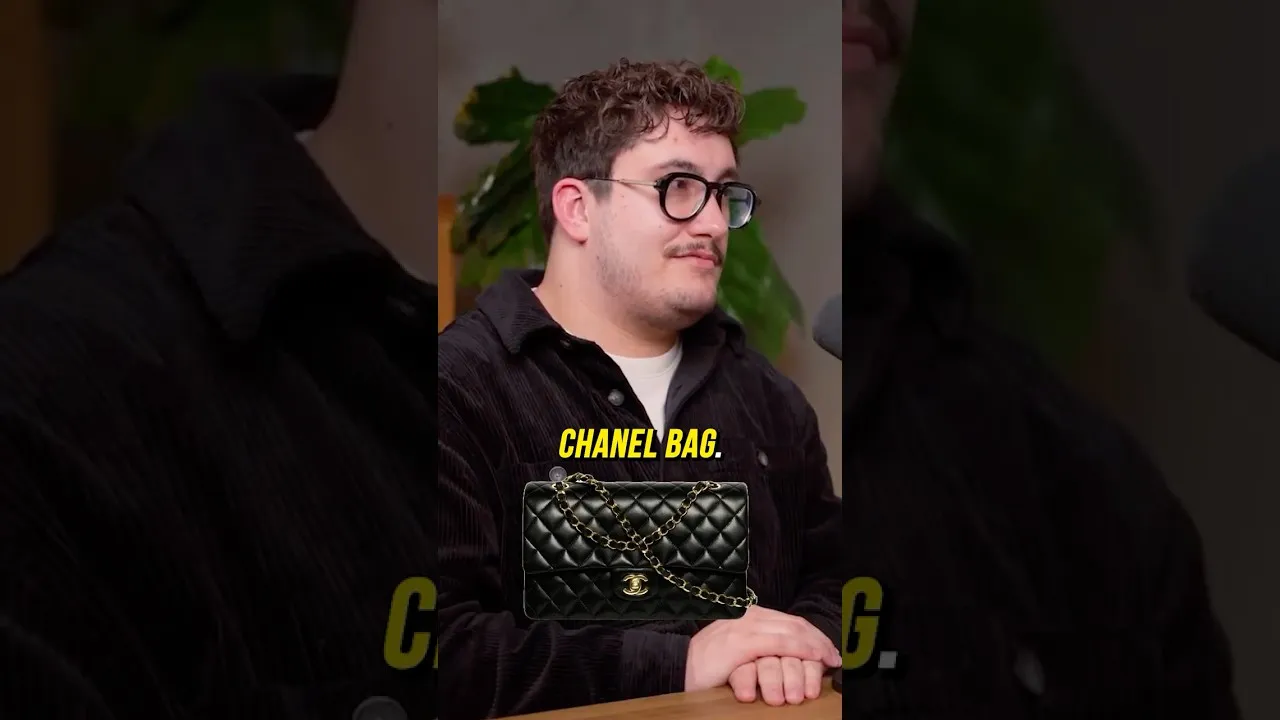
Luxury Gifts: A $10,000 Chanel Bag Sparks Debate
A recent discussion about an extravagant gift has brought luxury spending and its true value into the spotlight. One individual revealed he purchased a Chanel handbag for his girlfriend costing $10,000. This significant purchase was made to fulfill a lifelong dream for his partner, who has a deep passion for fashion.
The girlfriend’s reaction to receiving the coveted designer bag was highly emotional. She reportedly cried tears of joy upon seeing the $10,000 present. This moment highlighted the deep personal significance the bag held for her. It represented the fulfillment of a childhood aspiration.
The Question of Value and Alternatives
The conversation then turned to the practicality of such a high-priced item. A key question raised was why the more affordable replica version of the bag wasn’t considered. This perspective suggests that a similar-looking item could have achieved the same emotional impact at a fraction of the cost.
“Why would you still not buy a replica?” the questioner pressed, highlighting the significant price difference.
The argument for considering a replica centers on financial prudence, especially when the giver has experienced a highly profitable year. The idea is that the substantial savings, potentially around $9,500, could be allocated elsewhere. This could include investments, other experiences, or simply retaining the capital.
Understanding the Luxury Market
Gifts like a $10,000 Chanel bag fall into the category of luxury goods. These are items that are not essential for survival but are highly desired due to their brand name, craftsmanship, and perceived status. The price of luxury goods often includes factors beyond the material cost, such as brand prestige, design exclusivity, and marketing.
For some consumers, the appeal of a luxury item lies in its authenticity and the story behind the brand. The craftsmanship, the history, and the feeling of owning a genuine piece contribute to its perceived value. This is often why replicas, despite their visual similarity, do not hold the same appeal for dedicated enthusiasts.
Market Impact and Investor Considerations
While this specific gift is a personal choice, it touches upon broader economic trends. The luxury goods market, valued in the hundreds of billions globally, continues to grow. Factors driving this growth include increasing disposable incomes in certain regions, a desire for status symbols, and the influence of social media.
For investors, the luxury sector can present opportunities. Companies that successfully build strong brand loyalty and maintain exclusivity often see consistent demand for their products. However, the market can also be sensitive to economic downturns, as luxury spending is often one of the first areas consumers cut back on when budgets tighten.
What Investors Should Know
The debate over the $10,000 bag highlights a fundamental difference in how people perceive value. For the recipient, the bag’s value was tied to its authenticity and lifelong dream fulfillment. For others, the value might be more pragmatically assessed based on cost versus perceived benefit.
From an investor’s standpoint, understanding this duality is crucial. While a brand like Chanel commands high prices due to perceived value, its long-term success depends on maintaining that perception. This involves innovation, quality, and effective marketing that resonates with consumers willing to pay a premium.
The decision to spend $10,000 on a handbag, while personal, reflects a willingness among some consumers to allocate significant funds towards aspirational purchases. This consumer behavior underpins the resilience of the luxury market. However, economic conditions can significantly influence discretionary spending. Investors should monitor consumer confidence and economic indicators when considering companies in the luxury sector.
Ultimately, the true cost of a gift is subjective. It depends on the giver’s financial capacity, the recipient’s desires, and the emotional significance attached to the item. While replicas offer a cost-saving alternative, the allure of genuine luxury often lies beyond mere appearance.
Long-Term Implications
For the luxury industry, stories like this underscore the importance of brand equity and emotional connection. Consumers are not just buying a product; they are buying into a dream, a status, or a piece of art. Brands that can consistently deliver on this emotional promise are likely to maintain their market position.
For individuals, such discussions can prompt reflection on personal spending habits and financial goals. While celebrating loved ones with meaningful gifts is important, balancing these gestures with sound financial planning remains a key consideration for long-term well-being.
Source: I Bought My Girlfriend a $10,000 Bag (YouTube)