Twitter’s Creator Payouts Spark Debate Among Users
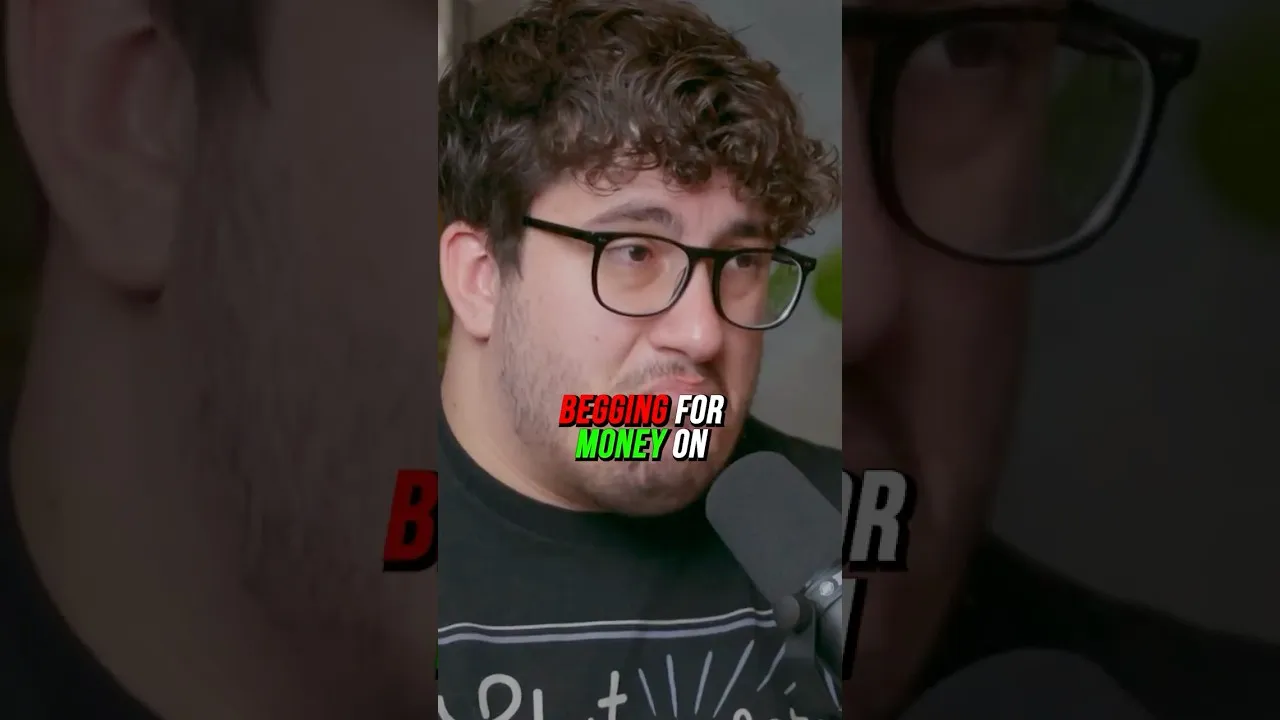
A recent discussion highlighting the financial realities for content creators on X, formerly Twitter, has brought the platform’s ad revenue sharing program into sharp focus. While the platform aims to incentivize creators, the reported payouts, such as a modest $43 to one user, raise questions about the program’s effectiveness and accessibility for a broad range of users.
Understanding Twitter’s Monetization Program
X’s monetization program allows eligible creators to earn a share of advertising revenue generated from their posts. To qualify, creators typically need to meet certain criteria, including a minimum number of followers and impressions. One creator mentioned needing 500 followers and 5 million impressions to be eligible for the program.
Impressions vs. Followers: The Key Metrics
The transcript reveals a key point of discussion: the metrics used for monetization. While follower count is a common indicator of reach, ‘impressions’ – the total number of times a post has been displayed – are also crucial for X’s ad revenue sharing. One user, with a substantial 2,200 followers, expressed confusion about their own monetization status, despite having achieved a significant number of impressions, stating, “I had 34 million impressions at one point.”
“I just reply to big accounts. And so, with the check mark, it boosts you up. So, people like, you know, you played the system.”
Strategies for Visibility and Engagement
The conversation touched upon strategies employed by users to increase their visibility and engagement, which in turn can lead to higher impressions. One creator explained their approach: “I just reply to big accounts. And so, with the check mark, it boosts you up.” This tactic leverages the platform’s algorithm, which tends to give more prominence to replies from verified accounts, thereby increasing the visibility of the engaging user’s content.
The Reality of Payouts: A Creator’s Perspective
Despite the potential for increased reach through strategic engagement, the actual financial returns remain a significant point of discussion. One user reported receiving a payout of $43, a sum that may not align with the expectations of creators investing considerable time and effort into content creation. This figure, when contrasted with the effort involved in generating millions of impressions, suggests a potential disconnect between platform engagement and creator compensation.
Navigating the Creator Economy
The creator economy, a burgeoning field where individuals monetize their content and influence, is complex. Platforms like X are attempting to capture a share of this economy by offering revenue-sharing models. However, the success of these models hinges on their ability to provide meaningful financial incentives that justify the creator’s investment. The reported $43 payout, while specific to one user’s experience, raises broader questions about the scalability and sustainability of X’s monetization efforts for its diverse user base.
Market Impact and Investor Considerations
For investors observing X (formerly Twitter) and the broader social media landscape, the dynamics of creator monetization are crucial. The platform’s ability to attract and retain top-tier creators directly impacts user engagement, advertising revenue, and ultimately, its valuation. If the monetization program is perceived as offering low returns or being difficult to access, it could hinder X’s growth potential and its competitive standing against other platforms that may offer more lucrative opportunities for creators.
Short-Term vs. Long-Term Implications
In the short term, low reported payouts could lead to creator dissatisfaction and a potential exodus to competing platforms. This could result in a decline in content quality and user activity on X. Long-term, if X can refine its monetization strategy to offer more substantial and consistent payouts, it could foster a more vibrant creator ecosystem, driving sustained user growth and advertising revenue. The success of this program will be a key factor in X’s ability to capitalize on the growing creator economy.
Sector Context: Social Media and Digital Advertising
X operates within the highly competitive social media and digital advertising sectors. Its peers, such as Meta (Facebook, Instagram), Google (YouTube), and TikTok, also engage in various forms of creator monetization. The effectiveness and transparency of X’s ad revenue sharing program will be benchmarked against these competitors. A program that demonstrably rewards creators for their efforts is essential for X to maintain its market share and attract investment.
What Investors Should Know
- Creator Retention is Key: The ability of X to retain creators by offering competitive compensation is vital for sustained platform growth and engagement.
- Monetization Program Efficacy: Investors should monitor the evolution of X’s ad revenue sharing program, including payout structures, eligibility criteria, and overall creator satisfaction.
- Competitive Landscape: X faces intense competition in attracting both users and advertisers from other social media giants. Its creator monetization strategy is a critical differentiator.
- Revenue Diversification: While advertising is a primary revenue stream, successful creator monetization can contribute to revenue diversification and platform stickiness.
The conversation around creator payouts on X underscores the ongoing challenges and opportunities within the digital creator economy. While the platform aims to empower creators, the reported financial outcomes suggest that further refinement of its monetization strategy may be necessary to foster a thriving ecosystem and achieve its long-term business objectives.
Source: How Much Money Twitter Pays (YouTube)