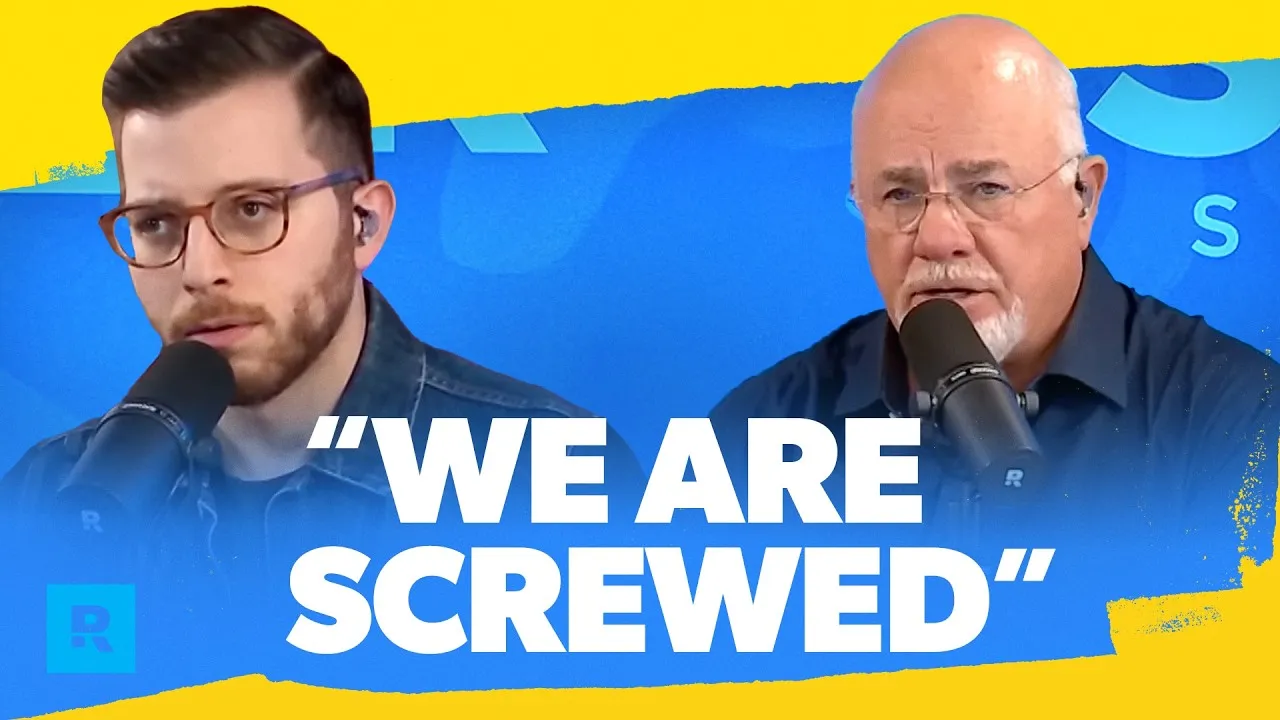
64-Year-Old Faces $230K Debt, Retirement Dreams Fade
A 64-year-old man, just one year from his planned retirement at age 65, is grappling with over $230,000 in debt. This significant financial burden raises serious questions about his ability to stop working as planned, despite a substantial savings nest egg. The situation highlights a common pitfall: accumulating debt can derail even well-laid retirement plans.
The individual, who has worked for 46 years and earns around $60,000 annually, faces a stark reality. His wife contributes another $30,000 per year, bringing their household income to roughly $90,000. However, their combined earnings have not been enough to outpace their spending and debt accumulation.
The Debt Mountain
The couple’s debt includes over $20,000 in credit card balances, $12,000 on a car loan, a primary mortgage of $118,000, and a second mortgage totaling $36,000. The credit card debt, in particular, has proven difficult to manage, often increasing despite ongoing payments.
This pattern of debt growth suggests a lack of consistent budgeting and financial communication within the household. The individual admits to a history of not setting financial boundaries, leading to spending that has outpaced their income.
Savings vs. Spending
While the couple has accumulated significant retirement savings – approximately $310,000 in a 401(k) and another $425,000 in IRAs (Roth and Traditional) – this does not provide enough to cover the $230,000 debt and fund retirement within the next year. The total savings of roughly $735,000 might seem substantial, but it is not sufficient to eliminate all debt and provide an income for two people who anticipate living on about half of their current $90,000 household income, which would be around $45,000 per year in retirement.
Experts point out that simply having savings is not enough; a clear plan for how to use those savings is crucial. The couple’s spending habits, which led to their current debt, would likely continue into retirement if not addressed. If they were to retire today, their current savings would not be enough to sustain their desired lifestyle without taking on more debt or drastically cutting expenses.
The Path Forward: A ‘Come to Jesus’ Meeting
Financial advisors emphasize that the core issue is not just the amount of income, but the lack of a budget and a shared financial plan. The couple needs to have a serious, unified discussion about their financial situation. This involves acknowledging the severity of their debt and making a firm commitment to change their spending habits.
The recommended approach involves drastic measures: cutting up credit cards, prioritizing debt repayment, and adopting a strict budget. The goal is to live on a reduced income, perhaps around $80,000 per year, while aggressively paying down debt. This disciplined approach is essential to avoid working into their 80s.
The advice given is direct: the couple must stop treating the symptoms of their financial problems and address the root cause – spending more than they earn. This requires both partners to be fully on board, with one spouse needing to firmly say “no” to further unnecessary spending.
Long-Term Implications and Hope
While the immediate goal of retiring at 65 with no debt seems unlikely given the current circumstances, the situation is not entirely hopeless. The couple has a window of opportunity to make significant changes over the next few years.
By implementing a strict budget and cutting expenses, they could potentially pay off all their debt and increase their retirement savings. For example, working an additional two to three years while living frugally could allow them to eliminate their debt and potentially grow their nest egg to around $500,000, providing a more secure financial footing for retirement.
The key takeaway is that financial security in retirement is not solely determined by age or accumulated savings, but by consistent financial discipline and a well-defined plan. The couple’s journey highlights the importance of addressing financial issues proactively and working together to achieve long-term goals.
“It’s not just about how much you make, it’s about having a plan for what you’ve got.”
The couple’s situation underscores the need for financial literacy and consistent budgeting, regardless of income level. The EveryDollar budgeting app is suggested as a tool to help individuals and families gain control of their finances.
Source: I'm 64, $230,000 In Debt, And Want To Retire Next Year (YouTube)