Universal Basic Income Hopes Clash with State Law
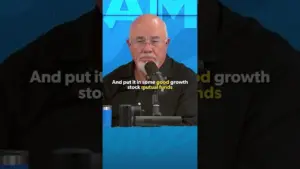
A recent viral exchange highlights a stark contrast between individual financial aspirations and the evolving legal landscape surrounding Universal Basic Income (UBI). One individual expressed a fervent hope that UBI would provide a pathway out of significant debt, reportedly amounting to $8,000. However, this expectation runs directly counter to a new law enacted in Arkansas, which Governor Sarah Huckabee Sanders has signed, explicitly prohibiting the implementation of UBI within the state.
The individual, facing substantial debt, articulated their reliance on UBI as a potential solution. When questioned about the feasibility of this expectation, particularly in light of the new Arkansas law, the response indicated a belief in a potential federal override or a future political shift that could bring UBI into effect. This sentiment suggests a disconnect between immediate legislative action and the broader, often federal-level, discussions and political movements advocating for UBI.
The Arkansas Law and Its Implications
The new legislation in Arkansas directly targets and bans the concept of Universal Basic Income. This move by the state government presents a significant barrier for any UBI initiatives within its borders. The law signifies a clear stance against the direct, unconditional cash transfer model that defines UBI, at least at the state level. This development is crucial for understanding the immediate viability of UBI programs in specific regions and how they interact with state-level policy decisions.
Federal Expectations and Political Realities
The reliance on a ‘federal override’ or a future presidential administration to implement UBI points to a common thread in UBI advocacy: the expectation that such a program would likely be enacted on a national scale. Figures like Andrew Yang, who previously ran on a UBI platform, are referenced as potential catalysts for such a federal shift. However, the political landscape is complex, and the path to federal UBI legislation is fraught with significant hurdles, including broad political consensus, economic feasibility studies, and potential constitutional challenges.
“I’m waiting on universal basic income to get me out of debt.”
â Individual quoted in a viral exchange.
The individual’s outlook, waiting for a federal intervention that could take years or even decades, raises concerns about their immediate financial situation. The commentary suggesting this wait might extend towards the end of their life, with statistical life expectancies in the 40s, underscores the urgency and potential desperation of their financial predicament. This highlights a critical aspect of the UBI debate: for those in dire financial straits, the promise of future relief, however distant or uncertain, can become a focal point.
Understanding Universal Basic Income (UBI)
Universal Basic Income is a social welfare proposal in which all citizens of a given population regularly receive a secure, unconditional sum of money from a government or public institution, independent of any other income. Proponents argue that UBI could reduce poverty and inequality, improve health outcomes, and provide a safety net in an era of increasing automation and job insecurity. Critics often raise concerns about the cost of implementation, potential disincentives to work, and inflationary pressures.
Market Impact and Investor Considerations
While the Arkansas law is a localized development, the broader conversation around UBI has potential implications for various sectors and the overall economy. If UBI were to be implemented on a large scale, it could significantly alter consumer spending patterns. Increased disposable income for a large segment of the population could boost demand for goods and services, particularly in consumer staples, retail, and leisure industries. Conversely, concerns about increased labor costs for businesses or potential inflation could impact sectors sensitive to these factors.
For investors, the UBI debate represents a long-term trend to monitor. While immediate federal action appears unlikely, ongoing pilot programs and political discussions worldwide indicate that UBI remains a significant topic in socio-economic policy. Investors might consider how demographic shifts, technological advancements (like automation), and evolving social safety nets could influence economic policy and consumer behavior in the future. The debate also touches upon the future of work and the potential need for new economic models to support populations facing job displacement or stagnant wages.
What Investors Should Know
- Consumer Spending: Widespread UBI could lead to increased consumer spending, benefiting sectors like retail, consumer goods, and services.
- Labor Markets: The impact on labor participation and wage demands is a key area of uncertainty that could affect businesses across industries.
- Government Policy: Changes in social welfare policies, including potential UBI implementation, could have broad economic consequences and influence investment strategies.
- Automation and AI: The growing discussion around UBI is often linked to concerns about job displacement due to automation, a trend that investors are already factoring into their assessments of various industries.
- Pilot Programs: Monitoring the results of UBI pilot programs globally can provide insights into potential economic and social effects.
The individual’s situation, while specific, reflects a broader societal anxiety about financial security and the perceived inadequacy of current systems. The clash between individual hope for UBI and state-level legislative opposition in Arkansas serves as a microcosm of the complex, multifaceted debate surrounding this potentially transformative social policy. As the conversation evolves, investors and policymakers alike will need to consider the diverse economic and social ramifications.
Source: Bro is Praying For Universal Basic Income (YouTube)