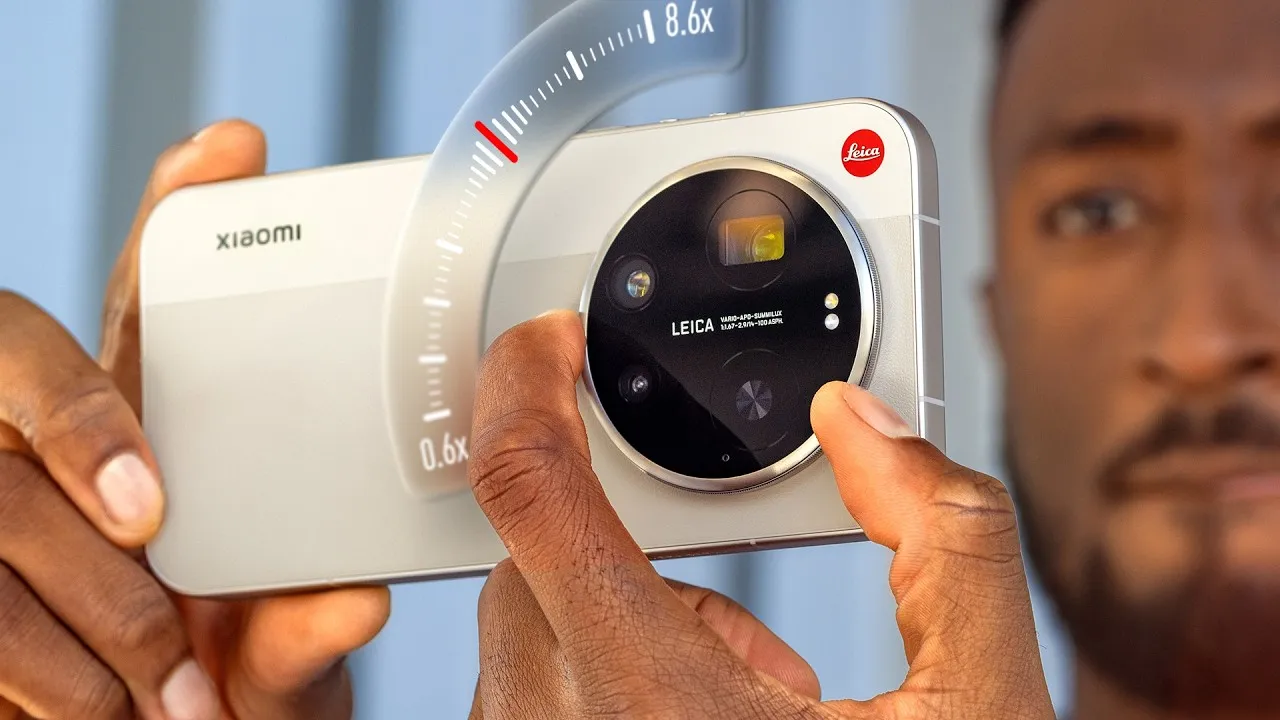
Xiaomi 17 Ultra Merges Phone and Leica Camera
In 2026, the line between smartphones and dedicated cameras continues to blur, with the new Xiaomi 17 Ultra Leica Edition pushing the boundaries further. This device is less a smartphone with a good camera and more a Leica camera that happens to have phone capabilities.
A Camera-First Unboxing Experience
From the moment you unbox the Xiaomi 17 Ultra, it’s clear this is a device designed for photography enthusiasts. The packaging heavily features the Leica logo, setting the tone for what’s inside. Beyond the phone itself, the accessories reinforce the camera-centric theme.
A custom case with built-in MagSafe magnets, also bearing the Leica logo, is included. Complementing this is an aluminum lens cap that attaches to the case, complete with an even larger Leica emblem.
A high-quality microfiber cleaning cloth and a wrist strap, designed to attach to the case like a camera lanyard, further enhance the premium, camera-like feel. This thoughtful accessory package alone suggests a significant investment in the user experience.
Design: A Nod to Photography
While last year’s Xiaomi 17 Pro models bore a resemblance to their iPhone counterparts, the 17 Ultra takes a distinct design path. The phone features a unique cream colorway with a subtle two-tone finish: the bottom two-thirds have a textured surface, while the top third is smooth. The buttons are notably clicky, with circular volume buttons featuring plus and minus indicators, a design reminiscent of early 2010s smartphones.
However, the most striking design element is the horizontal branding on the rear, emphasizing its camera identity. The Leica logo is prominent, appearing on the camera plateau and the side of the phone, which also features a knurled texture for enhanced grip. This emphasis on Leica branding is even more pronounced than Xiaomi’s own name on the device.
The large camera plateau is encircled by a textured metal ring that, remarkably, moves. This dynamic ring is a key feature, adding a tactile element to the camera controls.
Camera Hardware: Impressive Specifications
The Xiaomi 17 Ultra boasts a triple-camera system on the rear, comprising a main camera, an ultrawide lens, and a telephoto lens, each with impressive specifications:
- Main Camera: A massive 1-inch sensor with 50 megapixels and an f/1.67 aperture, offering exceptional detail and light-gathering capabilities.
- Ultrawide Camera: A 50-megapixel sensor with a 14mm equivalent lens and an f/2.2 aperture, providing a broad field of view.
- Telephoto Camera: A 200-megapixel sensor that features a real variable focal length, smoothly zooming from a 75mm equivalent to a 100mm equivalent, with apertures ranging from f/2.39 to f/2.96.
Shooting Experience: Fun and Functional
While the Xiaomi 17 Ultra may not claim the absolute top spot for raw image quality compared to some highly specialized camera phones, it offers an unparalleled shooting experience. The reviewer highlights that the camera is incredibly fun to use, a sentiment that often gets lost in the pursuit of technical perfection.
The large sensor provides ample detail and a pleasing shallow depth of field, while autofocus is quick and reliable. The phone also retains Xiaomi’s signature skin tone brightening, which is a familiar characteristic for users of the brand.
Video capabilities are equally impressive, with the ability to shoot high-quality 8K video with ease. While the built-in microphones are noted as less than ideal, the ease of using an external microphone with the device solves this limitation.
Leica Integration: Beyond Filters
The partnership with Leica goes beyond mere branding. The camera app offers distinct Leica profiles: Vibrant and Authentic. These are not simply post-processing filters but are integrated into the capture process, meaning they cannot be undone.
The ‘Authentic’ profile, for instance, emulates the M9’s daylight white balance, contrast, and color profile, resulting in a sharp yet less processed, more organic look. The ‘Essential’ mode offers a monochrome experience, emulating the Leica Monochrom M11 with its contrast, reduced dynamic range, and characteristic grain.
These modes provide a way to achieve distinct artistic looks directly from the camera, offering a taste of a dedicated Leica experience in a pocketable device.
The Dynamic Camera Ring
The moving ring around the camera plateau is a standout feature. It rotates fluidly and provides satisfying haptic feedback, simulating a notched ring. This ring serves multiple functions:
- Camera Shortcut: A quick twist can launch the camera app.
- Zoom Control: In photo mode, rotating the ring allows for smooth zooming.
- Exposure Adjustment: In video mode, the ring defaults to controlling exposure value.
The ring is highly customizable through the camera settings. Users can map it to control manual focus, shutter speed, or Kelvin white balance values in Pro mode, offering a physical control similar to, but more flexible than, iPhone’s camera control features.
Under the Hood: Flagship Performance
Despite its camera-first design, the Xiaomi 17 Ultra doesn’t compromise on core smartphone performance. It’s powered by a Snapdragon 8 Elite Gen 5 processor, paired with LPDDR5X RAM and UFS 4.1 storage, ensuring smooth operation for all tasks. The device features a large 6.9-inch flat 120Hz display with a peak brightness of 3,500 nits.
Powering the device is a 6,800 mAh silicon carbon battery, supporting 90W wired and 50W wireless charging. Impressively, it retains an IP69 dust and water resistance rating, even with the moving camera ring.
The phone runs HyperOS 3 on top of Android 16, offering a familiar yet updated software experience.
Flaws and Considerations
No device is perfect, and the Xiaomi 17 Ultra has a few drawbacks. The camera ring, while innovative, can be somewhat awkward to use in practice.
Accidental finger placement can occur when zooming, and the ring can be easily triggered unintentionally, leading to accidental camera launches. The variable zoom, while technically impressive, offers a limited range (75-100mm equivalent), meaning users might achieve similar results by simply taking a few steps closer.
A more significant usability issue is the camera app’s tendency to revert to 12-megapixel binned photos upon reopening, even if the user had selected 50-megapixel or 200-megapixel settings previously. While common in many smartphones to save storage, it’s a point of friction for a device positioning itself as a serious camera alternative.
Why This Matters
The Xiaomi 17 Ultra represents a bold step in the evolution of smartphone photography. It moves beyond incremental improvements, offering a deeply integrated and customizable camera experience that rivals dedicated devices. The Leica partnership, coupled with innovative hardware like the dynamic camera ring and advanced sensor technology, provides a unique and engaging way to capture photos and videos.
It democratizes access to specialized photographic styles and controls, making them available to a wider audience. For those who prioritize the camera experience above all else in their smartphone, the 17 Ultra offers a compelling, if not perfect, solution, embodying the adage that the best camera is the one you have with you.
Source: Xiaomi 17 Ultra – More Camera than Phone! (YouTube)