OpenClaw Unleashed: The AI Assistant Automating Your Life
In the rapidly evolving landscape of artificial intelligence, a new contender has emerged, capturing the attention of developers and tech enthusiasts alike. OpenClaw, initially known by less fortunate monikers like Claudebot and Moltbot, is a groundbreaking open-source project that promises to move AI beyond the confines of chat interfaces and into tangible, real-world actions. Available 24/7 without needing a coffee break, this AI assistant boasts an impressive memory and the ability to interact through popular messaging platforms like Telegram and WhatsApp, aiming to automate significant aspects of a user’s digital life.
The buzz surrounding OpenClaw has been palpable. In a remarkably short period, the project garnered over 65,000 stars on GitHub, proof of its immediate impact and appeal.
This surge in interest has even led to unexpected consequences, such as a reported sell-out of Mac Minis, as users sought the hardware to run this powerful new tool. The rapid adoption highlights a strong demand for AI solutions that offer practical, everyday utility.
The Genesis of OpenClaw and a Name Change Saga
OpenClaw is the brainchild of Peter Steinberger, the founder of the developer tools company PSDFKit. Steinberger, described as having an almost obsessive dedication to software development, has emerged from retirement to deliver this ambitious project.
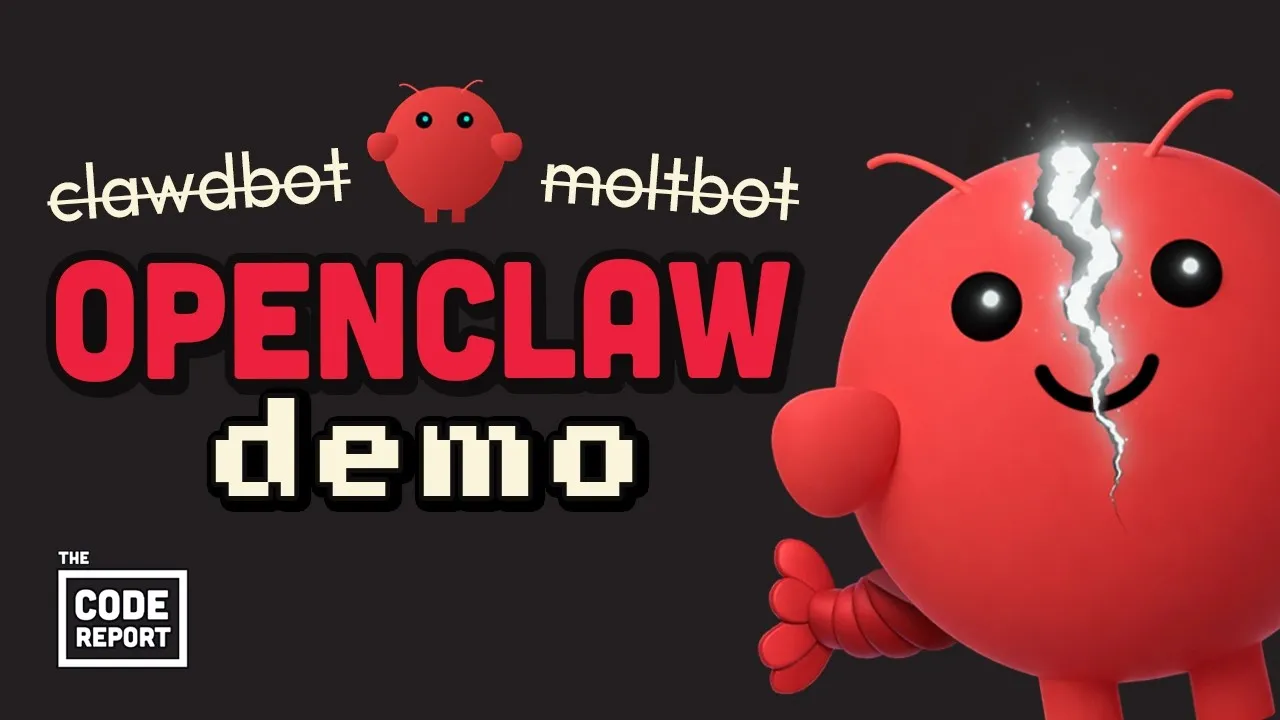
Initially released as ‘Claudebot,’ the project soon found itself in a naming dispute with Anthropic, the creators of the AI model Claude. Citing potential confusion and brand dilution, Anthropic reportedly issued a cease and desist, prompting a swift change to ‘Moltbot.’ However, this name also proved short-lived, leading to the final adoption of ‘OpenClaw’—a name that, according to its creator, reflects its open-source nature and powerful capabilities, albeit with a somewhat quirky, crustacean-inspired identity.
Under the Hood: How OpenClaw Works
Fundamentally, OpenClaw is a sophisticated wrapper built using TypeScript. It ingeniously integrates with powerful large language models (LLMs) such as Anthropic’s Claude and OpenAI’s GPT-5, allowing users to leverage these advanced AI capabilities for a wide array of tasks.
The real innovation lies in its persistent operation and its ability to execute actions. Unlike standard chatbots that respond to single prompts, OpenClaw is designed to run continuously, manage complex workflows, and interact with external services.
The flexibility of OpenClaw is a key selling point. It is designed to be self-hosted, meaning users can run it on their own infrastructure, from a modest Raspberry Pi to a more powerful Mac Mini or a virtual private server (VPS). This self-hosting capability addresses concerns about data privacy and avoids recurring subscription fees often associated with cloud-based AI services, offering a cost-effective alternative for users who want full control over their AI deployments.
Setting Up and Deploying OpenClaw
The installation process for OpenClaw is designed to be straightforward, typically involving a single command, with Linux being the recommended operating system. Once installed, users interact with the assistant via a command-line interface (CLI) or through the web-based dashboard. The setup involves several key steps:
- AI Model Integration: Users need to connect OpenClaw to an AI model provider. This can be done by providing API keys for services like Anthropic’s Claude or OpenAI’s GPT-5. For those prioritizing cost or open-source principles, the system also supports integration with free, open-source LLMs.
- Messenger App Connection: To enable real-time interaction and notifications, OpenClaw supports integration with various messaging platforms, including Telegram, Slack, WhatsApp, and Discord. Setting up a connection, for instance, with Telegram involves using the ‘BotFather’ to create a new bot and obtain an API token, which is then securely provided to OpenClaw.
- Skill Configuration: OpenClaw comes with a set of built-in ‘skills’—pre-defined functions that enable it to perform specific tasks. Users can expand its capabilities through a community-driven platform called ‘MoltHub,’ which hosts a variety of custom skills, or by developing their own.
- Hook Setup: The ‘hooks’ feature allows OpenClaw to tap into different events within its operational lifecycle. This is crucial for maintaining context across sessions, enabling memory recall, and triggering automated follow-up actions based on important events.
Real-World Automation in Action
Once configured, OpenClaw’s potential becomes evident. Users can personalize their assistant’s persona through chat interactions, setting specific behaviors and tones. The true power, however, lies in its ability to build and execute automations directly.
For example, a user could ask OpenClaw to monitor their stock market investments. The AI can then not only fetch the current data but also set up ongoing monitoring, sending alerts via the connected messenger app when significant price movements occur. This eliminates the need for manual checking and provides proactive financial insights.
Beyond financial tracking, OpenClaw can manage calendars, sort emails, execute custom scripts, and even assist in software development tasks like deploying code. The system’s ability to learn and adapt through conversational refinement and its expandable skill set suggest a future where AI assistants can handle increasingly complex and personalized workflows.
Why This Matters
OpenClaw represents a significant step towards making advanced AI tools accessible and practical for everyday users and developers. By offering a self-hostable, open-source solution, it democratizes access to powerful automation capabilities that were previously restricted to enterprise-level solutions or required significant technical expertise. The project challenges the prevailing trend of proprietary, cloud-dependent AI services by providing a transparent, customizable, and potentially more private alternative.
The demand for such tools underscores a growing desire for AI that integrates seamlessly into existing workflows and provides tangible benefits. OpenClaw’s success signals a shift towards AI assistants that are not just conversational partners but active agents capable of performing real-world tasks, managing information, and driving productivity. This could fundamentally alter how individuals and small businesses interact with technology, leading to increased efficiency and new possibilities for automation.
The Competitive Landscape
The AI assistant market is heating up, with companies like Tracer offering complementary solutions. Tracer, for instance, provides an agent orchestration layer designed to enhance the capabilities of coding agents.
Its ‘epic mode’ helps in breaking down large projects into manageable tasks and tracking their progress, working in conjunction with AI agents to ensure efficient development workflows. While OpenClaw focuses on broad personal and task automation, tools like Tracer specialize in optimizing specific professional domains, highlighting a diverse and rapidly expanding ecosystem of AI-powered productivity tools.
Source: The wild rise of OpenClaw… (YouTube)