Unlock the Potential of AI: Choosing the Right Tool for the Job
In today’s rapidly evolving AI landscape, understanding which tool to use for specific tasks can significantly boost your productivity. This guide will help you differentiate between three of the most powerful AI models: ChatGPT, Google Gemini, and Anthropic’s Claude. By understanding their unique strengths, you can leverage each AI to its fullest potential, from initial ideation to final polishing.
What You’ll Learn
This article will break down the core capabilities of ChatGPT, Gemini, and Claude, highlighting their distinct superpowers. You will learn:
- When ChatGPT excels due to its obedience and meticulous instruction following.
- How Gemini’s multimodal capabilities allow it to process and synthesize diverse data types like video, audio, images, and text.
- Why Claude is the go-to for high-quality first drafts, especially in coding and content refinement, and its ability to mimic your writing style.
- A practical workflow for combining these tools to optimize your creative and professional processes.
Prerequisites
- Access to ChatGPT, Google Gemini, and Anthropic Claude (accounts may be required).
- Basic understanding of AI language models.
Step-by-Step Guide to Using AI Tools Effectively
Step 1: Leverage ChatGPT for Meticulous Instruction Following
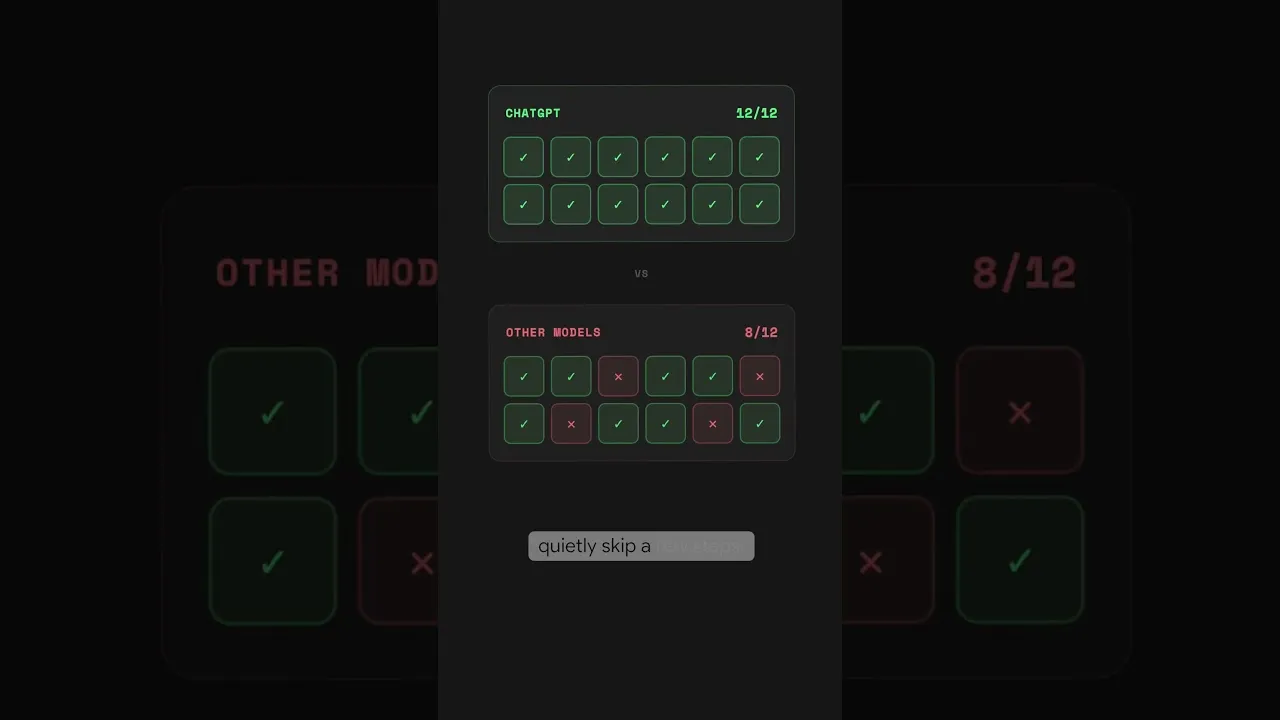
ChatGPT’s primary strength lies in its unparalleled obedience. When you provide it with a detailed checklist or a complex set of requirements, ChatGPT is exceptionally good at adhering to every single instruction.
While other AI models might possess comparable intelligence, they can sometimes overlook or slightly deviate from lengthy or intricate instructions. ChatGPT, however, is designed to follow your directives precisely.
When to use ChatGPT:
- Generating content based on a strict set of criteria.
- Creating structured outlines or reports that require specific sections and formatting.
- Tasks where accuracy and adherence to detailed specifications are paramount.
- When you need an AI to act as a diligent assistant, ensuring no step is missed.
Expert Tip: For best results with ChatGPT, break down complex tasks into smaller, sequential steps within your prompt. Clearly number your requirements or use bullet points to make them easy to follow.
Step 2: Harness Gemini for Multimodal Understanding
Google Gemini stands out with its powerful multimodal capabilities. It can natively process and understand a variety of data formats simultaneously, including video, audio, images, and text. This makes Gemini uniquely suited for tasks that involve synthesizing information from disparate sources.
When to use Gemini:
- Analyzing video content for key themes or summaries.
- Processing audio recordings, such as interviews or lectures, to extract information.
- Interpreting images, including diagrams, charts, or photographs, and relating them to text.
- Synthesizing information from a combination of sources, like a video presentation, a related slide deck, and notes taken from a whiteboard session.
- When your project requires an AI to understand and connect different types of media.
Warning: While Gemini can handle multiple modalities, the complexity of the input can affect processing time and the depth of analysis. Ensure your inputs are clear and well-defined.
Step 3: Utilize Claude for Superior First Drafts and Polishing
Anthropic’s Claude excels in producing high-quality first drafts, particularly in creative writing and coding. Its initial output is often much closer to the final desired product than what other models might provide. Claude demonstrates an impressive ability to replicate your specific writing tone and style.
When to use Claude:
- Drafting blog posts, articles, or marketing copy where a specific voice is important.
- Writing or refining code, where clarity and efficiency are key.
- Polishing existing content to improve flow, grammar, and style.
- When you need an AI to match your unique writing style. Share examples of your work, and Claude can learn to emulate it.
Expert Tip: To help Claude perfectly replicate your tone, provide it with several examples of your writing. The more context you give, the better it will understand and adopt your style.
Step 4: Integrate the Tools for an Optimized Workflow
The most effective way to use these AI tools is often by combining their strengths in a sequential workflow. A common and powerful approach involves using ChatGPT and Gemini for the initial stages of a project, and then employing Claude for the final refinement.
Example Workflow:
- Ideation and Research (ChatGPT/Gemini): Use ChatGPT to brainstorm ideas based on specific criteria or Gemini to research topics by synthesizing information from various online sources, including text, images, or even video summaries.
- Initial Drafting (ChatGPT/Gemini): Draft initial content or code using ChatGPT for its instruction-following capabilities or Gemini if the task involves integrating multimodal data.
- Refinement and Polishing (Claude): Once you have a rough draft, hand it over to Claude. Provide examples of your desired tone and style. Claude will then work on turning that draft into a polished, near-final piece, excelling at code optimization and copy editing.
By strategically employing ChatGPT for obedience, Gemini for multimodal processing, and Claude for high-quality first drafts and style matching, you can dramatically enhance your efficiency and the quality of your output.
Source: When to use #ChatGPT, #Gemini, and #Claude (YouTube)