Deepfake Scammers Exploit Urgency: How to Spot Them
At a time when artificial intelligence can generate increasingly convincing synthetic media, a new wave of scams is emerging, leveraging the power of deepfakes to create a sense of extreme urgency and panic in potential victims. These scams often mimic the voice or likeness of loved ones, demanding immediate action and financial transfers, preying on our emotional responses and natural desire to help family.
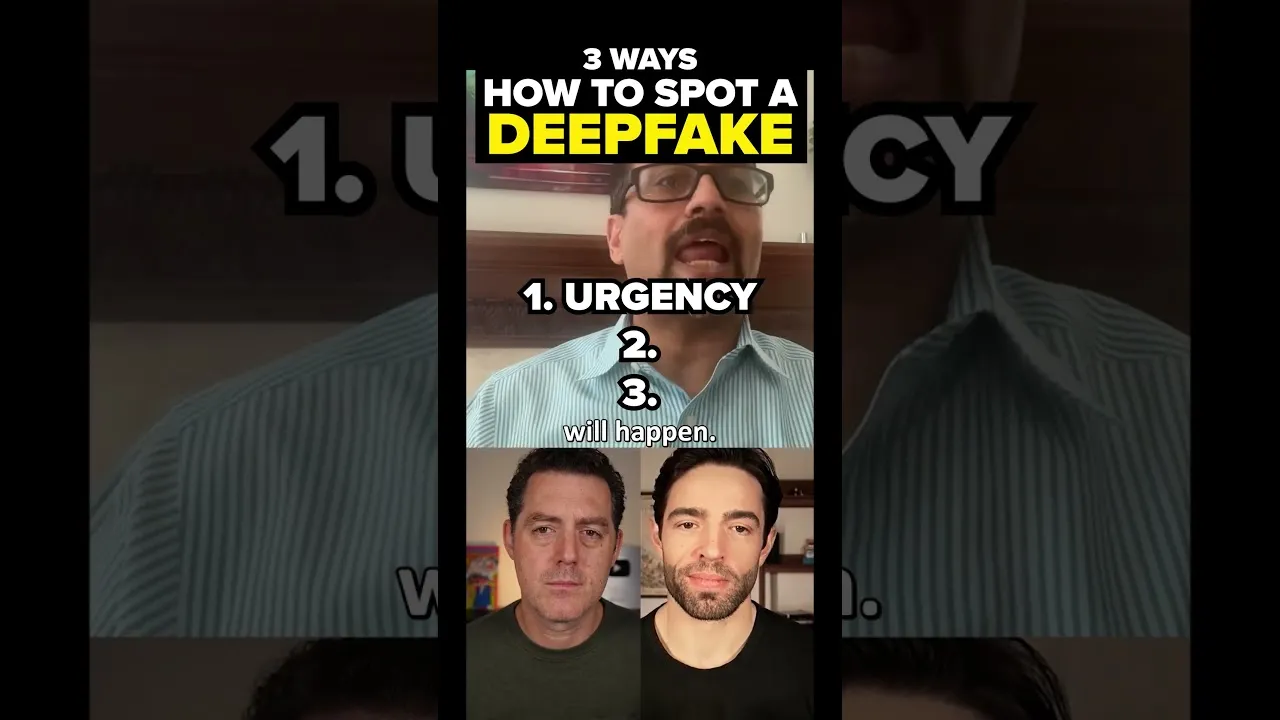
The core tactic employed by these sophisticated scammers is to create a situation that requires instant decision-making, leaving little to no room for critical thinking or verification. This urgency is a deliberate psychological manipulation designed to bypass rational thought processes. “Crazy urgency where I’m asking to wire the money immediately or do something immediately.
Don’t fall for it. They’re trying to get you to act in the moment,” explains one expert observing these trends.
The Urgency Playbook
Attackers are highly adept at crafting narratives that paint a dire picture, often involving emergencies like accidents, arrests, or critical medical situations. The goal is to elicit an immediate emotional response – fear, concern, or panic – which then drives the victim to comply with the scammer’s demands without question. The pressure to act quickly is paramount to the scam’s success.
As noted, attackers often insist, “No, no, don’t get off the phone. You have to do this right now or it won’t uh you know, something really, really bad will happen.”
Developing Safeguards: The Secret Word
One of the most effective countermeasures against these types of scams is the implementation of a pre-arranged security measure, such as a “secret word” or passphrase. This strategy involves family members agreeing on a unique, memorable word or phrase that can only be known by them. When a suspicious call comes in, especially one demanding urgent action or money, the recipient can ask for this secret word.
“My parents are trained right now to ask for Okay, so if this is that urgent a situation, we’ve talked about a secret word between us. What’s that secret word?” This simple question acts as an immediate litmus test.
If the caller is unfamiliar with the passphrase, it’s a strong indicator that they are not who they claim to be. Scammers caught off guard by this question will often become flustered, try to dismiss it as unimportant, or even become aggressive, further raising suspicion.
The Power of Verification
Beyond the secret word, the most crucial defense is the simple act of hanging up and calling back. If a situation feels off, or if the caller is pressuring you to act without verification, disconnecting the call and contacting the person directly through a known, trusted number is essential. This allows you to bypass the scammer entirely and confirm the legitimacy of the situation.
“If you can’t make a determination, always hang up the phone and call back,” is a widely recommended piece of advice. This strategy circumvents the immediate threat and provides an opportunity for genuine communication.
The key takeaway is to resist the impulse to act impulsively. “If you don’t stop and think, that’s when bad things happen.” Taking a moment to pause, question, and verify can prevent devastating financial losses and emotional distress.
Why This Matters
The proliferation of deepfake technology means that voice and video manipulation are becoming more accessible and sophisticated. Scammers are no longer limited to text-based phishing or voice modulation; they can now create highly convincing audio impersonations that sound remarkably like a familiar person in distress. This elevates the stakes significantly, making these scams particularly insidious.
The emotional manipulation inherent in these deepfake scams is what makes them so dangerous. They exploit our deepest fears and our natural instincts to protect our loved ones.
By creating a false sense of emergency, scammers aim to bypass our critical thinking and exploit our empathy. The simple, yet powerful, countermeasures – establishing secret words and prioritizing verification through direct, independent contact – are vital tools for individuals and families to protect themselves in this evolving threat landscape.
As AI continues to advance, the methods used by malicious actors will undoubtedly become more sophisticated. Staying informed about these tactics and implementing robust personal security protocols are crucial steps in navigating the digital world safely. The ability to pause, question, and verify remains the most potent defense against AI-powered deception.
Source: Three ways to spot a deepfake (YouTube)