Daughter Confronts Over $40,000 in Student Loan Debt Due to Mother’s Actions
A distressing situation has come to light involving a young woman who is now burdened with over $40,000 in student loan debt, a significant portion of which she claims was taken out fraudulently by her own mother. This predicament highlights the complex and sometimes predatory nature of the student loan system, leaving the individual facing difficult choices with potentially severe financial and personal repercussions.
The Unwanted Financial Burden
The core of the issue revolves around two separate student loans, totaling just over $21,000. While the daughter acknowledges signing for the first $20,000 loan, albeit with reservations and against her better judgment, she maintains that the second loan of over $21,000 was taken out entirely without her knowledge or consent. She alleges that her mother forged her signature on the documents for this second loan.
“The second one is what has me upset and angry and confused. And so that total is just over 21,000.”
Navigating Identity Theft and Fraud
Financial experts suggest two primary, albeit unpleasant, paths forward for the daughter. The first involves formally reporting the second loan as a case of identity theft.
This would require the daughter to contact the loan servicing company, declare that her identity was stolen, and initiate a process that would necessitate filing a police report. Such a report would officially identify her mother as the perpetrator, potentially leading to legal consequences for financial fraud and identity theft.
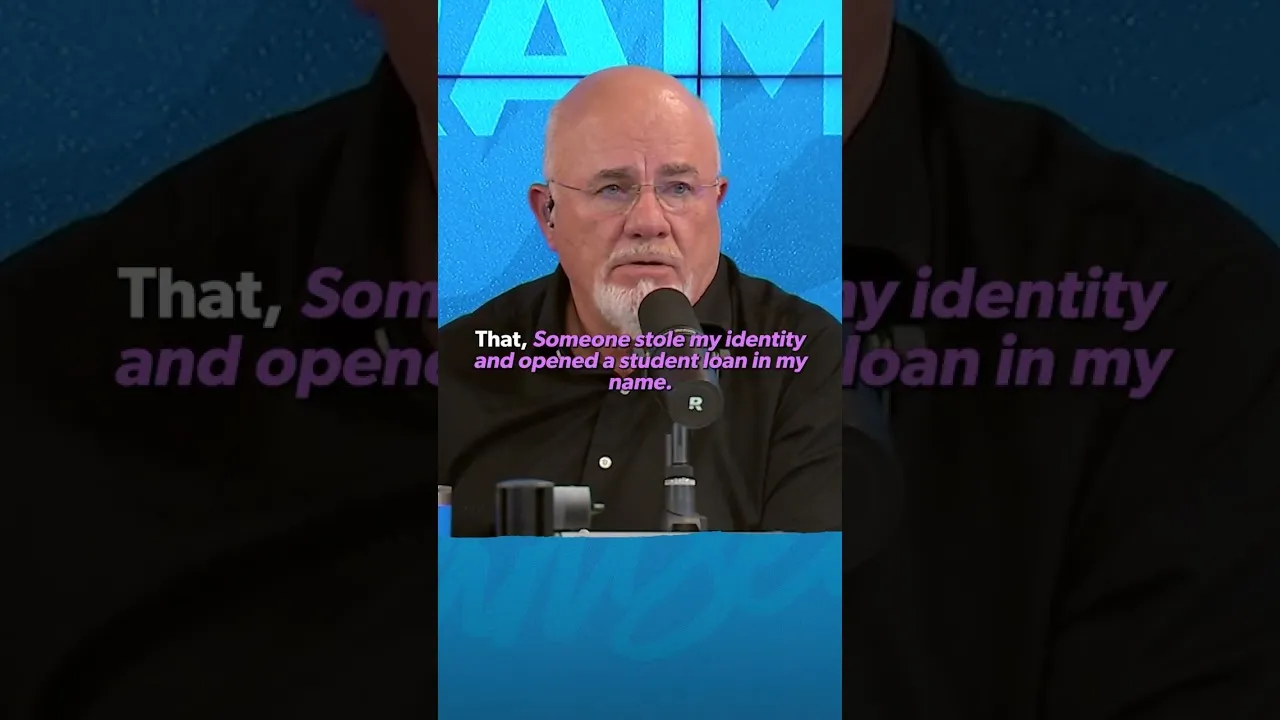
This option, while offering a potential route to absolve herself of the debt, comes with the immense personal cost of implicating and potentially prosecuting her own mother. The transcript explicitly states the gravity of this situation: “That someone stole my identity and opened a student loan in my name and that someone happens to sadly be my mother… You got to put her in that bucket and then file a police report.”
The Stark Alternative: Accept and Pay
The second option presented is starkly simple yet financially devastating: “Shut up and pay it.” This path means accepting responsibility for the fraudulent loan and making the monthly payments, effectively absorbing the $21,000+ debt. This choice avoids legal action against her mother but places the entire financial burden squarely on the daughter’s shoulders.
The transcript grimly acknowledges the lack of desirable outcomes: “So, there’s two options and neither one of them are pretty. I’m sorry.”
The Student Loan System Under Scrutiny
This incident also brings into sharp focus the vulnerabilities within the student loan system. The ease with which loans can allegedly be secured, even with questionable signatures, raises concerns about oversight and consumer protection.
The narrative suggests a system that can be exploited, leaving individuals, particularly young adults, susceptible to financial ruin orchestrated by those closest to them. The speaker laments, “I’m sorry, but this is what happens, you know, with this ridiculous student loan program that we have now.”
Investor and Market Context
While this specific case involves familial fraud, it underscores broader concerns about the student loan market. The total student loan debt in the United States exceeds $1.7 trillion, making it the second-largest category of household debt after mortgages. Major players in this market include the federal government, which holds the vast majority of student loans, as well as private lenders and loan servicers.
Companies involved in student loan servicing, securitization, and financing are integral parts of the financial ecosystem. Events like these, though stemming from individual circumstances, can contribute to a climate of distrust and scrutiny surrounding financial institutions and lending practices.
For investors, understanding the regulatory environment, default rates, and the financial health of loan servicers and originators is crucial. The potential for fraud, while not systemic to the market itself, highlights risks associated with weaker underwriting standards or inadequate fraud detection mechanisms.
What Investors Should Know
This case, while personal, touches upon broader issues relevant to financial markets and consumer finance. Investors in companies involved in student loan origination, servicing, or securitization should be aware of the regulatory landscape and potential risks associated with consumer protection. While the student loan market is vast and largely stable due to federal backing for most loans, instances of fraud and identity theft, even if isolated, can lead to increased regulatory scrutiny.
This could potentially impact compliance costs or necessitate stricter underwriting and verification processes for lenders. The sheer volume of student debt ($1.7 trillion) means that any significant shifts in repayment policies, forgiveness programs, or regulatory enforcement can have ripple effects across the financial sector. Understanding the operational integrity and risk management practices of companies operating within this space is paramount for prudent investment decisions.
Long-Term Implications
The long-term implications for the individual are profound, involving potential years of debt repayment, damaged family relationships, and the emotional toll of navigating such a complex and upsetting situation. For the broader market, such incidents serve as cautionary tales, potentially influencing future regulatory reforms aimed at strengthening consumer protections within the student loan industry. They also highlight the importance of financial literacy and due diligence, even when dealing with trusted individuals.
Source: Her Mom Took Out Student Loans in Her Name for Someone Else (YouTube)