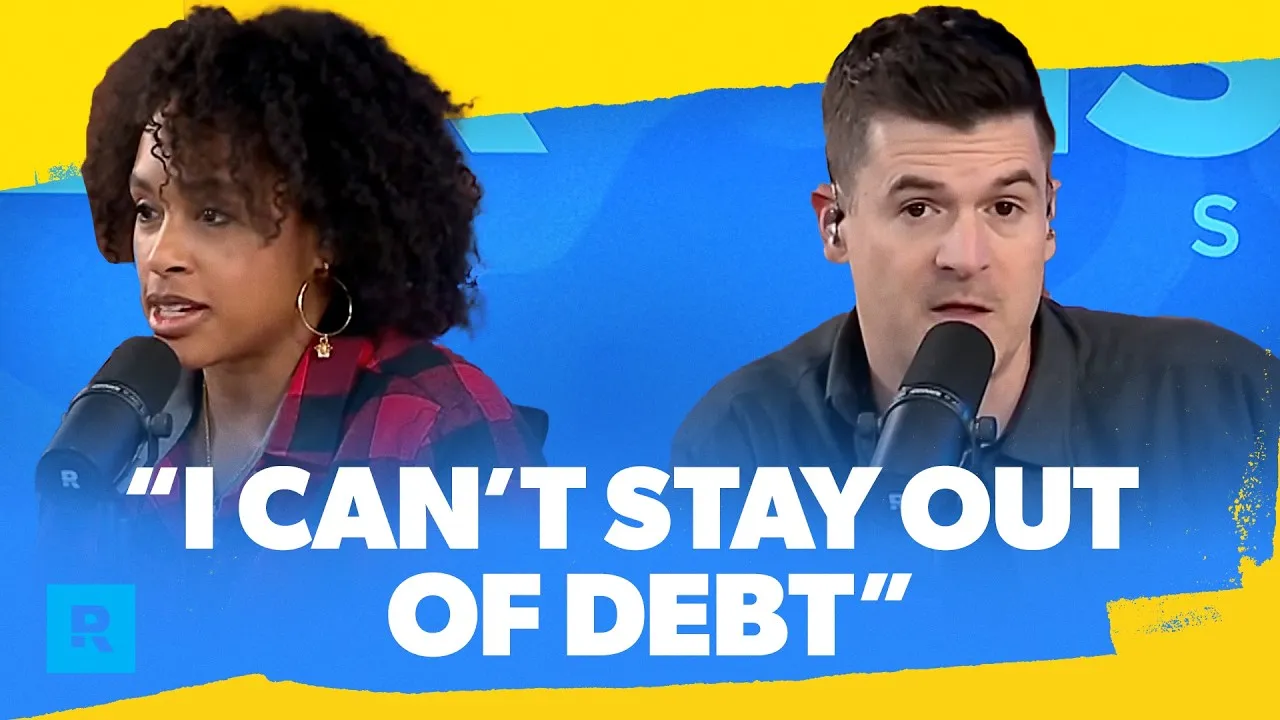
Consumer Debt Crisis Unveiled: A Personal Battle with Addiction and Finances
In a candid discussion on financial recovery, a man earning a substantial $90,000 annually revealed how his struggle with alcohol consumption has directly led to a persistent $10,000 credit card debt. The individual, who wishes to remain anonymous, shared his frustration of making payments only to see the balance rebound due to spending influenced by his drinking habits. This situation highlights a critical intersection of personal well-being and financial health, where addiction can act as a significant barrier to achieving financial stability.
The Cycle of Debt and Addiction
The core of the individual’s financial predicament lies in a cyclical pattern driven by his drinking. “I have about $10,000 in credit card debt,” he stated. “I keep making payments on it and it ends up going right back up to $10,000, uh, due to my drinking.” This admission underscores how discretionary spending, often fueled by addiction, can derail even promising financial situations, especially when credit cards are readily available.
Seeking a path forward, the individual is re-engaging with support systems. “I’m getting back into the AA programs and uh church programs,” he explained.
This proactive step towards addressing the root cause of his financial struggles is crucial. When asked about his commitment to recovery, he affirmed, “Yes, I am.”
Financial Fears and Credit Card Reliance
A key point of contention in his financial plan was the idea of cutting up his credit cards. While he acknowledged the necessity, he expressed reservations rooted in practical concerns.
“I have a little bit of nerves about it when it comes to emergencies and things like that,” he admitted. He specifically cited the upcoming need to replace his truck’s tires as a situation where he felt a credit card would be essential.
Financial experts often advise eliminating credit cards to break debt cycles, but the fear of lacking an emergency fund or a safety net can be a significant hurdle. The individual’s reliance on credit for anticipated expenses, like vehicle maintenance, illustrates a common challenge for those trying to transition away from debt-funded spending.
The Role of Support and Commitment
The conversation drew a parallel between financial recovery and addiction recovery. “What would they tell you if you went into AA and they said, ‘Are you ready?’ And you said, ‘Yes, except I still need to hang out with these guys. I still need to go to this bar once a week…’ Would they have any confidence that you were going to be able to change?” This rhetorical question emphasizes that partial commitment or maintaining behaviors that enable the problem will likely lead to failure.
The advice given was direct: “As long as you keep this backup plan on you at all times 24/7 365 the chances of you using this backup plan are 100%.” This highlights the need for a decisive break from the tools that facilitate debt accumulation. The path forward, as presented, requires an “all-in” mentality, akin to a full commitment to sobriety. “The path forward is really say never again,” was the strong directive.
Income and Budgeting: A Foundation for Change
The individual’s financial situation is strengthened by a strong income. He recently started a new job three months prior, earning $75,000 base salary plus commission, and receives a $1,500 monthly car allowance.
This brings his effective annual compensation closer to $90,000. After taxes and deductions, he brings home approximately $5,000 per month.
However, despite this significant income, he described living in a “paycheck to paycheck cycle.” This indicates a lack of budgeting and financial planning, allowing money to disappear without clear allocation. The immediate goal is to implement a budget, like the one offered by the Every Dollar app, to track his income and expenses effectively.
Navigating Life Changes: Engagement and Cohabitation
Adding another layer of complexity, the individual is engaged and planning to move in with his fiancée in May. He expressed concern that this move might be jeopardized by his financial situation and recovery efforts. The advice provided was to postpone accelerating this life change until he has a firmer grasp on his personal and financial recovery.
“Adding a whole other person to this right now and moving in together… Feels like not the right move at this point in time, right? You’ve got a lot on your plate,” was the candid assessment.
The analogy used was, “It’s like holding matches over an open flame and deciding, you know what? I’m going to pick up a gas can, too.” The recommendation is to focus on personal stability first, allowing him to build a strong foundation before anchoring into a shared life.
Addressing Immediate Needs: Tires and Car Payment
The concern about truck tires was addressed by leveraging his existing car allowance. “Why can’t we use that for tires?
Can you get tires for $1,500 bucks?” The answer was yes. This solution redirects funds from the car allowance, which he will continue to receive even after his car loan is paid off in $750, towards the necessary expense, eliminating the need for credit.
The individual is also close to paying off his car, with only $750 remaining on the loan. This is a significant financial win, and the plan is to utilize the $1,500 car allowance to cover the tire purchase in cash once the car is fully paid off. This strategy avoids using credit and reinforces the habit of paying for necessities directly.
Market Impact and Investor Takeaways
While this is a personal finance story, it reflects broader economic trends. High consumer debt levels, exacerbated by lifestyle choices and economic pressures, remain a significant concern. The individual’s situation, despite a high income, illustrates that financial distress is not solely about earning potential but also about spending habits and financial discipline.
What Investors Should Know:
- Consumer Health: Stories like this highlight the fragility of consumer finances, even among higher earners. This can impact spending on discretionary goods and services, potentially affecting various sectors.
- Debt as a Drag: High levels of consumer debt can act as a drag on economic growth, as individuals prioritize debt repayment over new spending.
- Behavioral Finance: The interplay of addiction, emotional spending, and financial decision-making is a key area within behavioral finance. Understanding these psychological factors is crucial for market analysis.
- Recovery and Spending Power: As individuals like the one featured successfully manage their finances and overcome personal challenges, their increased disposable income can eventually translate into renewed consumer spending.
The path to financial freedom for this individual involves a dual approach: addressing his addiction and implementing strict budgeting. The commitment to cutting up credit cards and paying for the tires in cash marks a critical turning point. The advice to postpone major life changes like cohabitation allows him to focus on building a stable financial and personal foundation, which is essential for long-term success.
The core message is one of decisive action and commitment. “You just got to say I’m either in or I’m out.” By embracing this mindset, and by utilizing tools like budgeting apps to gain visibility and control over his finances, he is setting himself on a course towards paying off his $10,000 debt and achieving lasting financial peace.
“The path is freedom and peace, man. It’s worth everything. You just got to say I’m either in or I’m out.” – Anonymous Individual
Source: My Drinking Is Holding Me Back From Paying Off Debt (YouTube)