Japan’s Vending Machine Sector Booms, Generating Billions on Unprecedented Trust
Japan stands as the undisputed global leader in vending machine density and revenue, boasting an astonishing one machine for every 23 citizens. This ubiquitous presence translates into a colossal annual market value of over $33 billion, a figure that highlights the nation’s unique embrace of automated retail. Unlike in many Western countries, where security concerns often necessitate robust physical protections and insurance, Japan’s vending machine model thrives on a foundation of profound societal trust.
The sheer volume of vending machines in Japan, estimated at over 5 million, is remarkable, especially considering their often unattended placement. The transcript highlights a stark contrast with the United States, where vending machines are reportedly targets for frequent theft, necessitating a dedicated insurance industry to mitigate losses. In Japan, however, these machines are frequently left outside, stocked with goods and cash, without significant fear of pilferage.
Innovation Drives Variety and Convenience
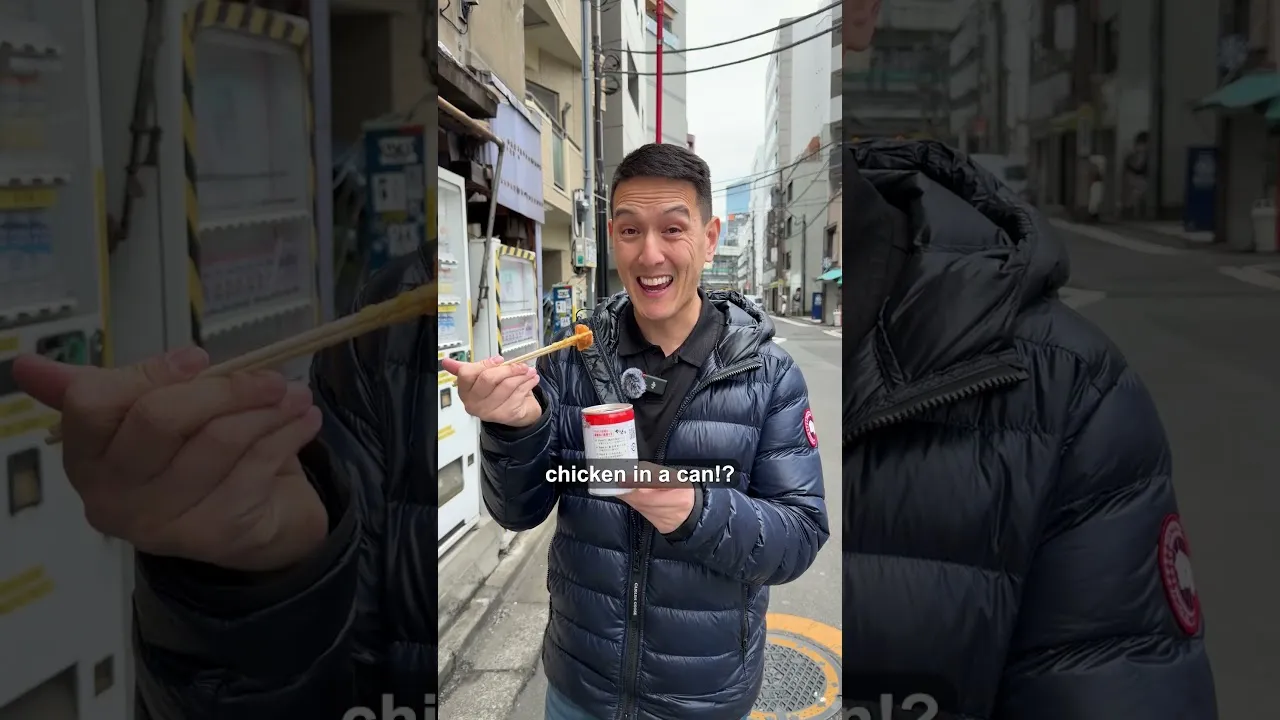
Beyond the security aspect, Japan’s vending machines offer an unparalleled range of products, far exceeding the typical snacks and beverages found elsewhere. Consumers can purchase an eclectic mix of items, including unique offerings such as canned grilled chicken.
This diverse product availability is partly due to historical innovation within the sector. The development of machines capable of dispensing both hot and cold items, a significant advancement credited to Japanese ingenuity in the 1970s, paved the way for the expanded product categories seen today.
The Cornerstone of Trust: Why Japan Leads
The fundamental question driving the success of Japan’s vending machine kingdom is the underlying reason for its viability. The answer, as identified, lies in the pervasive culture of trust.
This trust is so deeply ingrained that operators can leave machines fully stocked with cash and products, confident in their security. This contrasts sharply with the U.S. Model, where vending machines often require significant investment in security features like reinforced steel, surveillance cameras, and comprehensive insurance policies.
“The entire model here relies on trust. You can leave a machine full of cashed and just simply walk away.
In the US, that same vending machine would need reinforced steel, security cameras, and an insurance policy. But in Japan, here they can just plug it in and go.”
Market Impact and Investor Considerations
The Japanese vending machine market represents a significant segment of the retail landscape, demonstrating the potential for automated sales channels when supported by a strong social fabric. For investors, this sector highlights the importance of understanding cultural nuances in market development. The low operational overheads associated with high security in Japan’s model can translate to potentially higher profit margins compared to markets where security is a major cost factor.
The long-term implications suggest that as technology advances, the potential for sophisticated vending solutions continues to grow globally. However, replicating Japan’s success on such a scale would likely require more than just technological innovation; it would necessitate a similar level of societal trust and low crime rates. The sector’s resilience and adaptability, evidenced by the introduction of diverse product offerings and temperature-controlled dispensing, indicate a mature market capable of evolving consumer demands.
While the transcript doesn’t dig into specific company performance or stock market data, the macro-economic impact of a $33 billion industry cannot be understated. It supports numerous jobs in manufacturing, maintenance, stocking, and logistics. The reliability and convenience of vending machines contribute to the overall efficiency of Japanese commerce and daily life.
What Investors Should Know
- Market Size: Japan’s vending machine market is valued at over $33 billion annually.
- Density: A high concentration of machines, with one for every 23 people, indicates market saturation and consumer acceptance.
- Operational Model: The reliance on trust significantly reduces security-related operational costs.
- Innovation: The sector has a history of innovation, such as dual hot/cold dispensing, enabling product diversity.
- Cultural Factor: Societal trust is a critical, non-replicable component of the market’s success.
The Japanese vending machine phenomenon offers a compelling case study in how cultural factors can profoundly shape market dynamics and create unique economic opportunities. The sustained success of this $33 billion industry is proof of a society where trust is a valuable, palpable asset.
Source: Why Japan is the Vending Machine Kingdom of the World (YouTube)