Forest Land Offers Escape and Financial Escape Route
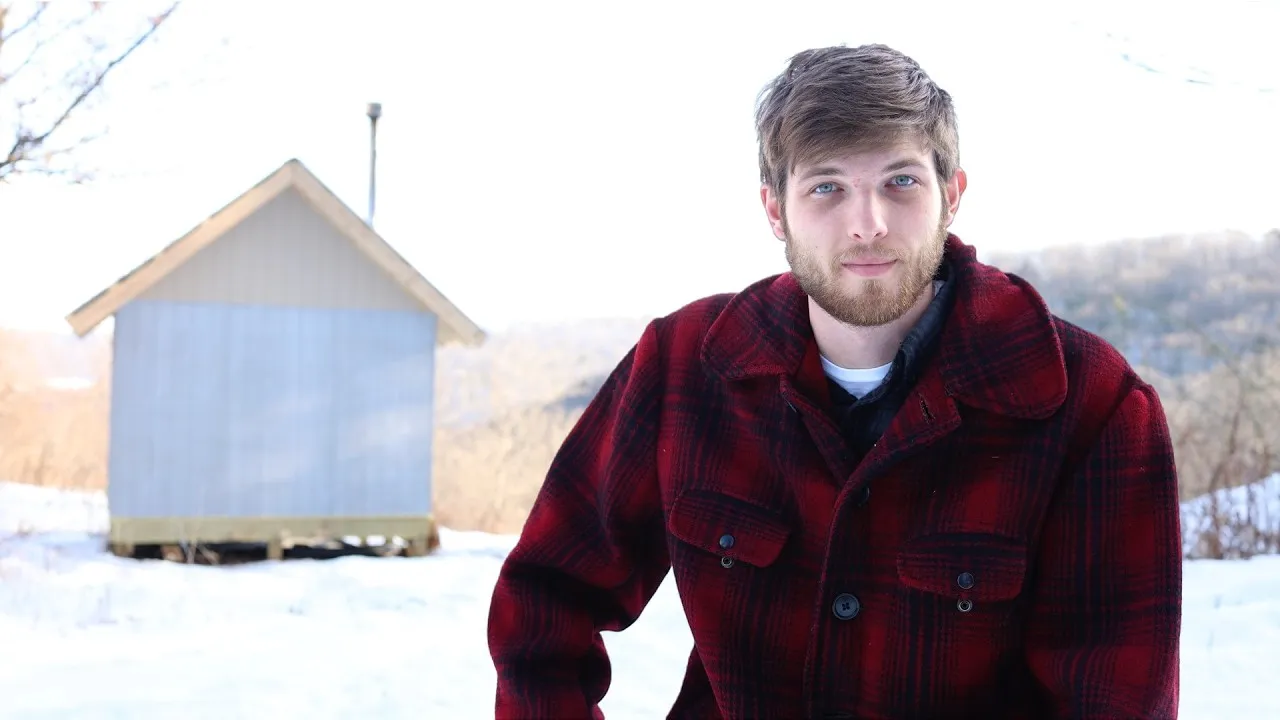
In a move that eschews the escalating costs of urban living and the relentless pace of modern technology, an individual has purchased a significant tract of forested land, embracing an off-grid lifestyle. This decision, made against a backdrop of rising housing prices and concerns about technological integration, highlights a growing desire for simpler, more self-sufficient living, underpinned by an unexpected financial strategy: timber investment.
Escaping the Digital Deluge and Urban Grind
The decision to move off-grid is framed as a conscious retreat from the accelerating pace of technological advancement, including artificial intelligence and the proliferation of deepfakes. The individual notes a personal experience of increased happiness and peace by reducing screen time and technology usage over the past two years. This aligns with concerns about the potential negative impacts of excessive technology on mental well-being, particularly referencing high average daily screen times among younger demographics.
Beyond the digital realm, the daily realities of urban life—heavy traffic, noise pollution, and general urban congestion—contributed to the desire for isolation. The new off-grid property offers a stark contrast, providing miles of undeveloped land where the primary sounds are natural, such as wind through trees and wildlife.
Financial Realities of Homeownership vs. Rural Land
The financial rationale for choosing off-grid living is a significant aspect of this transition. The individual points to the prohibitive cost of traditional housing, with average home prices exceeding $500,000 in many areas, and sometimes reaching over $1 million in markets like California. This stands in stark contrast to the acquisition of rural land.
Purchasing 20 acres of land, for instance, can range from $20,000 to $40,000. Building a cabin or even a house on such land is presented as a far more affordable alternative to buying a pre-existing urban property. This is further contextualized by the dramatic rise in rental costs.
The average monthly rent, estimated to be around $1,300-$1,400 in 2025, has increased approximately 13 to 14-fold over the past 50 years, from about $100 per month. Extrapolating this trend suggests rents could reach $10,000-$15,000 per month in 50 years, making traditional rental or ownership models increasingly unsustainable for many.
Timber as a Long-Term Asset and Income Stream
A key element of the off-grid strategy is the financial potential of the timber on the purchased land. The property is densely populated with valuable hardwood trees, such as maple and oak. This timberland is viewed not as a cost, but as a long-term income-generating asset.
“Money doesn’t grow on trees, but in this case, it kind of does. Uh, they just grow bigger every year and that increases your total volume of lumber or timber that you have on your property.”
Timber investing typically yields average annual returns of around 12%. This performance is driven by several factors:
- Biological Growth: Trees increase in size and volume annually, directly increasing the potential lumber yield.
- Lumber Price Appreciation: Historically, lumber prices tend to rise over the long term.
- Land Value Appreciation: Land, particularly in desirable locations, has seen consistent price increases for over a century, with no new land being created.
The owner plans to harvest a small percentage of trees (5-10%) every 5-10 years as needed, providing a sustainable source of cash without depleting the asset. This contrasts sharply with the ongoing expenses of mortgages or rent.
Diversifying Income with Maple Syrup Production
In addition to timber, the property offers opportunities for other income streams. The land is suitable for maple syrup production, with thousands of sugar maple trees.
Having prior experience in this area, the owner plans to engage in maple syrup operations during the February-March season. This venture is seen as both a source of income and a healthy, active pursuit that aligns with the desired lifestyle.
The Evolving Landscape of Off-Grid Living
While off-grid living traditionally presented significant challenges, modern advancements are making it more accessible. Technologies like Starlink offer potential internet connectivity, and solar panels have become considerably more affordable, facilitating self-sufficient energy solutions. The ability to drill wells for water further enhances the viability of remote living.
Market Impact and Investor Considerations
The decision to invest in rural land with timber assets reflects a broader trend of seeking tangible, appreciating assets as a hedge against inflation and economic uncertainty. While the immediate appeal is personal well-being and escape from urban pressures, the long-term financial strategy is noteworthy.
- Real Estate Alternatives: This approach highlights an alternative to the traditional, high-cost housing market, particularly for those willing to undertake land development and self-sufficiency.
- Commodity Investment: Timberland represents a unique investment class offering diversification and exposure to natural resource appreciation. Investors might consider timber REITs (Real Estate Investment Trusts) or direct investment in timberland, though the latter requires significant capital and expertise.
- Sustainability and Lifestyle: The move taps into growing consumer interest in sustainability, self-sufficiency, and a slower pace of life. This can influence investment in companies related to renewable energy, sustainable agriculture, and outdoor recreation.
The practical challenges of off-grid living, such as access to supplies (the nearest major store is an hour and a half away) and reliance on specific technologies for utilities, remain. However, the perceived benefits of increased peace, reduced stress, and a more sustainable financial future are driving this unconventional choice. The owner expresses feeling safer and more at peace in this remote environment compared to urban settings.
Source: I Moved Off Grid (YouTube)