Millions Raised for Deceased Celebrities Spark Debate on Consumer Psychology
In a surprising turn of events that has raised eyebrows across the financial and cultural landscape, GoFundMe campaigns established in the wake of certain celebrity deaths have amassed millions of dollars. This phenomenon, occurring mere days after the passing of public figures, prompts a deeper examination of consumer behavior, societal values, and the often-unexplained impulses that drive charitable giving, even towards the already ultra-wealthy.
The speed and scale at which these funds have been raised, often from ordinary citizens, has led to discussions questioning the underlying motivations. Observers note the stark contrast between the financial struggles of many Americans, who may be grappling with rent payments and everyday expenses, and their willingness to contribute to the estates of individuals who often possess vast personal fortunes, multiple properties, and extensive networks of affluent associates.
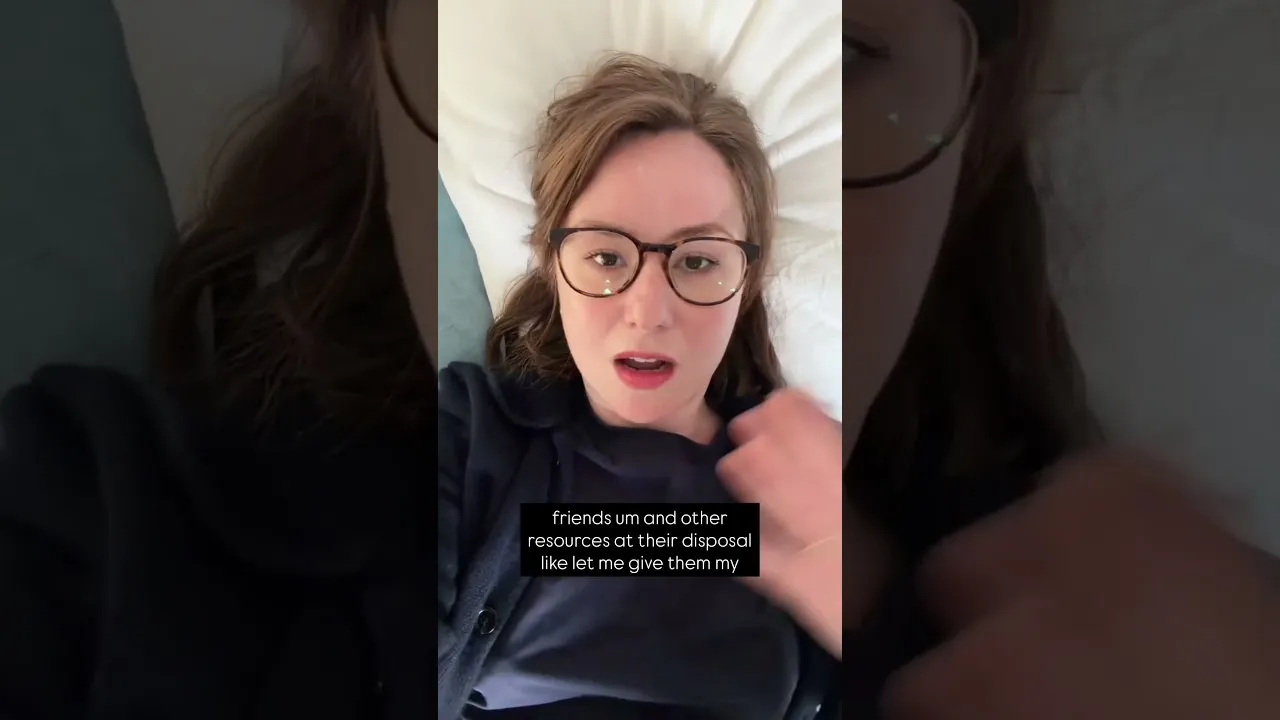
“What is it in the American psyche that’s like, ‘Oh, this person who has several multi-million dollar properties and literally endless wealthy friends and other resources at their disposal, like, let me give them my hard-earned money when I can barely make rent.'”
This trend has been particularly amplified when the deceased celebrity was, in their final days, known for promoting controversial viewpoints or medical misinformation. The juxtaposition of such actions with the outpouring of financial support creates a complex narrative, challenging the conventional understanding of public sentiment and posthumous respect.
The Psychology of Giving to the Wealthy
Financial analysts suggest several psychological factors may be at play. The deeply ingrained cultural imperative to “speak no ill of the dead” is often cited, though its modern interpretation appears to extend beyond mere verbal restraint to active financial support. This sentiment, while understandable in its desire for social harmony, is being re-evaluated when it translates into substantial financial contributions to those who demonstrably do not require assistance.
Some experts draw parallels to historical societal structures, suggesting a subconscious yearning for a return to hierarchical systems. The act of giving to the extremely wealthy, in this context, could be interpreted as an echo of feudalistic deference, where the common person accepts their lot while contributing to the comfort of the elite. This perspective posits that, rather than a conscious rejection of democratic ideals, it may represent an unconscious return to older, more stratified social mentalities.
Historical Context and Societal Shifts
The narrative surrounding these fundraisers also brings to mind historical struggles for social and economic equality. The question is raised whether this behavior represents a departure from the very principles that spurred revolutions and movements aimed at dismantling rigid class structures. The willingness of individuals to part with their limited resources for the benefit of the excessively affluent is seen by some as a concerning regression in societal consciousness.
Market Impact and Investor Considerations
While not directly impacting stock markets or traditional investment portfolios, this phenomenon offers a unique lens through which to view consumer psychology and brand loyalty, even in the face of death. For businesses and marketers, understanding these deep-seated emotional drivers can be invaluable. It highlights the power of celebrity influence and the complex relationship consumers have with public figures, extending beyond their professional output to their perceived personal lives and legacies.
For investors, this trend highlights the importance of understanding the intangible factors that drive consumer behavior. While financial metrics are paramount, the emotional and psychological connections consumers form with brands and personalities can significantly influence purchasing decisions and, in extreme cases, philanthropic actions. This can indirectly affect companies associated with these celebrities or those that leverage similar emotional marketing strategies.
What Investors Should Know:
- Brand Loyalty and Emotional Connection: Consumers often develop strong emotional bonds with celebrities, which can translate into support even after their passing.
- The Power of Narrative: The stories and legacies created by celebrities, coupled with public sympathy, can drive significant financial contributions.
- Consumer Psychology Insights: Understanding the motivations behind seemingly irrational giving behaviors can provide broader insights into consumer markets.
- Indirect Market Influence: While not a direct market indicator, these events reflect broader societal trends that can eventually influence consumer spending patterns and brand perception.
In conclusion, the substantial sums raised through GoFundMe for deceased celebrities, particularly those with considerable existing wealth, present a compelling case study in modern consumer psychology. It challenges conventional notions of charity and respect, prompting a broader conversation about societal values and the enduring allure of celebrity, even from beyond the grave.
Source: Celebrity Fundraisers (YouTube)