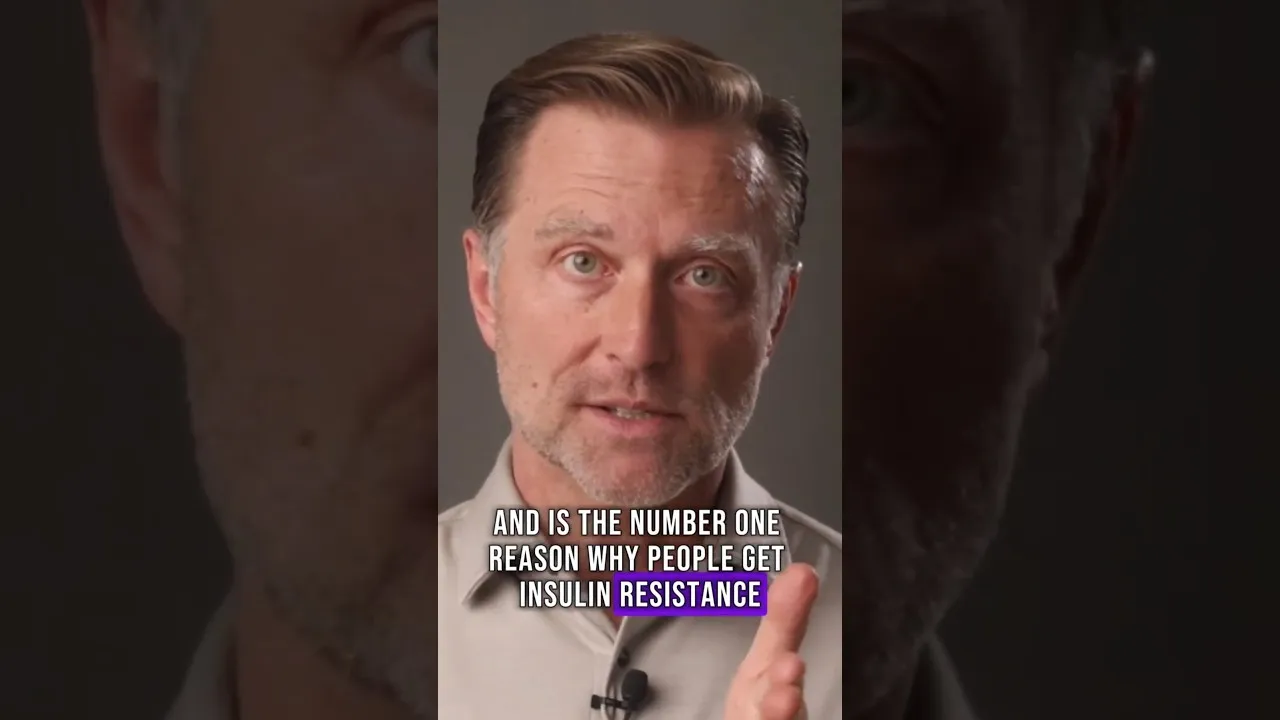
Stop Snacking: The Hidden Habit Fueling Chronic Disease
While many associate dangerous health habits with well-known culprits like smoking or excessive sugar intake, a more pervasive and often overlooked habit may be silently contributing to a range of chronic diseases: constant snacking. This seemingly harmless behavior, practiced daily by many, can lead to inflammation, weight gain, fatty liver disease, and insulin resistance, a foundational root cause of many long-term health issues.
The Insulin Rollercoaster
At the heart of the problem lies our body’s response to food, specifically the hormone insulin. Insulin’s primary role is to help cells absorb glucose (sugar) from the bloodstream for energy.
When we eat, particularly carbohydrate-rich foods, our blood sugar levels rise, prompting the pancreas to release insulin. Ideally, after a meal, blood sugar and insulin levels should return to baseline before the next meal.
However, constant snacking between meals disrupts this natural cycle. Each time you consume something, even small snacks, your body releases insulin. This leads to persistently elevated insulin levels, preventing your body from entering a fat-burning state and contributing to insulin resistance.
Insulin resistance occurs when your cells become less responsive to insulin’s signal, forcing your pancreas to produce even more insulin to manage blood sugar. Over time, this can overwhelm the system, leading to consistently high blood sugar levels and pre-diabetes.
Beyond Blood Sugar: The Wider Impact of Constant Snacking
The implications of chronic high insulin and blood sugar levels extend far beyond diabetes. This metabolic dysfunction is a significant driver of inflammation throughout the body. Chronic inflammation is a key factor in the development of numerous diseases, including heart disease, certain cancers, and autoimmune conditions.
The constant influx of energy from frequent eating can contribute to excess calorie intake, leading to weight gain and, specifically, the accumulation of fat in the liver, a condition known as non-alcoholic fatty liver disease (NAFLD). NAFLD can progress to more severe liver damage if left unaddressed.
What Constitutes a “Snack”?
The definition of snacking can be broad. While obvious sugary treats and processed foods are clear offenders, even seemingly healthy options like fruit, nuts, or yogurt, when consumed between meals, can trigger an insulin response.
The key issue is the frequency of eating rather than solely the type of food. Allowing your body a break between meals, typically 3-4 hours, gives insulin levels a chance to fall and your body an opportunity to utilize stored energy.
Who is Most Affected?
This information is particularly relevant for individuals who:
- Frequently experience energy crashes between meals.
- Struggle with weight management.
- Have a family history of diabetes or metabolic syndrome.
- Are experiencing symptoms of insulin resistance, such as increased thirst, frequent urination, or unexplained fatigue.
- Are concerned about developing chronic diseases like heart disease or fatty liver disease.
Shifting Towards Healthier Eating Patterns
Transitioning away from constant snacking requires a conscious effort to retrain your body’s eating cues and hormonal responses. Prioritizing balanced meals that include protein, healthy fats, and fiber can help promote satiety and reduce the urge to snack. Hydration is also crucial; often, thirst can be mistaken for hunger.
Understanding the impact of our eating habits on hormonal balance is a critical step towards long-term health. By allowing our bodies regular periods of rest from digestion and insulin release, we can significantly reduce our risk of developing chronic diseases and improve our overall metabolic health.
Key Health Takeaways
- Constant snacking between meals can lead to elevated insulin levels and insulin resistance, a root cause of chronic disease.
- This habit contributes to inflammation, weight gain, and fatty liver disease.
- Allowing 3-4 hours between meals gives insulin levels a chance to normalize and your body to utilize stored energy.
- Focus on balanced meals with protein, healthy fats, and fiber to promote fullness.
- Stay hydrated, as thirst can often be mistaken for hunger.
Disclaimer: This article is for informational purposes only and does not constitute medical advice. Always consult with a qualified healthcare professional before making any significant changes to your diet or lifestyle, especially if you have pre-existing health conditions.
Source: The #1 MOST Dangerous Habit (YouTube)