Medieval Injuries: From Fractures to Fatal Bleeding
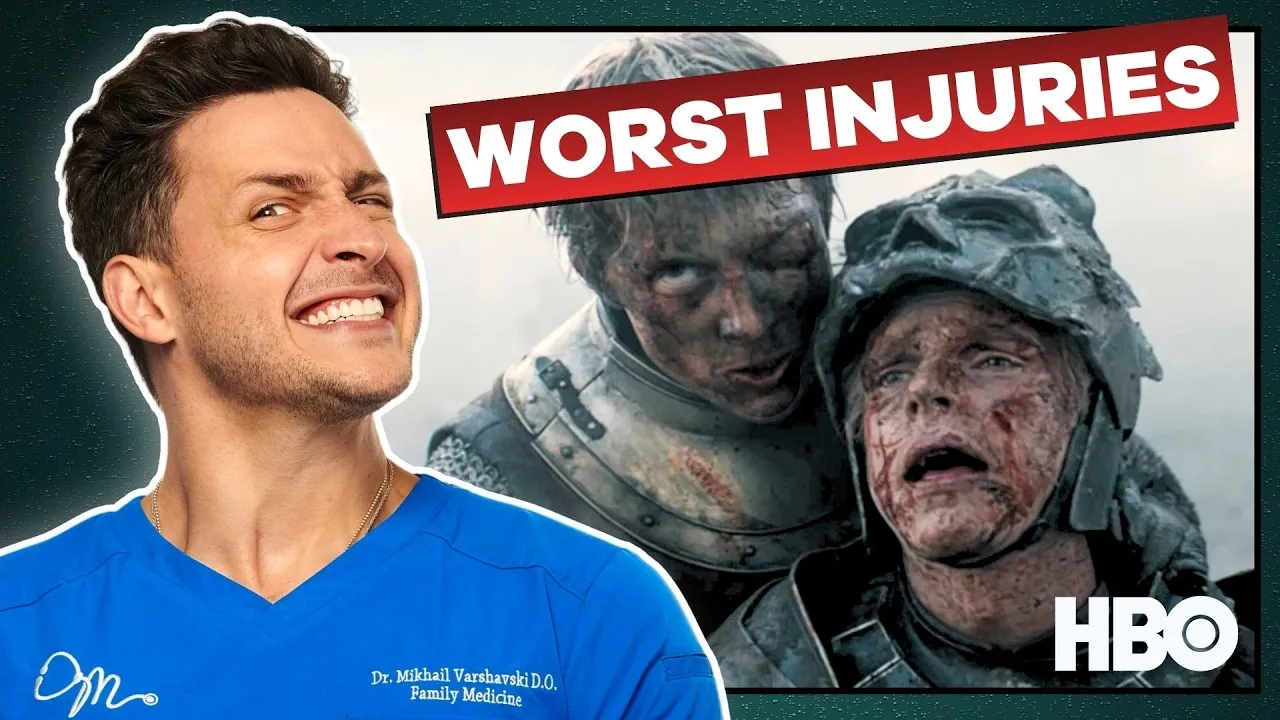
The recent episode of “A Knight of the Seven Kingdoms” has sparked considerable discussion, not just for its dramatic plotlines, but for its visceral depiction of combat injuries. A medical professional, reviewing the on-screen violence, offers insights into the severity and implications of these wounds, highlighting the stark differences between medieval medicine and modern healthcare.
The Perils of Combat: Anatomy Under Attack
The on-screen battles showcase a range of traumatic injuries, from glancing blows to catastrophic wounds. When a jousting lance strikes the abdomen, the narrator notes it appears to hit the head of the pancreas, a vital organ. In an era without antibiotics, such abdominal injuries were often a death sentence due to the high risk of infection and internal bleeding.
A particularly gruesome injury involves a jousting stick penetrating the abdomen. The medical expert points out that, in this specific instance, the object might have inadvertently helped by applying pressure to arteries, thus slowing down fatal blood loss – a grim silver lining in a life-threatening situation.
Head and facial injuries are also prevalent. A blow from a mace to the face is identified as a likely zygomatic arch fracture, affecting the cheekbone.
The transcript also touches on the devastating consequences of severe bleeding, noting that significant blood loss, particularly from neck injuries like a severed carotid artery, would lead to rapid unconsciousness and death due to lack of oxygen to the brain. Even though the characters might appear to be struggling to breathe, the primary cause of death in such cases is circulatory failure, not asphyxiation.
Specific anatomical knowledge is evident in the depiction of a bite to the carotid artery. The narrator explains that a skilled combatant would understand that severing this major blood vessel severely impairs balance, coordination, and the ability to fight.
Limb Injuries and Their Consequences
Injuries to the limbs are shown to be debilitating. A blow to the shin is humorously likened to a severe shin splint, but the reality of such trauma can be far more serious. A torn calf muscle, especially if it affects the Achilles tendon, can result in complete foot drop, rendering an individual unable to walk, as famously exemplified by the challenges faced by athletes like Kobe Bryant after similar injuries.
Even seemingly less severe wounds carry immense risk in a pre-antibiotic world. Injuries to the hand, particularly those that break the skin, create an entry point for a host of communicable diseases, including hepatitis and HIV, as well as tetanus. The narrator stresses that any open wound was a significant concern for infection, a stark contrast to modern practices where topical or oral antibiotics can readily manage such threats.
The Invisible Threats: Infection and Dehydration
Beyond direct trauma, the series highlights other life-threatening issues. Stabbings, even if not immediately fatal, pose a high risk of infection. The medical expert states that a person suffering 14 stab wounds would likely be beyond saving due to the overwhelming infection risk, even with modern medical intervention.
The dangers of contaminated water are also underscored. Drinking untreated water, especially when already dehydrated, can lead to gastrointestinal illnesses like giardiasis. These illnesses can exacerbate dehydration through vomiting and diarrhea, and also contribute to fever, which further increases water loss and heart rate.
The episode also touches on the body’s response to severe trauma and infection. Chills and fever are natural survival mechanisms, with the body raising its temperature to fight off pathogens. Rigors, a more extreme form of shivering, indicate a severe systemic response.
Medieval Medicine vs. Modern Care
Throughout the analysis, a recurring theme is the lack of effective medical interventions in the medieval period. Treatments like pouring boiling oil or wine on wounds are described. While boiling wine might have some cauterizing effect and the alcohol could kill some bacteria, the overall approach is depicted as barbaric and likely to worsen the patient’s condition through further burning, dehydration, and increased sickness.
The lack of basic necessities like electrolytes, protein supplements, or creatine would have severely impacted the stamina and recovery of combatants. The narrator questions how individuals could sustain such physical exertion without these modern aids.
Even simple medical needs, like dealing with sunburn, were addressed through rudimentary methods such as seeking shade or applying animal substances, the efficacy of which is questionable. The narrator expresses disbelief at the survival of individuals who sustained significant injuries, attributing it to the fictional nature of the narrative rather than realistic medical outcomes.
Neurological Impact and Long-Term Consequences
The repeated concussive blows sustained by one character are noted to have significant, lasting neurological consequences, drawing a parallel to the concerns surrounding head injuries in modern sports like American football. The narrator speculates on potential nerve damage, like Meralgia Paresthetica, which can occur from tight belts affecting nerves in the thigh, leading to altered sensation.
Severe head trauma, such as a crushed helm impacting the occipital lobe and cerebellum, would result in immediate loss of vision and balance, respectively. The visual cortex is located in the occipital lobe, and the cerebellum is crucial for motor control and coordination. The narrator emphasizes that any remaining movement in a decapitated head is merely spinal reflex, not consciousness.
A Stark Reality Check
The analysis is a clear reminder of the brutal realities of medieval warfare and the rudimentary state of medical care. While the show may depict dramatic combat, the underlying injuries and their potential outcomes, viewed through a modern medical lens, highlight the immense suffering and high mortality rates of the era. The expert concludes by noting that the medical tools and practices of the time were as horrifying as the weapons used on the battlefield.
Disclaimer: This article is for informational purposes only and does not constitute medical advice. Always consult with a qualified healthcare professional for any health concerns or before making any decisions related to your health or treatment.
Source: Doctor Reacts To A Knight Of The Seven Kingdom's Injuries (YouTube)