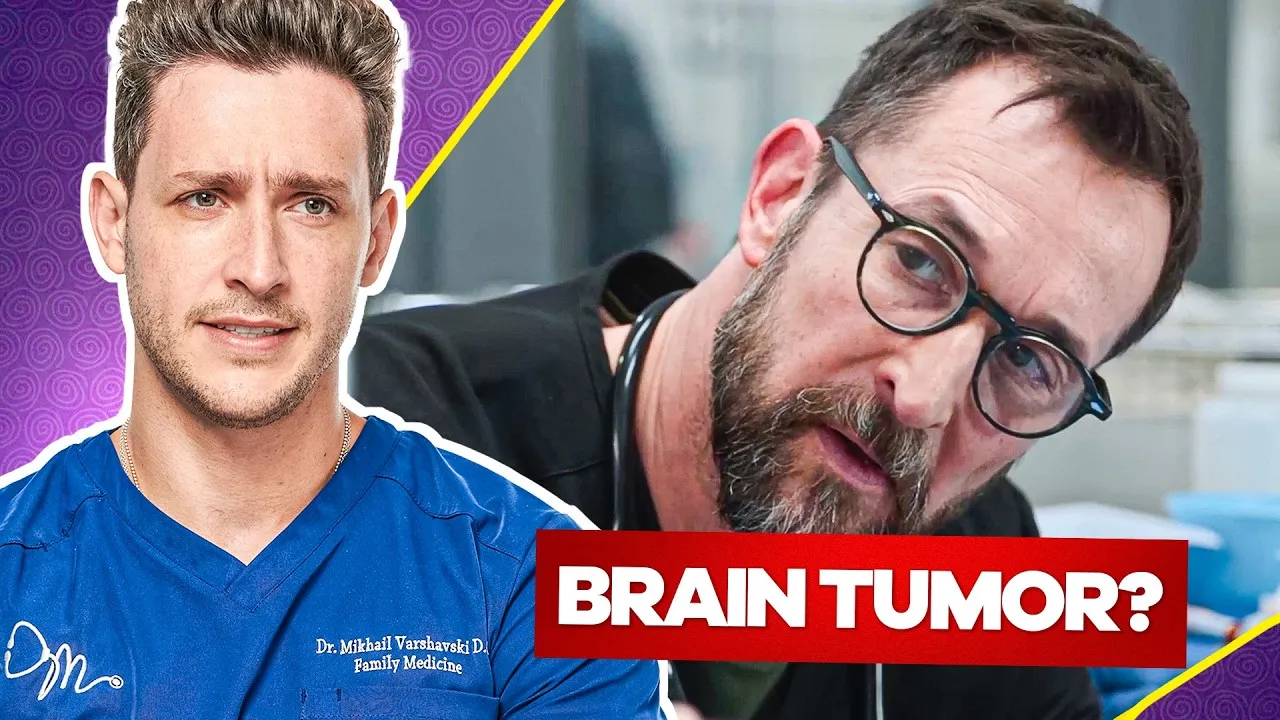
ER Doctors Reveal Real-Life Medical Drama and Insights
The fast-paced, high-stakes environment of an emergency room is often portrayed dramatically in television shows. A recent discussion among medical professionals, reacting to an episode of the series ‘The Pitt,’ offers a glimpse into the real-world complexities, diagnostic challenges, and treatment decisions faced by ER doctors daily. This behind-the-scenes look highlights not only the medical science but also the human element of emergency medicine.
Navigating Critical Decisions Under Pressure
The episode showcased several critical scenarios, including the administration of powerful antipsychotic medications like olanzapine and droperidol. Doctors emphasized the importance of careful patient assessment before administering such drugs, particularly noting the potential cardiac implications.
“You gotta be careful with some of these medications,” one commentator stated, referencing the risk of prolonged QT intervals and dangerous heart rhythms like torsades. This highlights the necessity of thorough pre-treatment evaluations, even in urgent situations.
The Role of Patient History and Communication
A recurring theme was the impact of patient history and effective communication. In one instance, a patient presented after forgetting to take their blood pressure medication. The doctor noted that such ER visits could often be avoided if patients had a strong, consistent relationship with their primary care physician.
“A lot of patients end up going to the ER for forgotten medications because they don’t have good contact with a primary care doctor,” they explained. This highlights the value of accessible and continuous primary care in preventing unnecessary emergency room visits.
Trauma and Resuscitation: A Delicate Balance
The discussion delved into the management of severe trauma, including a motorcyclist with an open skull fracture. The immediate concern was the patient’s low blood pressure and loss of pulse, necessitating chest compressions and fluid resuscitation.
“This is a person who’s very, very sick, bleeding into their skull, losing a lot of blood ’cause the blood pressure’s really low,” a commentator observed. The limitations of intravenous fluids alone in cases of significant blood loss were also pointed out, with a strong emphasis on the need for blood transfusions to restore oxygen-carrying capacity.
Understanding Neurological Damage
The assessment of neurological status, particularly through pupil examination, was highlighted. Fixed and dilated pupils, often referred to as “blown pupils,” are a grave sign indicating significant neurological damage or bleeding within the brain. This was observed in the case of the motorcyclist, where the severity of the head injury ultimately led to the difficult decision to call time of death.
Complex Diagnoses: Beyond the Obvious
The ER is often the first point of contact for a wide range of conditions, some of which present unusually. The episode featured a patient with paralysis, initially suspected to be due to a spinal cord injury. However, further investigation revealed a critically low potassium level (1.2), pointing towards a rare condition called hypokalemic periodic paralysis.
This diagnosis, while rare, explained the profound weakness and paralysis without a clear radiologic abnormality on CT scans. The medical professionals expressed surprise at the rapid jump to this diagnosis, emphasizing the importance of ruling out other possibilities, including lab errors, in such critical situations.
The Challenge of Brain Tumors in the ER
Another scenario involved a patient presenting with dizziness and falls, ultimately diagnosed with a brain tumor. While the ER can initiate the diagnostic process, including imaging like CT scans and blood work, definitive treatment often requires specialized care.
The discussion touched upon the need for brain biopsies to determine the nature of the tumor and the role of steroids like dexamethasone in managing swelling. It was noted that such cases typically warrant admission to inpatient services for further management by specialists.
Medication Mismanagement and Interactions
The dangers of sharing medications or relying on family knowledge for medical advice were strongly cautioned against. A patient presented with dangerously low blood pressure and heart rate, potentially due to accidentally taking a family member’s medication.
Medical professionals stressed that medications are prescribed based on an individual’s specific health profile, including other conditions and existing medications. “Pooling meds is how we’ve always done it,” one character suggested, which was immediately countered by a medical expert stating, “sharing meds which haven’t been prescribed to you is actually a real big no-no.” This highlights the critical importance of taking only prescribed medications and consulting healthcare providers about any potential interactions.
Burn Management: From Home Remedies to Medical Care
The episode also addressed burn care, including the use of honey on a severe burn. While honey does possess antibacterial and anti-inflammatory properties, especially medical-grade honey, its application on extensive, deep burns requires professional medical evaluation.
The need for debridement, the removal of dead tissue, was discussed as a crucial step in healing, often requiring pain management. The narrative also touched upon the emotional toll of severe injuries, as seen with a patient injured during the 2018 synagogue shooting, highlighting the intersection of physical trauma and psychological distress.
Pediatric Emergencies and Abuse Concerns
The care of a child, Kylie, who sustained a cut chin and chipped tooth, led to a discussion about potential child abuse. While the initial injuries seemed minor and accidental, the presence of bruising on the child’s body raised red flags for the medical team.
This scenario highlights the sensitive but key role of healthcare professionals in assessing for non-accidental trauma in children. The subsequent discovery of thrombocytopenia (low platelet count) shifted the focus from potential abuse to an underlying medical condition, illustrating how initial suspicions can evolve with further diagnostic information.
Understanding Thrombocytopenia
Thrombocytopenia, a condition characterized by a low platelet count, was explained as a state where the blood’s ability to clot is impaired, leading to easy bruising. While initially suspected to be related to trauma or even abuse, further investigation pointed towards immune thrombocytopenia (ITP).
ITP is an autoimmune disorder where the body’s immune system mistakenly attacks and destroys platelets. Treatment typically involves high-dose steroids and other therapies to suppress the immune response and reduce platelet destruction.
The Importance of a Coordinated Care Team
Throughout the episode, the collaborative nature of emergency medicine was evident. From nurses and technicians to physicians and social workers, each member plays a vital role.
The discussion emphasized that in critical situations, a team approach is essential for effective patient care, from initial assessment and resuscitation to diagnosis and disposition planning. The integration of social workers and counselors was also highlighted as crucial for supporting patients and their families during times of extreme stress.
Key Health Takeaways
- Medication Safety: Always take medications as prescribed and never share them. Consult your doctor or pharmacist about potential interactions.
- Primary Care Matters: Maintaining a strong relationship with a primary care physician can help prevent unnecessary ER visits for issues like forgotten prescriptions.
- Trauma Assessment: In severe trauma, immediate medical attention is crucial. Advanced imaging and interventions like blood transfusions are vital for survival.
- Neurological Signs: Changes in pupil size and reactivity can indicate serious brain injury.
- Rare Conditions: ER doctors must consider rare diagnoses, even when common explanations seem plausible, especially when presented with unusual symptoms or lab values.
- Child Safety: Healthcare providers are trained to assess for signs of abuse or neglect in children presenting with injuries.
- Teamwork in Healthcare: Effective emergency care relies on the coordinated efforts of a multidisciplinary medical team.
Disclaimer
This article is for informational purposes only and does not constitute medical advice. It is essential to consult with a qualified healthcare professional for any health concerns or before making any decisions related to your health or treatment.
Source: Doctor Reacts To The Pitt Season 2 Episode 3 (YouTube)