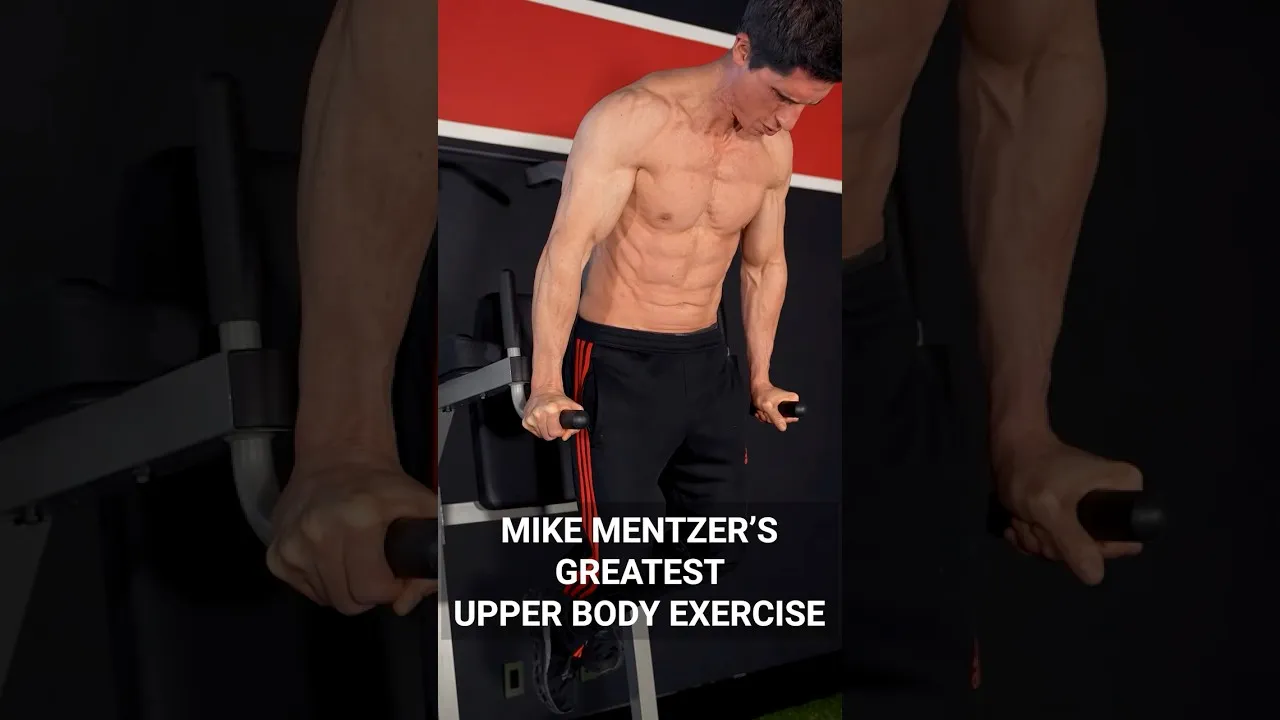
Master Your Shoulders: The Surprising Power of Dips
When seeking to build impressive shoulders, chest, and triceps, one often overlooks a fundamental yet incredibly effective exercise: the dip. While the pursuit of sculpted physique might lead many to complex weightlifting routines, the humble dip, particularly when performed on parallel bars, has been championed by elite athletes and bodybuilders alike for its unparalleled ability to develop upper body strength and size. This article explores the science and application of dips, drawing on anecdotal evidence from high-level athletes to highlight their significant potential for muscle growth and functional strength.
The Gymnastics Secret to Upper Body Development
The effectiveness of dips is perhaps best illustrated by the physiques of elite gymnasts. The transcript references three American gymnasts who, through their rigorous training on the parallel bars, developed chest, shoulder, and triceps musculature comparable to that of advanced bodybuilders.
These athletes reportedly achieved these impressive results without conventional weightlifting. Their primary method of building such formidable upper bodies was through the execution of dips.
This observation suggests that the compound nature of the dip exercise, engaging multiple muscle groups simultaneously, is a potent stimulus for hypertrophy (muscle growth) and strength development. The parallel bar dip requires significant stabilization and force production from the pectoralis muscles (chest), the deltoids (shoulders), and the triceps brachii (back of the upper arm). The bodyweight resistance, when performed with proper form and sufficient volume, can be as challenging as, if not more challenging than, many free-weight exercises.
Understanding the Mechanics of Dips
Dips are a compound exercise, meaning they involve the movement of multiple joints and the coordinated action of several muscle groups. When performed on parallel bars, the movement primarily targets the:
- Pectoralis Major: Especially the lower and outer portions, contributing to chest width and thickness.
- Anterior Deltoids: The front part of the shoulder, crucial for shoulder development and aesthetics.
- Triceps Brachii: Responsible for extending the elbow and providing significant power and size to the upper arm.
The angle of the torso and the degree of elbow bend during the dip can slightly alter the emphasis on these muscle groups. Leaning forward more intensely recruits the chest muscles, while maintaining a more upright posture shifts the focus towards the triceps. The shoulder joint is also actively engaged, particularly the anterior deltoid, to stabilize the body and control the descent.
Who Can Benefit from Dips?
Dips are a versatile exercise suitable for a wide range of individuals, from aspiring bodybuilders to those seeking functional strength for everyday activities. However, the intensity of the exercise means it requires a baseline level of strength and joint stability.
- Beginners: May start with assisted dips (using resistance bands or a dip machine) or bench dips (performed with hands on a bench and feet on the floor) to build foundational strength before progressing to parallel bar dips.
- Intermediate to Advanced Lifters: Can increase the challenge by adding weight (using a dip belt), increasing repetitions, or slowing down the tempo.
- Athletes: Particularly those in sports requiring upper body pushing strength, such as gymnastics, wrestling, or even throwing sports, can find dips beneficial for sport-specific conditioning.
It is crucial for individuals with pre-existing shoulder, elbow, or wrist issues to approach dips with caution and consult with a healthcare professional or physical therapist. Proper form is paramount to prevent injury and maximize effectiveness.
Maximizing Results and Safety
To reap the full benefits of dips while minimizing the risk of injury, consider the following:
- Proper Form: Control the movement throughout the entire range of motion. Avoid swinging or using momentum. Keep your shoulders down and back, and avoid shrugging.
- Range of Motion: Descend until you feel a comfortable stretch in your chest and shoulders, typically when your upper arms are parallel to the floor or slightly below. Do not force a deeper stretch if it causes pain.
- Progression: As you get stronger, gradually increase repetitions, sets, or add weight. Alternatively, focus on slower, more controlled repetitions.
- Listen to Your Body: If you experience sharp pain, stop the exercise immediately.
The Expert Perspective
While the transcript cites anecdotal evidence from gymnasts and their trainers, the principles behind muscle development through compound bodyweight exercises are well-established in exercise science. Mike Mentzer, a legendary figure in bodybuilding known for his high-intensity training philosophy, also recognized the profound effectiveness of dips. His emphasis on maximizing the stimulus from each exercise aligns with the idea that dips, when performed correctly, provide a significant challenge to the target muscle groups.
Key Health Takeaways
- Dips are a superior compound exercise for developing the chest, shoulders (deltoids), and triceps.
- Elite gymnasts achieve impressive upper body physiques primarily through bodyweight training, including dips, often without lifting weights.
- Proper form is essential to maximize muscle activation and prevent injuries, especially to the shoulders and elbows.
- Individuals can modify dips to suit their fitness level, from assisted versions for beginners to weighted variations for advanced trainees.
- Progression through increased repetitions, sets, or added weight is key to continued muscle growth and strength gains.
Disclaimer: This article is for informational purposes only and does not constitute medical advice. Always consult with a qualified healthcare provider or physical therapist before beginning any new exercise program, especially if you have any pre-existing health conditions or concerns.
Source: Mike Mentzer’s Greatest Shoulder Exercise (YouTube)