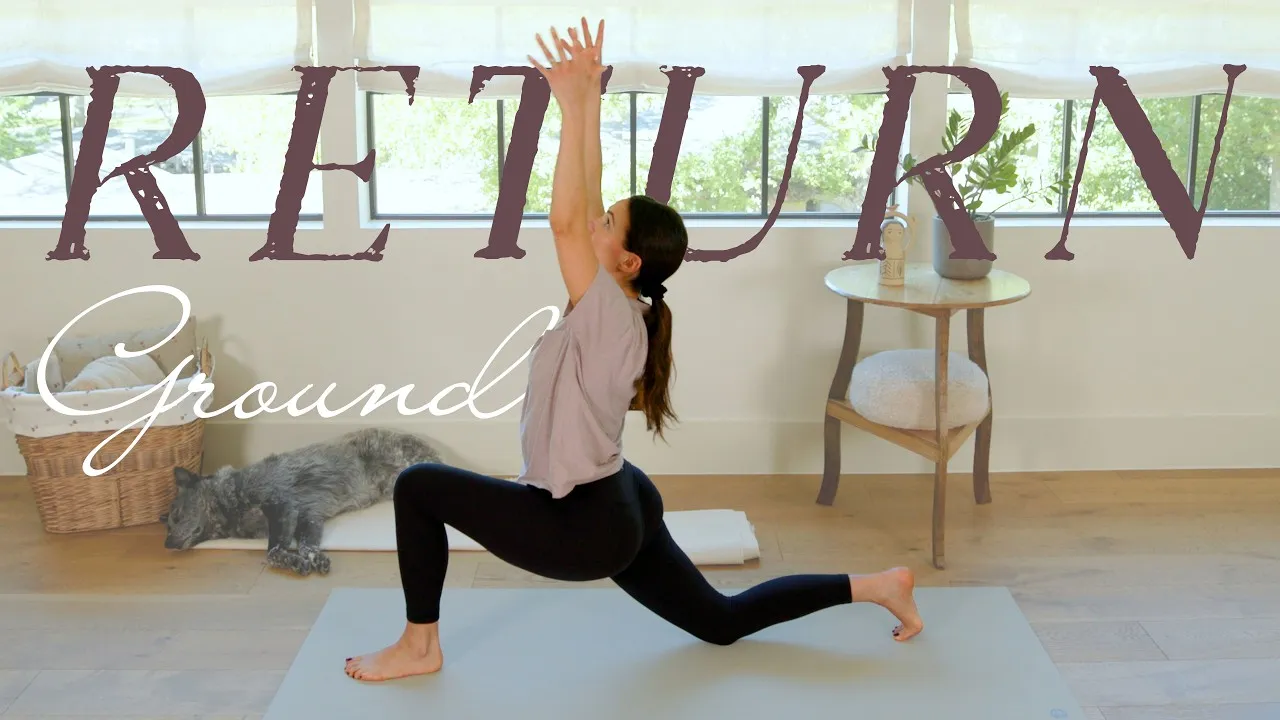
Find Your Center: Grounding Yoga for Inner Peace
In our fast-paced world, finding moments of calm and stability can feel like a luxury. Yet, the practice of yoga offers a powerful pathway to reconnect with ourselves and the present moment.
This article explores how grounding techniques, integrated into a yoga practice, can foster a sense of inner peace, reduce stress, and improve overall well-being. Drawing inspiration from a recent yoga session led by Adriene Mishler, we dig into simple yet effective methods to anchor yourself, both physically and mentally.
The Power of Grounding
Grounding, in the context of yoga and mindfulness, refers to the act of connecting with the present moment and the physical sensations of your body. It’s about anchoring yourself to the earth, creating a sense of stability and security.
This practice is particularly beneficial for those experiencing anxiety, stress, or a feeling of being overwhelmed. By focusing on physical sensations – the feeling of your feet on the ground, the breath moving in your body, the contact points with your mat – you can gently redirect your attention away from racing thoughts and towards a more centered state.
Establishing Your Foundation: The Feet
The journey to grounding often begins with the feet. In yoga, paying attention to the points of contact between your feet and the earth is crucial. Adriene emphasizes this by guiding practitioners to feel the four corners of the feet: the ball of the big toe, the ball of the pinky toe, and the inner and outer edges of the heel.
By consciously engaging these points, you can cultivate a sense of stability that radiates up through the legs and into the entire body. This simple act of awareness can activate leg muscles, improve balance, and create a solid foundation for all other poses.
A Simple Grounding Exercise:
- Begin in a comfortable standing position (Tadasana or Mountain Pose).
- Gently lift your toes off the ground, spreading them wide.
- Slowly lower your toes back down, ensuring even pressure across all four corners of your feet.
- Imagine drawing energy up from the arches of your feet, sending it up through your legs and torso.
- Maintain a soft micro-bend in your knees to avoid locking your joints.
The Breath as an Anchor
The breath is a constant companion, always available to bring us back to the present. In yoga, the breath is not just for sustenance; it’s a vital tool for awareness and regulation.
Adriene highlights the importance of noticing and deepening the breath, using it as an anchor in various poses, from seated meditation to dynamic movements. Whether you practice a gentle, natural breath or a more focused technique like Ujjayi (ocean sound breath), the act of conscious breathing calves the nervous system, reduces heart rate, and promotes a sense of calm.
Integrating Breath and Movement:
The synergy between breath and movement is a cornerstone of yoga. Following Adriene’s guidance, simple sequences like inhaling to reach the arms up and exhaling to draw them down through the heart center create a rhythmic flow that is both energizing and grounding. This mindful coordination helps to quiet the mental chatter and keeps the focus on the physical experience of the present moment.
Mindful Movement for Stability
The yoga practice described incorporates various movements designed to build both physical and mental stability. Poses like Downward-Facing Dog, with its emphasis on grounding through the hands and feet, help to create a sense of rootedness. Gentle twists, performed with awareness of the breath, can release tension and promote spinal mobility.
Key Poses for Grounding:
- Child’s Pose (Balasana): A restorative pose that encourages a sense of surrender and connection to the earth. Focusing on the breath in this pose can be deeply calming.
- Downward-Facing Dog (Adho Mukha Svanasana): This foundational pose strengthens the body while promoting a sense of stability through the hands and feet.
- Warrior II (Virabhadrasana II): A powerful standing pose that builds strength and focus. The wide stance and engaged legs create a strong sense of grounding.
- Mountain Pose (Tadasana): The simplest of standing poses, yet profoundly grounding when practiced with awareness of the feet and breath.
Bringing Awareness to Everyday Life
The benefits of grounding extend far beyond the yoga mat. By cultivating a practice of mindful awareness, you can carry this sense of stability and calm into your daily activities. Whether you’re at work, commuting, or spending time with loved ones, taking a moment to check in with your breath and your physical sensations can help you navigate challenges with greater ease and presence.
Who Can Benefit?
Grounding techniques and yoga practices are accessible to most individuals, regardless of age or fitness level. Those who experience anxiety, stress, or feel disconnected from their bodies may find particular benefit.
It’s always advisable to listen to your body and modify poses as needed. For individuals with specific health conditions, consulting with a healthcare provider or a qualified yoga instructor is recommended before starting a new practice.
Key Health Takeaways
- Focus on your feet: Actively engage all four corners of your feet to build a stable foundation.
- Anchor with your breath: Use your breath as a constant tool to return to the present moment and calm your nervous system.
- Mindful movement: Coordinate your breath with your movements to deepen your connection to your body and enhance stability.
- Incorporate grounding poses: Practices like Child’s Pose, Downward-Facing Dog, and Warrior II can enhance your sense of rootedness.
- Carry it off the mat: Apply grounding techniques to your daily life to manage stress and improve overall well-being.
Disclaimer: This article is for informational purposes only and does not constitute medical advice. Always consult with a qualified healthcare professional before making any decisions related to your health or treatment.
Source: Return – 2 – Ground (YouTube)