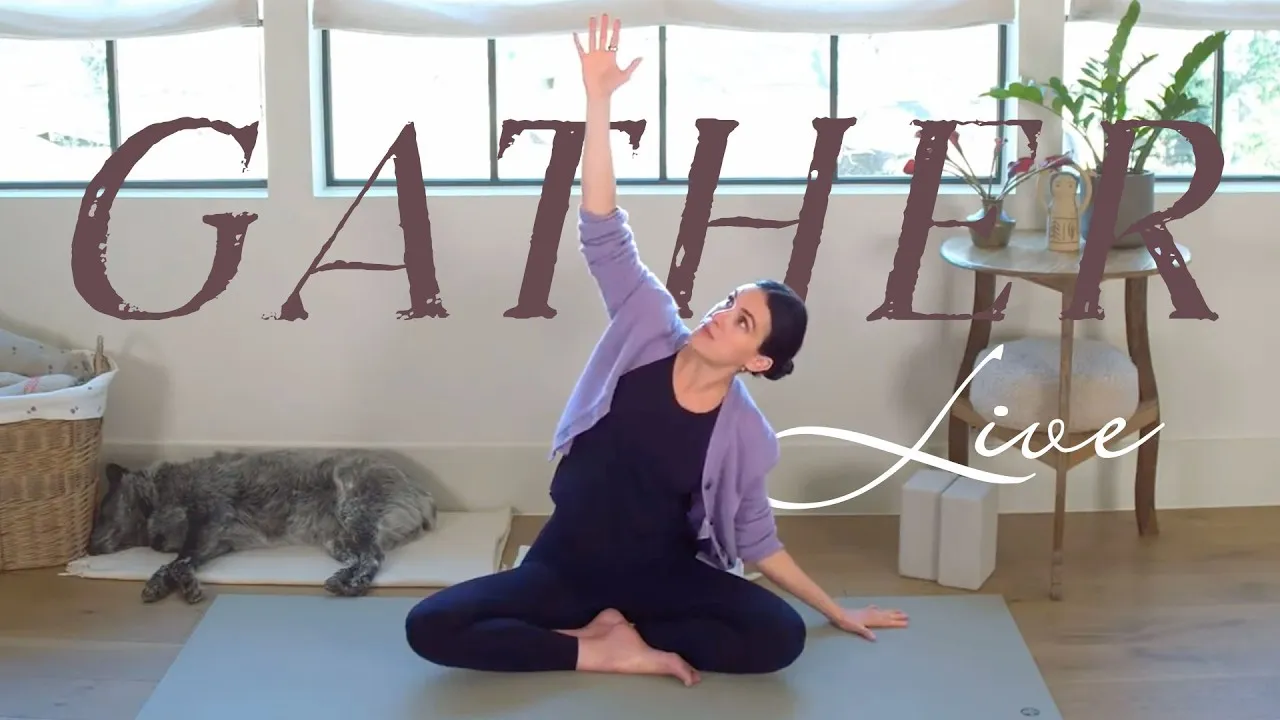
Yoga for Connection: Find Unity Through Movement
In today’s increasingly disconnected world, the practice of yoga offers a powerful pathway to rediscovering a sense of togetherness and collective unity. This article explores how intentional movement and breathwork, as guided by experienced yoga instructor Adrian, can foster a deeper connection to ourselves and others, even when practicing individually. The principles shared are rooted in the idea of returning to our breath, our bodies, and a shared sense of presence.
Embracing the Observer Within
The core of this practice lies in cultivating the role of the ‘observer.’ This means approaching your yoga session with a non-judgmental awareness, simply noticing sensations, thoughts, and feelings as they arise without trying to change or fix them. This mindful observation begins with a gentle body scan, starting from the toes and moving all the way up to the crown of the head. By paying attention to the subtle feedback from your body, you create a foundation for deeper self-awareness and connection.
The Power of Breath and Intention
Breath is the anchor that connects our mind, body, and spirit. The practice emphasizes returning to the breath as a consistent point of focus. Simple movements, like reaching the arms up on an inhale and floating them down on an exhale, become a moving meditation when paired with conscious breathing.
This concept, known as ‘vinyasa,’ translates to ‘to place in a special way,’ highlighting the intention to move with breath and body as one. Setting an intention or a personal prayer at the beginning of practice, often with palms pressed together at the heart (Anjali Mudra), further amplifies the sense of purpose and shared energy.
Cultivating Spaciousness and Ease
Throughout the practice, cues focus on creating ‘spaciousness’ – not just physically, but also mentally. This involves encouraging a gentle lift through the crown of the head, imagining more space along the spine. This physical action is mirrored by the invitation to soften and release tension with each exhale.
Poses like cat-cow, puppy pose, and Sphinx pose are explored with an emphasis on listening to the body’s feedback and responding accordingly. The instruction to practice at ‘80%’ in Sphinx pose encourages a balance between effort and ease, preventing overexertion and promoting mindful awareness.
Finding Stability and Grace
As the practice progresses to standing poses like Mountain Pose (Tadasana) and Warrior I, the focus shifts to finding a balance between ‘stira’ (stability and strength) and ‘sukha’ (ease and softness). This involves grounding through the feet, engaging the core, and maintaining length through the spine, all while allowing for a sense of grace and fluidity.
Even in challenging balancing poses like Tree Pose (Vrikshasana), the emphasis is on finding a personal version that suits your body and experience, whether standing, seated, or even visualized. Support from a wall or chair is always encouraged, reinforcing the idea that yoga is accessible to everyone.
The Community Connection
While the physical practice is individual, the broad theme is one of community and shared experience. The instructor, Adrian, frequently references the ‘shared attention’ of the community, reinforcing the idea that you are not alone.
This collective energy supports individual intentions and prayers, fostering a sense of belonging. The practice concludes with movements that encourage opening the heart and taking up space, symbolizing the outward expression of inner connection and the readiness to engage with the world from a place of unity.
Key Health Takeaways
- Mindful Observation: Cultivate a non-judgmental awareness of your body and thoughts throughout your practice.
- Breath as Anchor: Use your breath to guide your movements and stay present in each moment.
- Balance Effort and Ease: Aim for mindful engagement without pushing yourself to the extreme; listen to your body’s signals.
- Find Your Foundation: Ground yourself in stable poses to build strength and confidence.
- Embrace Community: Recognize the shared energy and connection, even when practicing alone.
- Open Your Heart: Incorporate movements that foster emotional and physical openness.
Who is this Practice For?
This yoga session is designed to be accessible to a wide range of individuals, from those new to yoga to experienced practitioners. Modifications are offered for different comfort levels and physical needs. It is particularly beneficial for anyone seeking to reduce stress, cultivate mindfulness, and foster a greater sense of connection in their lives.
Disclaimer: This article is for informational purposes only and does not constitute medical advice. Always consult with your doctor or a qualified healthcare provider before beginning any new exercise program, especially if you have pre-existing health conditions.
Source: Return Live Practice – Gather (YouTube)