Designer Transforms Counterfeit Garments into Upcycled Fashion
In a creative act of defiance against fast fashion and intellectual property theft, independent designer Cassie Ho has successfully transformed thousands of counterfeit garments, known as ‘dupes,’ into unique, upcycled fashion pieces. This initiative not only tackles the environmental impact of discarded clothing but also highlights the importance of supporting original design and creativity.
The Origin of the ‘Pure Wet Score’ and the Fight Against Dupes
The story begins with Ho’s original design, the ‘Pure Wet Score,’ which gained significant popularity, even being worn by celebrities like Taylor Swift. Following the success of her design, numerous large retail corporations, including Nordstrom, TJ Maxx, Marshalls, Kohl’s, and J. Penney, began producing and selling unauthorized copies, or ‘dupes.’
Ho initiated a legal battle against these companies, which spanned several years. Recently, one of the brands involved agreed to remove all infringing ‘dupes’ from their stores. However, the resolution presented a new challenge: what to do with the thousands of counterfeit items that were slated for destruction.
An Innovative Approach to Waste Reduction
Rather than allowing the fabric to be destroyed, Ho sought a more sustainable and creative solution. “I hate the dupes, but the fabric is innocent,” she stated. She reached out to two fashion designers, Tracy, a thrift-flipping expert, and Kiana, known for her corset designs, proposing they upcycle the discarded garments.
Ho sent the ‘dupes’ to Tracy and Kiana with the freedom to deconstruct and reimagine them. The designers embraced the challenge, turning the counterfeit materials into entirely new, original pieces. This collaboration aimed to demonstrate that even items created through infringement could be repurposed into something valuable and beautiful, promoting a message of sustainability and conscious consumption.
From Counterfeit to Couture: The Upcycled Creations
The results of this collaboration were unveiled, showcasing stunning transformations. Kiana designed a chic bodice with princess seams and a braided strap, featuring a triple ruffle detail. This creation was described as perfect for spring or summer weddings, demonstrating the versatility and high-fashion potential of the upcycled fabric.
Tracy’s contribution was a dress with an exceptional ‘twirlability’ factor, where the fabric moved beautifully, paying homage to the original design of the ‘Pure Wet Score.’ Her transformation highlighted the aesthetic possibilities of repurposing materials, turning a negative into a positive statement about fashion and creativity.
Empowering Independent Design and DIY Culture
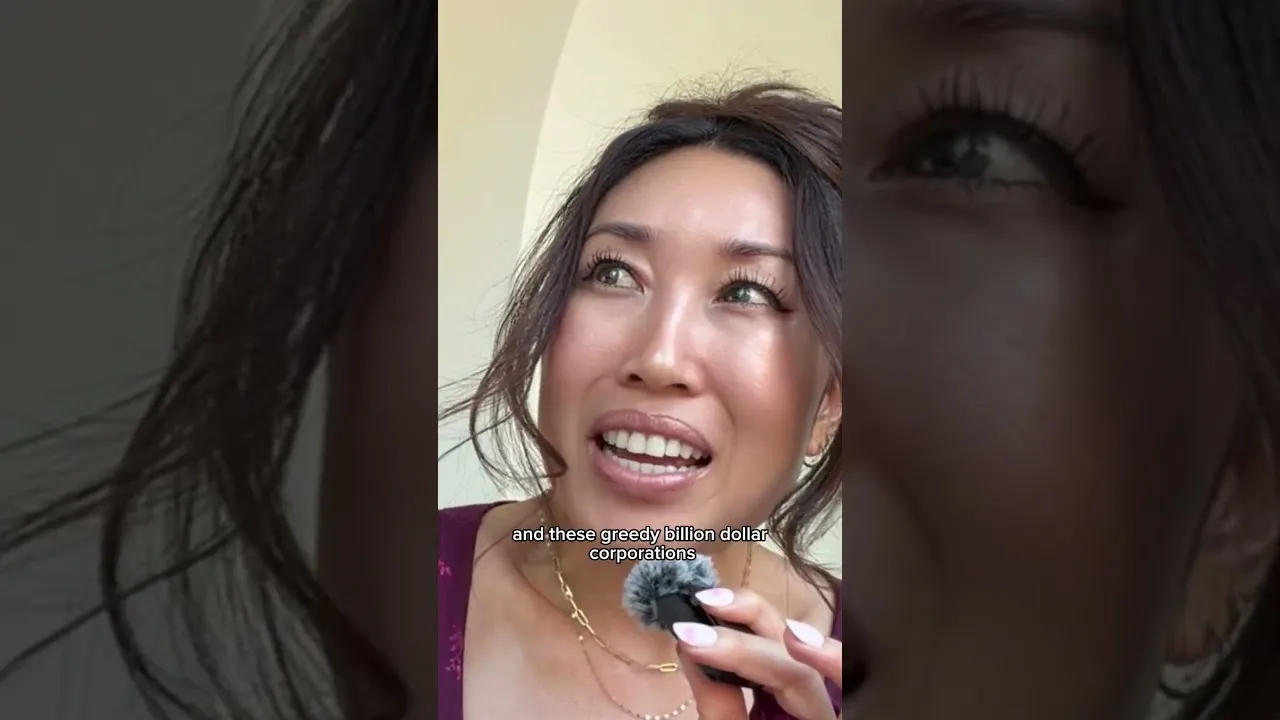
Beyond the aesthetic and environmental benefits, Ho’s initiative is a powerful statement against ‘dupe culture’ and the practices of large corporations that profit from the work of independent artists. “This is about standing up for independent design, standing up for original artwork, and standing up against Duke culture and these greedy billiondollar corporations,” Ho explained.
To further promote this message and empower others, Ho launched DIY upcycle kits available on the Poplex website. These kits include digital patterns from Kiana and Tracy, along with the necessary fabric to create one’s own upcycled dress. One hundred percent of the profits from these kits will be distributed to Kiana and Tracy, supporting their work as independent designers and promoting the broader concept of upcycling.
Ho emphasized her personal goal is not to profit from this project but to clear the warehouse of the unwanted ‘dupes’ and prevent them from contributing to landfill waste. “We are literally seam ripping the souls out of dupes because they should not exist. And if they do, I will continue to destroy them seam by seam,” she declared, underscoring her commitment to combating intellectual property infringement and promoting sustainable fashion practices.
Who Can Benefit from This Information?
This initiative is particularly relevant to fashion enthusiasts, designers, and consumers interested in sustainable practices, intellectual property rights, and the challenges faced by independent creators in the fashion industry. Individuals interested in DIY projects, sewing, and upcycling will find inspiration and resources through the available DIY kits.
Key Health Takeaways
- Support Original Design: Be mindful of the origins of your clothing and support independent designers and artists.
- Embrace Upcycling: Consider creative ways to repurpose old or unwanted clothing to reduce textile waste.
- Combat Fast Fashion: Understand the environmental and ethical implications of fast fashion and choose more sustainable options.
- Promote Creativity: Engage in creative projects like upcycling to foster personal expression and reduce environmental impact.
- Awareness of Intellectual Property: Recognize the importance of design patents and copyright in protecting creators’ work.
Disclaimer
This article is for informational purposes only and does not constitute medical advice. Always consult with a qualified healthcare provider for any health concerns or before making any decisions related to your health or treatment. The information presented here is based on the provided transcript and should not be considered a substitute for professional medical or legal guidance.
Source: Revenge on dupes (YouTube)