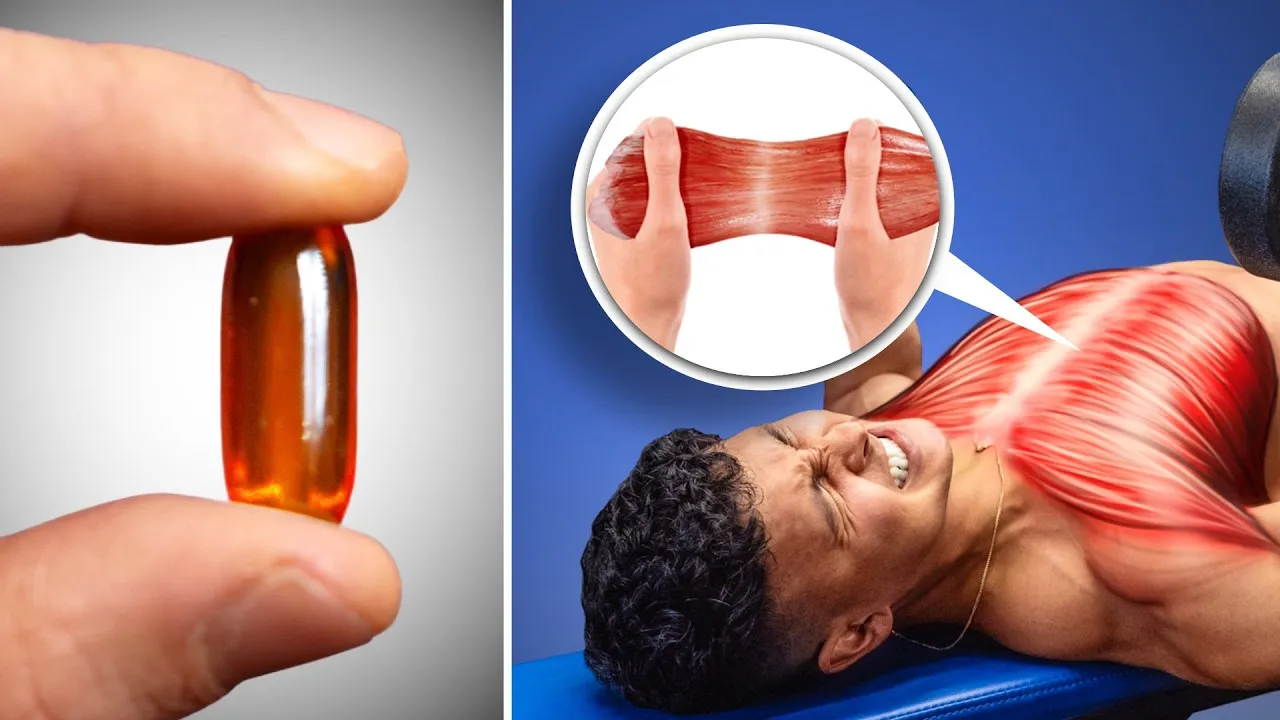
Unlock Your Muscle-Building Potential: The Science Behind Effective Supplements
While protein powder remains a cornerstone for muscle growth, emerging research and expert analysis reveal several other supplements that can significantly accelerate your gains, sometimes even surpassing the effects of protein alone. A deep dive into the science, guided by insights from a doctor of sports nutrition, highlights which supplements offer tangible benefits and which are likely to be a waste of money. The focus is on effectiveness, cost-efficiency, and safety, aiming to maximize muscle hypertrophy without adverse side effects.
Creatine Monohydrate: The Proven Powerhouse
Creatine is frequently hailed as the king of fast-acting muscle-building supplements, and for good reason. Its primary mechanism involves drawing water into muscle cells, leading to a fuller, more ‘pumped’ appearance within weeks. Beyond this aesthetic enhancement, creatine plays a key role in energy production within muscles, leading to improved strength, power, and performance during workouts.
Studies, including a notable one showing a 3-pound boost in lean mass over 8-12 weeks compared to a placebo, support its efficacy. When considering cost-effectiveness, gaining one pound of lean muscle with creatine monohydrate can cost as little as $7.70, making it a highly economical choice.
Addressing the Hair Loss Myth
A persistent concern surrounding creatine is its alleged link to hair loss, stemming from a single 2009 study that observed a slight increase in dihydrotestosterone (DHT), a hormone associated with male pattern baldness. However, subsequent analysis revealed that the participants in that study may have had naturally higher DHT levels from the outset.
Crucially, a recent study published this year was the first to directly measure creatine’s impact on both DHT and actual hair loss, finding no detrimental effects on either. This suggests that the fear of creatine-induced hair loss is largely unfounded, with the stress of worrying about it potentially being more damaging than the supplement itself.
Beware of Ineffective Creatine Forms
The popularity of creatine has led to a proliferation of products like gummies and candies, which often fail to deliver on their promises. Independent lab tests have frequently found these products contain only a fraction of the advertised creatine, or sometimes none at all.
This is due to creatine’s chemical instability when dissolved in water over extended periods, breaking down into creatinine, which is ineffective for muscle growth. Creatine monohydrate, in its powder form, is the most stable and cost-effective option, retaining its potency for years.
Turkesterone: Promising Theory, Lacking Evidence
Turkesterone, derived from plants, has been marketed as a natural alternative to steroids. The theory suggests that plant-derived steroids (ecdysteroids) could promote muscle growth in humans. However, despite its promotion by influencers, rigorous scientific evidence supporting these claims is scarce.
A 2023 study that tested various commercial Turkesterone products found that many contained little to no active ingredient. Even in products that do contain Turkesterone, there is currently insufficient data to demonstrate significant muscle-building benefits. Consequently, Turkesterone is placed in the D tier for its lack of proven efficacy.
HMB Beta-Hydroxy Beta-Methylbutyrate (HMB): Mixed Results
HMB, a substance naturally produced by the body to reduce muscle breakdown and aid recovery, has shown potential for muscle growth. Early studies suggested it could lead to gains comparable to steroids. However, these findings have faced significant scrutiny, with many researchers expressing low confidence in their results.
More recent studies indicate that HMB offers no significant benefit for trained lifters but may provide a small boost (0.5-1 pound of lean mass) for novice lifters. Given its low cost and potential, albeit limited, benefit for beginners, HMB is categorized in C tier.
Protein Powder: A Reliable, Though Not Always Necessary, Aid
Protein powder is a well-researched and safe supplement for muscle growth, particularly when an individual’s dietary protein intake is insufficient. For those consuming less than 0.8-1.0 grams of protein per kilogram of body weight daily, adding 1-2 scoops of protein powder can contribute to an additional 1-2 pounds of lean mass over three months. The cost to gain one pound of lean mass using protein powder averages around $77.
While protein from whole foods like chicken is also effective, protein powder offers convenience and a superior amino acid profile. Both whey and plant-based proteins are considered effective, provided overall protein intake is adequate, placing protein powder in A tier.
Mass Gainers: High Calories, High Cost
Mass gainers are essentially protein powders combined with a significant amount of carbohydrates and sometimes fats, designed to increase caloric intake. They can be beneficial for individuals who struggle to consume enough calories to gain weight, potentially adding an extra pound of size per week.
However, due to their high sugar content and cost, they are often less efficient than simply combining a standard protein shake with other calorie-dense foods. The cost to gain one pound of lean mass can range from $50 to over $300, placing mass gainers in B tier for their questionable cost-effectiveness.
Fish Oil: General Health Benefits Outweigh Muscle Gains
Fish oil, rich in omega-3 fatty acids, is primarily known for its heart and brain health benefits. While some research suggests very high doses might aid recovery and potentially increase muscle growth, particularly in older adults (1-2 pounds of lean mass increase over 12-24 weeks), the effect in younger individuals is minimal.
The cost to gain one pound of lean mass with fish oil is around $105. While recommended for overall health, its direct impact on muscle growth for most people is not substantial enough to place it higher than C tier.
Testosterone Boosters: Largely Ineffective for Muscle Growth
Many supplements marketed as testosterone boosters have shown minimal impact on muscle mass. Studies indicate that typical increases in testosterone within the normal physiological range (up to a 15% boost) are insufficient to significantly drive muscle growth. While they might offer benefits for mood and libido, their effectiveness for building muscle is questionable, landing them in F tier.
However, certain micronutrients like boron, magnesium, and zinc, if deficient in the diet, can support testosterone levels and overall well-being, potentially aiding muscle growth. Supplementing these specific micronutrients can elevate their effectiveness to B tier if a deficiency is identified.
The Power of the Mind: Placebo Effect in Training
The most potent factor in muscle growth, often overlooked, is the psychological aspect – the placebo effect. In a compelling experiment, participants given a sugar pill, believing it was a performance-enhancing steroid, experienced gains three to seven times greater in strength exercises (bench press, squat) over a short period compared to those not receiving the placebo.
This highlights that belief, confidence, and the expectation of results can profoundly influence training intensity and outcomes. This mental component, when dialed in, can be considered S+ tier, demonstrating that mindset can be more impactful than many supplements.
Beyond Supplements: The Pillars of Muscle Growth
Ultimately, the most significant gains in muscle mass come from optimizing training, nutrition, and recovery. Supplements play a supporting role, and even the most effective ones account for only a small fraction of growth potential.
Focusing on a well-structured training program, a balanced diet rich in protein and calories, and adequate rest and recovery can yield five to ten times the results achievable with supplements alone. For a comprehensive guide to maximizing muscle growth through these fundamental principles, explore further resources dedicated to training and nutrition.
Disclaimer: This article is for informational purposes only and does not constitute medical advice. Always consult with a qualified healthcare professional or a registered dietitian before making any decisions about your health or treatment, or before undertaking any new diet or exercise program.
Key Health Takeaways
- Creatine Monohydrate: A highly effective and cost-efficient supplement for increasing strength, power, and lean muscle mass. Fears of hair loss are largely unfounded by current research. Opt for powder form over gummies.
- Protein Powder: Beneficial for individuals with inadequate dietary protein intake, aiding in lean mass gain. Both whey and plant-based options are effective.
- Mindset Matters: The placebo effect demonstrates that belief and expectation can significantly enhance training performance and results.
- Fundamentals First: Prioritize consistent training, balanced nutrition, and sufficient recovery for the most substantial muscle-building outcomes. Supplements should be considered secondary.
- Consult Professionals: Always seek advice from healthcare providers before starting new supplements or altering your diet and exercise routines.
Source: Every Supplement That Builds Muscle Faster Than Protein (YouTube)