Rethink Your Protein Intake for Optimal Muscle Growth
For years, the fitness community has championed high protein intake as the cornerstone of muscle building. The prevailing wisdom suggests that to grow, you must continuously supply your muscles with protein, the fundamental building blocks.
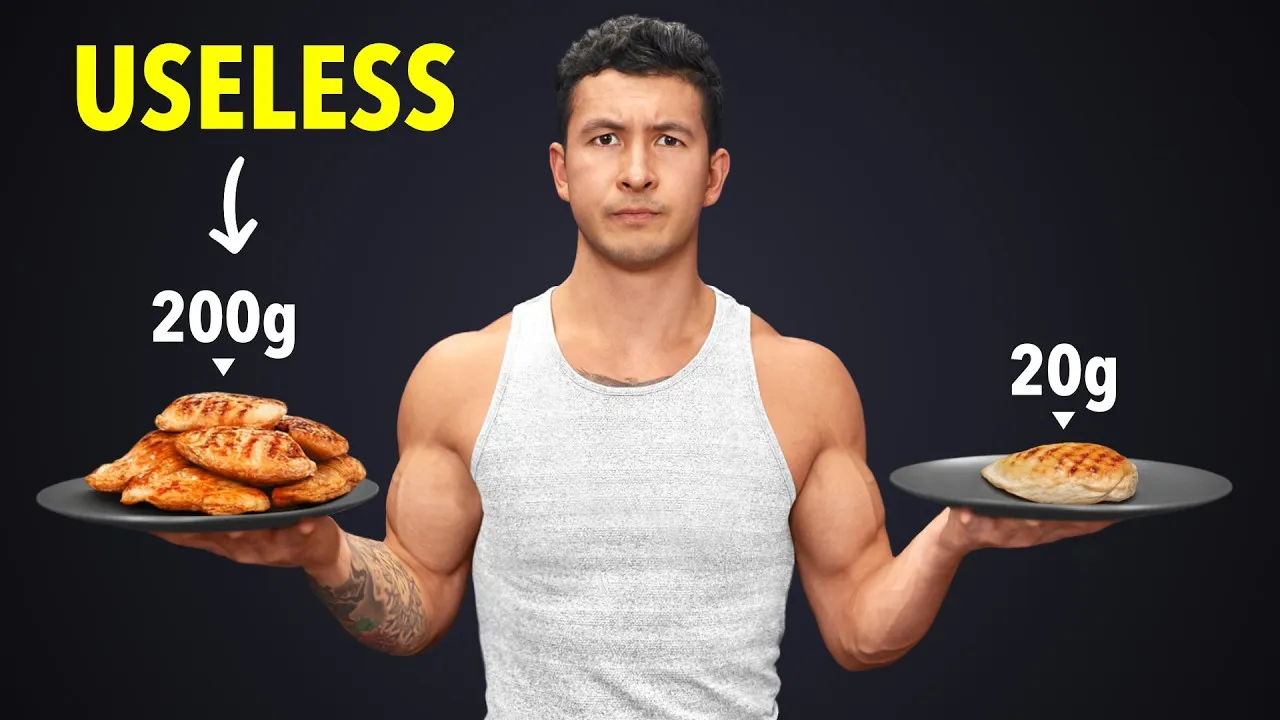
However, emerging research and expert analysis suggest that excessive protein consumption may not only be unnecessary but could potentially hinder muscle growth and offer diminishing returns beyond a certain point. This article digs into the latest findings and highlights the true drivers of muscle hypertrophy: consistent training and adequate caloric intake.
The Protein Obsession: From Necessity to Marketing Hype
The idea that protein is paramount for muscle growth stems from a fundamental biological process. When you engage in resistance training, you stimulate muscle protein synthesis – a signal for your body to repair and build muscle tissue. Protein provides the essential amino acids, the ‘bricks’ needed to construct this new muscle.
However, this understanding has, for many, spiraled into an obsession. Bodybuilders and fitness enthusiasts alike have pushed protein intake to extreme levels, often adhering to rules like consuming 1 gram of protein per pound of body weight daily. This trend has also been capitalized on by the food industry, leading to a proliferation of ‘high protein’ processed foods that command premium prices, often with minimal added nutritional benefit beyond the sprinkled protein.
What the Research Really Says About Protein and Muscle Gain
A comprehensive analysis of 62 long-term studies, conducted by leading protein researchers, sought to quantify the relationship between protein intake and muscle growth in individuals engaged in resistance training. The findings were surprising. When plotting protein intake against muscle growth, the trend line was remarkably flat, especially at moderate to high protein levels.
This suggests that beyond a certain threshold, consuming more protein yields very little, if any, additional muscle gain. Dr. Eric Trexler, a researcher at Duke University specializing in muscle growth, explains this using a construction analogy: having more bricks than a blueprint requires doesn’t result in a bigger house; it simply leaves you with excess materials.
Further evidence comes from the experience of natural professional bodybuilder Alex Leonitis. For 2.5 years, Leonitis transitioned from consuming 200 grams of protein daily to as little as 90 grams, sourced entirely from plant-based foods.
He reported no discernible difference in muscle growth, recovery, or strength. His experience challenges the notion that extremely high protein intake is essential for maximizing gains, even for elite athletes.
The True Pillars of Muscle Growth: Training and Calories
If protein isn’t the sole driver of muscle growth, what is? The research points to two primary factors:
1. Consistent and Progressive Resistance Training
Resistance training is the initial stimulus that signals the body to build muscle. Without the challenging workouts, the body has no reason to increase muscle mass, regardless of nutrient intake. Studies have shown that individuals on extremely low-protein diets (<50g/day) who begin lifting weights can still achieve significant muscle growth (over 20% increase in size and 30% in strength).
2. Sufficient Caloric Intake
Calories provide the energy needed for muscle repair and growth. One study demonstrated that a group consuming a 2,000-calorie shake primarily made of carbohydrates experienced similar muscle and weight gains as a group consuming a 2,000-calorie shake with added protein, both outperforming a control group.
Conversely, when individuals are in a significant caloric deficit (around 500-700 calories below maintenance), muscle loss can occur despite high protein intake. This indicates that adequate energy availability is crucial for preserving and building muscle, especially during fat loss phases.
When Protein Intake Matters Most
While the average lifter may not need excessive protein, there are specific scenarios where optimizing protein intake offers significant benefits:
- Transitioning from Very Low to Moderate Protein: For individuals consuming very low amounts of protein, increasing intake to a moderate level (around 0.55g per pound of body weight) can lead to a noticeable improvement in muscle growth and recovery.
- During Caloric Restriction (Dieting): Protein becomes particularly important when losing weight. Its satiating effect helps manage hunger, and higher protein intake can aid in preserving muscle mass, especially for individuals below 15% body fat.
- Personal Preference and Adherence: For some, incorporating protein-rich foods or supplements is simply part of their dietary enjoyment and makes it easier to meet their overall nutritional goals. Protein supplements can offer a convenient way to boost intake.
Recommended Protein Intake Ranges
Based on current research, the following protein intake ranges are recommended for maximizing muscle gains:
- General Muscle Maximization: 0.55 to 0.72 grams of protein per pound of body weight (approximately 1.2 to 1.6 grams per kilogram). For a 160lb individual, this is roughly 88-115 grams per day.
- For Lean Individuals or Those Seeking Extra Assurance: 0.73 to 1 gram of protein per pound of body weight (approximately 1.6 to 2.2 grams per kilogram). This range is particularly beneficial for those dieting and below 15% body fat or individuals who want maximum reassurance.
It’s important to remember that protein is present in many common foods, including grains, beans, and nuts. Tracking your intake can reveal that you may already be consuming a substantial amount without realizing it.
Potential Downsides of Excessive Protein
Consuming more protein than your body needs can have several drawbacks:
- Reduced Caloric Intake: Protein is highly satiating, which can make it harder for individuals trying to gain weight to consume enough total calories.
- Digestive Discomfort: High protein diets can sometimes lead to gastrointestinal issues like bloating and gas.
- Cost: Protein supplements and high-protein foods are often more expensive. Excess protein that isn’t used for muscle building is essentially burned for energy, making it a costly fuel source compared to carbohydrates.
- Nutrient Displacement: Focusing too heavily on protein can lead to insufficient intake of essential carbohydrates and fats, which are vital for energy, hormone production, and overall health.
Key Health Takeaways
- Prioritize Training: Consistent, challenging resistance training is the primary stimulus for muscle growth.
- Fuel Your Body: Ensure you are consuming enough calories to support your training and recovery.
- Moderate Protein is Often Sufficient: For most individuals, aiming for 0.55-0.72 grams of protein per pound of body weight is likely enough to maximize muscle gains.
- Protein’s Role in Fat Loss: Higher protein intake is beneficial during dieting phases to aid satiety and preserve muscle mass, especially when body fat is low.
- Listen to Your Body: Pay attention to how your body responds to different protein intakes, considering factors like digestion, energy levels, and recovery.
Disclaimer: This article is for informational purposes only and does not constitute medical advice. Always consult with a qualified healthcare professional or registered dietitian before making any significant changes to your diet or exercise routine.
Source: You're Wasting Your Money On Protein (NEW RESEARCH) (YouTube)