Build Muscle Smarter: Light vs. Heavy Weights for Growth
In the quest for muscle growth, a common debate centers on weight intensity: should you lift heavy for fewer reps or lighter for more? A recent 60-day experiment aimed to settle this, comparing the effects of high-intensity, low-rep training (heavy weights) against low-intensity, high-rep training (light weights) on muscle development. The findings suggest that while heavy lifting builds strength, lighter weights might offer a slight edge for overall muscle hypertrophy, particularly when volume is considered.
The Experiment: A 60-Day Challenge
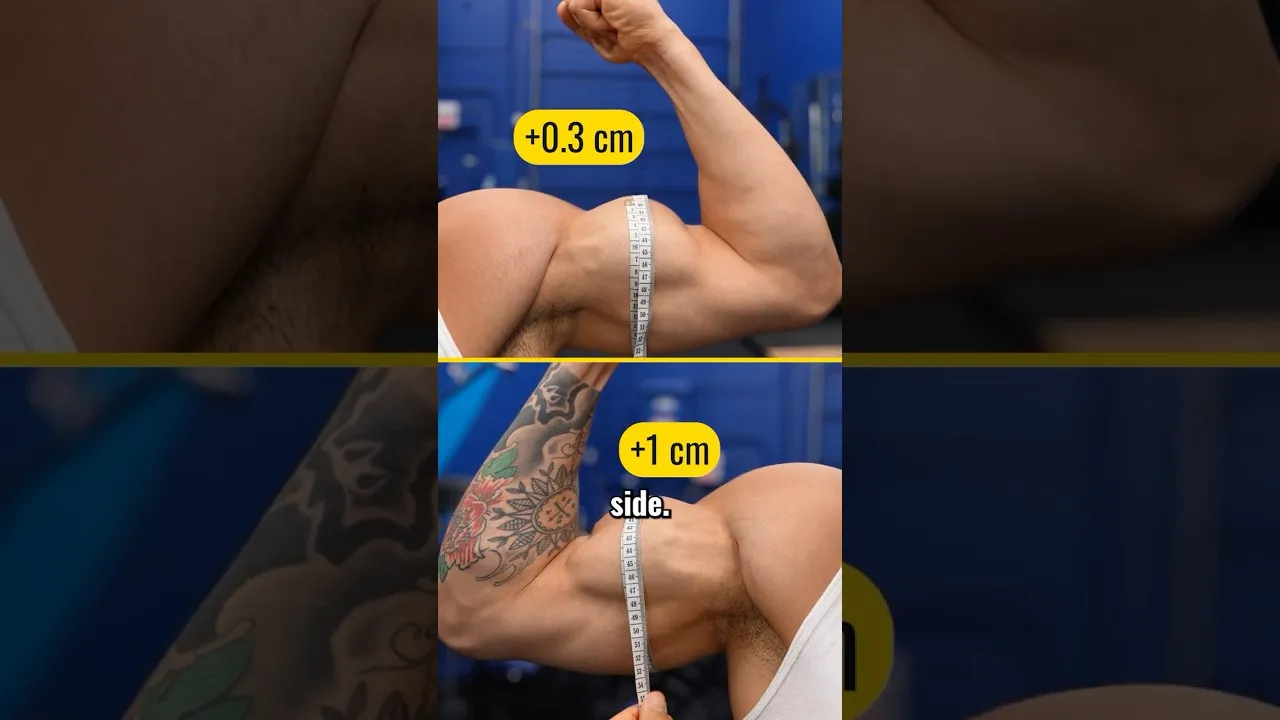
To investigate this, one individual trained half of his body with heavy weights and the other half with lighter weights for two months. The protocol was structured as follows:
- Heavy Training: Aimed for 3-6 repetitions to muscular failure.
- Light Training: Aimed for 15-30 repetitions to muscular failure.
Both sides of the body performed the same number of sets. To objectively measure muscle growth, full-body MRI scans were used, which can detect even subtle changes in muscle mass. A beginner also participated in the experiment to see if the results differed for those new to resistance training.
Strength vs. Endurance: The Immediate Effects
The immediate effects of the training protocols were noticeable. The heavy lifting side led to significant strength gains, as expected. However, this approach came with physical drawbacks, causing discomfort in the knees and elbows for the participant.
The light weight training, on the other hand, appeared to build muscular endurance, allowing for more repetitions. Yet, reaching muscular failure with lighter weights proved to be a mentally taxing process for each set.
Muscle Growth: The MRI Reveals Surprises
While visual changes might be minimal or subjective, the MRI scans provided a more precise picture of muscle hypertrophy. Interestingly, one specific muscle – a deep hip stabilizer – showed growth on the heavy-trained side but actually decreased in size on the light-trained side. This finding raises a point about the potential for muscular imbalances with certain training styles, with the participant noting a subsequent back tweak during deadlifts after the experiment, possibly linked to this imbalance.
However, for most other measured muscles, the MRI scans indicated slightly greater growth on the side trained with lighter weights. Researchers suggest this could be attributed to the higher overall training volume performed on the lighter side (more reps x more sets potentially = more total work). The chest muscles showed the most significant difference, with approximately twice the growth on the lighter-trained side, which the participant speculated might be due to never having trained this muscle group with such high repetitions before.
Beginner Results and Volume’s Role
The beginner participant in the study also experienced slightly more muscle growth on the lighter-trained side. Despite these differences, the actual measured growth was described as tiny, often in the range of just 15 grams, and not visually apparent. This underscores that while training methods can influence growth, the absolute differences might be small, especially over a relatively short period like 60 days.
The Importance of Volume
The results highlight the critical role of training volume – the total amount of work done – in muscle hypertrophy. The lighter weight, higher-rep training likely resulted in greater total volume, which is a known driver of muscle growth. This doesn’t negate the benefits of heavy lifting, particularly for strength development and neural adaptations, but suggests that for maximizing muscle size, a balance or a focus on sufficient volume is key.
Finding the Middle Ground
This experiment tested the extremes. The transcript author points out that a middle ground, typically involving 6-15 repetitions with moderate weight, was not explored. This rep range is often considered a sweet spot for simultaneously building both strength and muscle size for many individuals.
Who Should Consider This Information?
This information is relevant to individuals engaged in resistance training who are looking to optimize their muscle-building strategies. Whether you are a beginner or have been training for a while, understanding how different rep ranges and intensities affect your body can help tailor your workouts. Those experiencing joint pain or discomfort with heavy lifting might find benefits in incorporating more lighter, higher-rep work, provided it’s performed to muscular failure.
Key Health Takeaways
- Volume Matters: Higher training volume, achieved through more repetitions with lighter weights, may lead to slightly greater muscle growth compared to very low-rep, heavy lifting.
- Strength vs. Hypertrophy: Heavy lifting is highly effective for building strength, while lighter lifting to failure might offer a slight advantage for muscle size, especially when volume is high.
- Listen to Your Body: Heavy lifting can increase the risk of joint pain and injury. Lighter training might be a safer alternative for some individuals.
- Avoid Extremes: The 6-15 rep range with moderate weight is often considered a balanced approach for both strength and muscle growth.
- Imbalances Can Occur: Be mindful of potential muscular imbalances, especially with asymmetrical training protocols.
Disclaimer
This article is based on a personal experiment and is for informational purposes only. It does not constitute medical advice. Always consult with a qualified healthcare provider or certified personal trainer before beginning any new exercise program or making significant changes to your current routine, especially if you have any pre-existing health conditions.
Source: LIGHT vs HEAVY Weight: 60 Day Experiment 🤯 (YouTube)