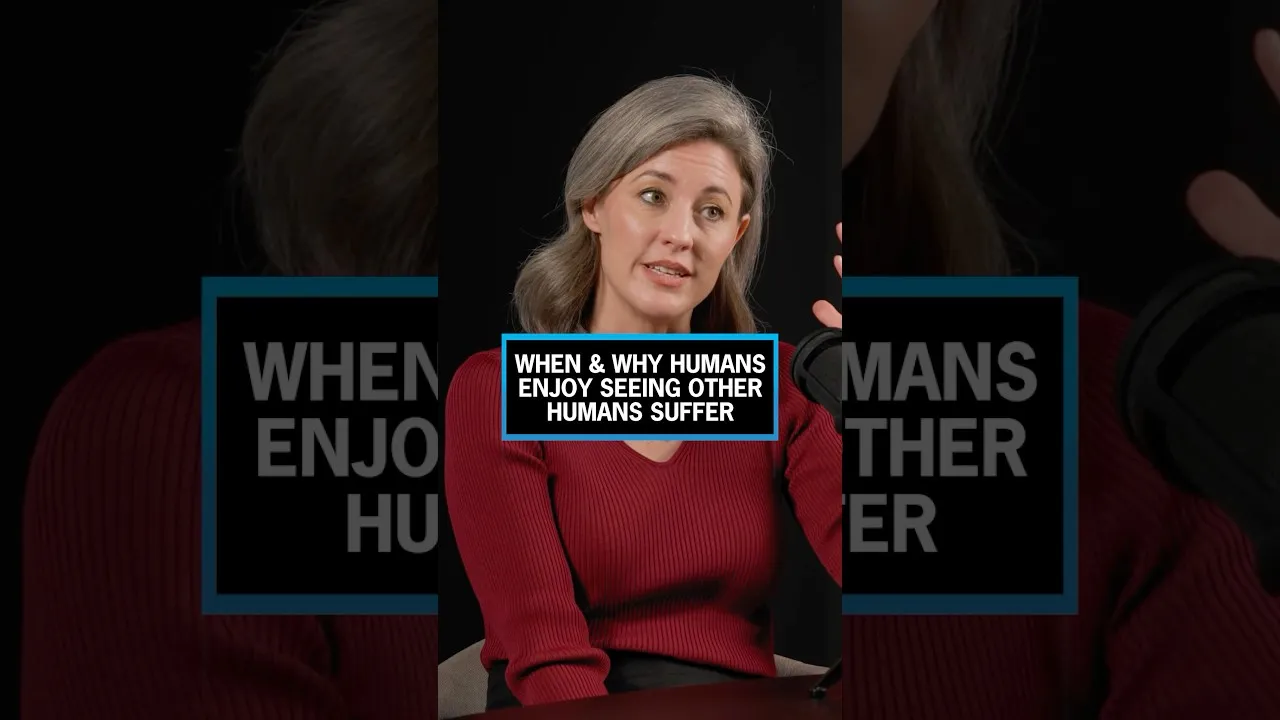
Your Brain Rewards You for Seeing ‘Bad’ People Suffer
New research suggests that witnessing the punishment of individuals perceived as wrongdoers can trigger a powerful reward response in the brain, releasing dopamine, the same neurotransmitter associated with pleasure and motivation. This finding, emerging from studies on how the brain processes social and moral scenarios, offers a glimpse into the complex human emotions that drive our reactions to justice, retribution, and suffering.
The Science of Schadenfreude
Ordinarily, when we see someone experience pain or distress, our brains often mirror that experience. The anterior insula, a brain region involved in empathy and processing emotions, becomes active, making us feel a sense of shared suffering. This is a fundamental aspect of empathy, allowing us to connect with and understand the emotional states of others.
However, a fascinating exception to this empathetic response has been observed. When an individual is first presented as having violated a moral or social norm – essentially, being labeled a “wrongdoer” – and subsequently faces punishment or suffering, the brain’s reaction shifts dramatically.
Instead of empathetic pain, studies indicate a surge of dopamine. This neurochemical reward suggests that seeing perceived wrongdoers experience negative consequences can be pleasurable for some individuals.
This phenomenon taps into what is colloquially known as schadenfreude, the experience of pleasure, joy, or self-satisfaction that comes from learning of or witnessing the troubles, failures, or humiliation of another. While the term is German, the emotion is universal. The recent brain imaging studies provide a biological underpinning for this complex emotion, suggesting it’s not merely a psychological quirk but a neurologically driven experience.
Dopamine: The Brain’s Reward Chemical
Dopamine is a neurotransmitter that plays a key role in the brain’s reward system. It is released when we experience something pleasurable, such as eating good food, engaging in enjoyable activities, or achieving goals.
This release reinforces the behaviors associated with these positive experiences, making us more likely to repeat them. It’s also involved in motivation, learning, and movement.
The discovery that seeing perceived wrongdoers suffer can also trigger dopamine release is significant. It implies that the desire for justice, or perhaps even retribution, can be a powerful motivator, linked to the brain’s fundamental reward pathways. This finding challenges the notion that empathy is always the default response to witnessing suffering, suggesting that our moral judgments and perceptions of fairness can override our instinct to empathize.
Who Does This Apply To?
This research is relevant to understanding a broad spectrum of human behavior, from individual reactions to social events to the collective responses seen in public discourse surrounding crime and punishment. It may help explain why certain forms of entertainment, such as reality television shows featuring conflict or documentaries about criminals facing consequences, can be captivating.
The findings are particularly pertinent when considering societal attitudes towards justice and fairness. When individuals feel that a moral or social order has been violated, the subsequent punishment of the perceived transgressor can trigger this reward response. This doesn’t necessarily mean people are inherently malicious, but rather that our brains are wired to respond to perceived transgressions and their consequences in ways that can be rewarding, especially when those consequences align with our sense of justice.
Potential Implications and Further Research
The implications of this research are far-reaching. Understanding the neurological basis of schadenfreude and the reward associated with witnessing the punishment of wrongdoers could clarify various social phenomena, including vigilantism, the satisfaction derived from public shaming (often amplified by social media), and even aspects of political polarization.
Further research is needed to explore the nuances of this dopamine response. For instance, how do individual differences in moral beliefs, personal experiences, and empathy levels influence the strength of this reward? What are the long-term societal impacts of a population that may derive pleasure from the suffering of those deemed ‘bad’?
While the research highlights a fascinating aspect of human psychology and neurobiology, it’s crucial to maintain a balanced perspective. Empathy remains a vital component of human connection and societal functioning. This finding does not negate the importance of compassion but adds another layer to our understanding of how we process justice, fairness, and the suffering of others.
Key Health Takeaways
- Witnessing the punishment of individuals perceived as wrongdoers can activate the brain’s reward system, releasing dopamine.
- This response contrasts with the typical empathetic reaction to seeing someone suffer, where brain regions associated with shared pain are activated.
- The phenomenon is linked to schadenfreude, the pleasure derived from the misfortune of others, and is now supported by neurobiological evidence.
- Understanding this dopamine response can offer insights into societal attitudes towards justice, fairness, and retribution.
- While this reward pathway exists, empathy and compassion remain crucial for human connection and societal well-being.
Disclaimer: This article is for informational purposes only and does not constitute medical advice. Always consult with a qualified healthcare provider for any health concerns or before making any decisions related to your health or treatment.
Source: Dopamine When You See Certain People Harmed (YouTube)