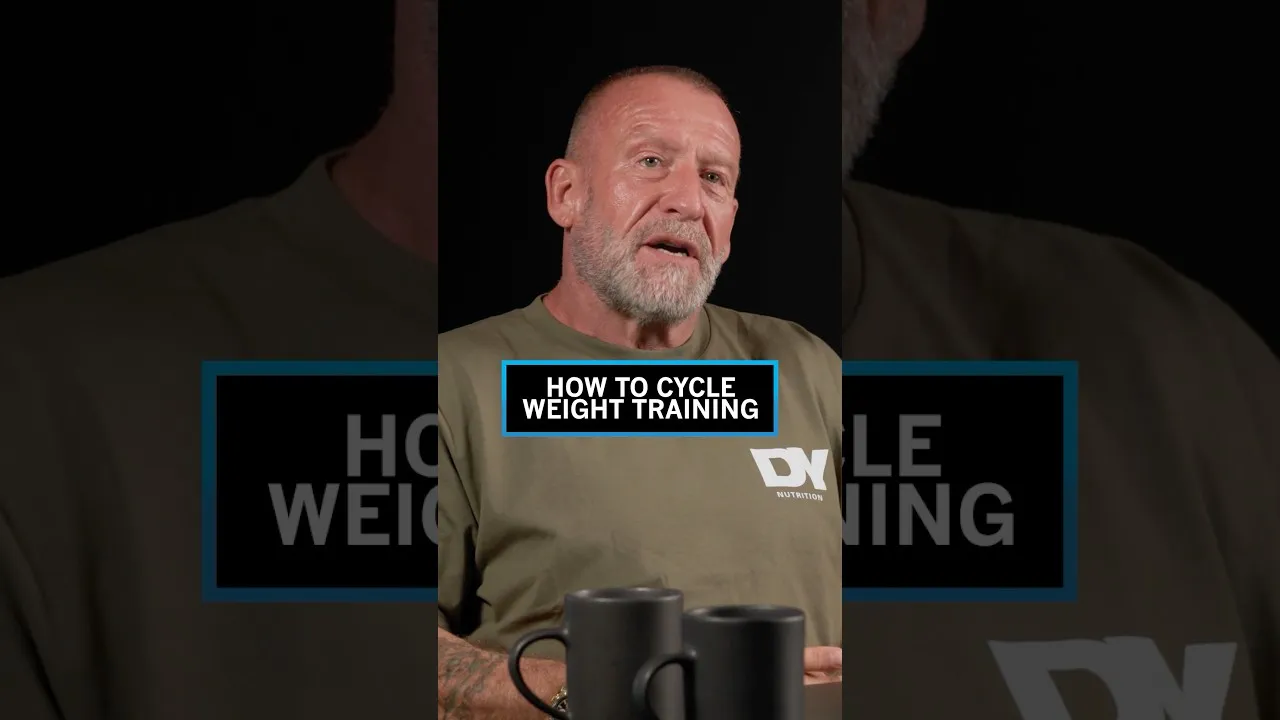
Boost Strength & Recovery: Cycle Your Workouts
For individuals engaged in consistent and intense weight training, incorporating strategic periods of reduced intensity, often referred to as “cycling” or “deloading,” can be a powerful tool for enhancing long-term progress and preventing burnout. This approach, popularized by elite athletes and coaches, involves alternating between periods of high-intensity training and periods of lower intensity or active recovery. The goal is to allow the body to recover and rebuild, leading to greater strength gains and improved performance over time.
Understanding the ‘Sawtooth’ Training Method
The concept of cycling workouts can be visualized as a “sawtooth” pattern. This involves training at a high, near-maximal intensity for a block of several weeks, typically five to six weeks, followed by a shorter period of reduced intensity, lasting about two weeks. During this “deload” phase, the focus shifts from pushing to failure to maintaining muscle activation and promoting blood flow, without significant stress on the body.
What Happens During a Deload Phase?
During a deload period, the emphasis is not on complete rest from exercise, but rather on significantly reducing the training load. This means lifting much lighter weights, performing fewer sets and repetitions, and avoiding exercises that push you to muscular failure. The primary objectives are to allow the neuromuscular system and connective tissues to recover, reduce systemic fatigue, and prevent overuse injuries, while still maintaining a level of physical activity to keep the body engaged.
The Benefits of Strategic Rest
The physiological benefits of incorporating deload weeks are substantial. Intense training places significant stress on the muscles, central nervous system, and joints. Without adequate recovery, this chronic stress can lead to a plateau in strength gains, increased risk of injury, and mental fatigue, commonly known as burnout.
A deload phase provides the necessary respite for the body to repair micro-tears in muscle tissue, replenish energy stores, and adapt to the training stimulus. This adaptation process is crucial for building strength and muscle mass. As demonstrated in anecdotal accounts from experienced trainers and athletes, a brief period of reduced training can often lead to a noticeable increase in strength and performance upon returning to higher intensity workouts, precisely because the body has had a chance to fully recover and rebuild.
When to Consider Cycling Your Workouts
The decision to implement a deload phase should be based on your body’s signals and training history. Athletes who are consistently training at high intensities, pushing their limits, or experiencing symptoms of overtraining should consider cycling their workouts. Symptoms of overtraining can include persistent fatigue, decreased motivation, difficulty sleeping, increased irritability, and a plateau or decline in performance.
For many, a structured approach of five to six weeks of hard training followed by two weeks of deloading can be effective. Taking a full week off from the gym a couple of times a year can also be highly beneficial for overall recovery and preventing long-term fatigue.
Who Can Benefit?
This training strategy is particularly relevant for individuals who are:
- Engaged in regular, structured weight training programs.
- Aiming for progressive overload and strength gains.
- Experiencing signs of overtraining or performance plateaus.
- Looking to prevent injuries associated with high-volume, high-intensity training.
While the general principles apply broadly, the specific duration and intensity of deload phases may need to be adjusted based on individual factors such as training experience, age, recovery capacity, and overall health status.
Key Health Takeaways
- Implement a “Sawtooth” Training Pattern: Alternate between 5-6 weeks of high-intensity training and 2 weeks of reduced intensity (deloading).
- Focus on Recovery During Deloads: In deload weeks, reduce weight and intensity significantly, focusing on blood flow and maintenance rather than pushing to failure.
- Listen to Your Body: Pay attention to signs of fatigue, decreased performance, or burnout, which may indicate a need for a deload or a complete rest week.
- Strategic Rest Enhances Performance: Allowing your body adequate time to rest and rebuild during deload phases can lead to increased strength and improved long-term progress.
- Consider Full Rest Weeks: Incorporating a full week off from training a couple of times a year can be highly beneficial for resetting the body and mind.
Consulting with Experts
While this article provides general guidance based on common training principles, it is essential to consult with a qualified healthcare professional or a certified personal trainer before making significant changes to your workout routine. They can help tailor a program that suits your individual needs, health status, and fitness goals, ensuring that you train safely and effectively.
Disclaimer: This article is for informational purposes only and does not constitute medical advice. Always seek the advice of your physician or other qualified health provider with any questions you may have regarding a medical condition.
Source: Dorian Yates: How to Cycle Weight Training (YouTube)