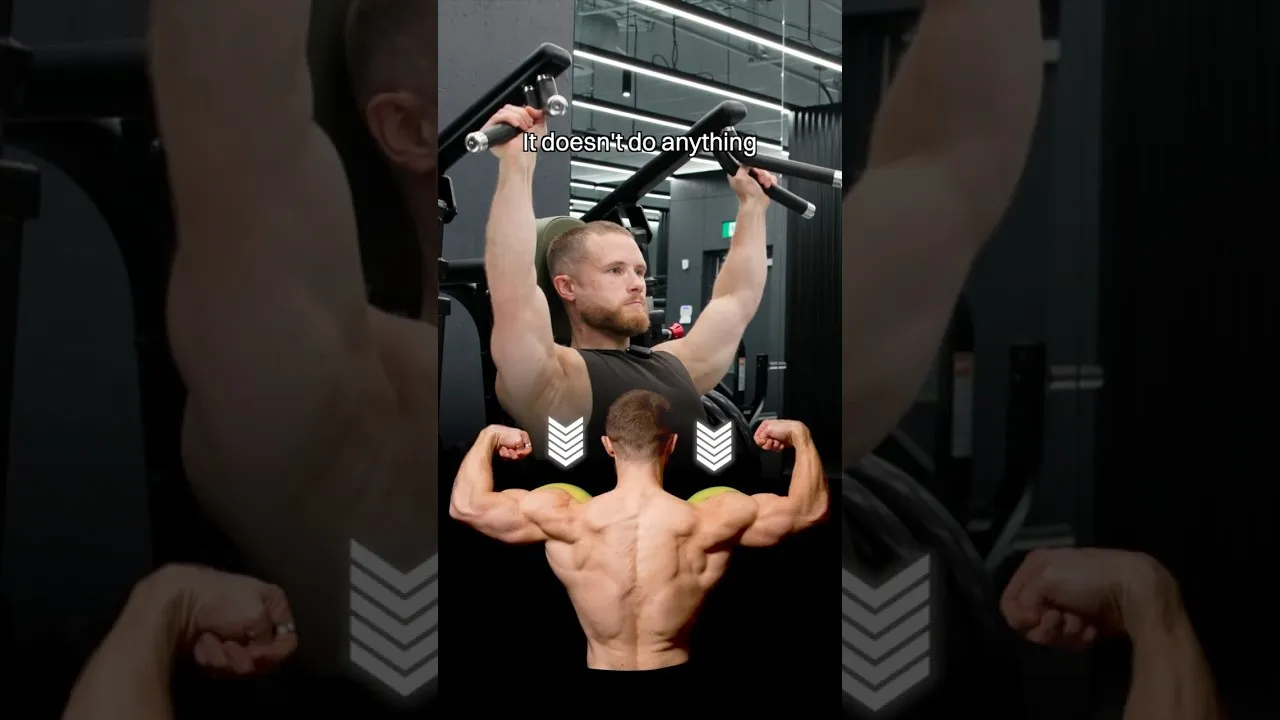
Rethinking Your Shoulder Workout: The Shoulder Press Surprise
For years, the standard advice for building broad, strong shoulders has centered around exercises like the overhead shoulder press. Many fitness enthusiasts believe this movement primarily targets the front of the shoulder (anterior deltoid), with minimal impact on the side (lateral deltoid) and rear (posterior deltoid) heads. However, new insights, grounded in muscle activation analysis, suggest this common understanding might be incomplete, revealing a more significant role for the shoulder press in developing the side deltoids than previously thought.
Understanding Shoulder Anatomy and Movement
The deltoid muscle, which gives the shoulder its rounded appearance, is composed of three distinct heads: the anterior (front), lateral (side), and posterior (rear). Each head contributes to different movements of the arm. The anterior deltoid assists in flexing and internally rotating the arm, the lateral deltoid is primarily responsible for abducting the arm (lifting it away from the body), and the posterior deltoid helps with extending and externally rotating the arm.
The conventional wisdom regarding the overhead shoulder press is that its vertical pressing motion aligns most effectively with the fibers of the anterior deltoid. This alignment allows the front deltoid to generate the most force, leading to the assumption that it receives the bulk of the stimulus. Consequently, exercises specifically targeting the side and rear deltoids, such as lateral raises and face pulls, are often recommended to achieve balanced shoulder development.
Investigating Muscle Activation with EMG
To challenge this prevailing notion, a recent analysis utilized electromyography (EMG) to measure the electrical activity of the shoulder muscles during a maximal effort set of the shoulder press. EMG technology can provide objective data on how hard specific muscles are working during an exercise. The experiment involved two individuals, including fitness influencer Will Tennyson, who performed the shoulder press while EMG electrodes were attached to their anterior, lateral, and posterior deltoid muscles.
The researchers hypothesized that the EMG readings would confirm high activation in the front deltoids, low activation in the rear deltoids, and negligible activation in the side deltoids. This aligns with the traditional understanding of the exercise’s biomechanics.
Surprising Findings: The Side Delt’s Unexpected Role
The results of the EMG analysis yielded a surprising outcome. While the front deltoid did indeed show high muscle activation, as anticipated, the lateral deltoid also exhibited remarkably high activity. In fact, for one of the participants, the peak activation in the side deltoid was even greater than that observed in the front deltoid.
The rear deltoid showed low activation, consistent with expectations. The researchers, initially taken aback by the significant side delt activation, decided to replicate the experiment on themselves. The findings were consistent: high activation was recorded in both the front and side deltoid heads during the shoulder press.
While EMG data primarily reflects immediate muscle activation and doesn’t directly predict long-term muscle growth or hypertrophy, these findings are highly significant. They suggest that the overhead shoulder press may be a more comprehensive exercise for shoulder development, contributing substantially to the growth of both the front and side deltoid muscles, than commonly believed.
Implications for Your Training Routine
These findings have practical implications for anyone looking to develop well-rounded, strong shoulders. If the shoulder press significantly engages the side deltoids, it could mean that the necessity for extensive isolation work for this muscle group might be overstated, especially for individuals performing the press consistently and with good form.
This doesn’t mean that exercises like lateral raises are obsolete. They still play a key role in targeting the lateral deltoids, particularly for individuals who may not experience high activation from the press or who wish to further emphasize this area for aesthetic or performance reasons. However, it does suggest that incorporating the shoulder press effectively into a routine can contribute significantly to overall shoulder width and development.
For individuals seeking to improve their shoulder strength and aesthetics, focusing on proper form during the shoulder press is paramount. This includes maintaining a stable core, controlling the weight throughout the movement, and ensuring a full range of motion. Experimenting with variations of the shoulder press, such as the dumbbell shoulder press or the Arnold press, might also elicit slightly different activation patterns, but the core finding regarding significant side delt engagement appears robust.
Who Should Pay Attention to This Research?
This information is relevant to a broad audience, including:
- Recreational Lifters: Individuals aiming to build stronger, more aesthetically pleasing shoulders.
- Athletes: Those whose sports require powerful and stable shoulder joints, such as in throwing, swimming, or overhead sports.
- Bodybuilders: Individuals focused on maximizing muscle hypertrophy and achieving balanced physique development.
- Individuals with Shoulder Pain (with caution): While this research focuses on activation, understanding muscle engagement can inform rehabilitation and strengthening protocols. However, anyone experiencing shoulder pain should consult a healthcare professional before modifying their exercise routine.
Key Health Takeaways
- Shoulder Press is More Comprehensive: Contrary to popular belief, the overhead shoulder press significantly activates not only the front deltoids but also the side deltoids.
- Re-evaluate Isolation Work: You might be getting more out of your shoulder presses for side delt development than you realized, potentially reducing the need for excessive isolation exercises.
- Form is Crucial: Proper technique during shoulder presses is essential to maximize muscle activation and prevent injury.
- Balanced Approach: While the shoulder press is effective, a balanced shoulder routine may still include specific exercises for all three deltoid heads for optimal results.
Disclaimer
This article is for informational purposes only and does not constitute medical advice. The findings discussed are based on a specific muscle activation study and may not apply to everyone. Always consult with a qualified healthcare provider or certified fitness professional before beginning any new exercise program or making changes to your current routine, especially if you have any pre-existing health conditions or injuries.
Source: Everyone Is Confused About Shoulder Training (YouTube)