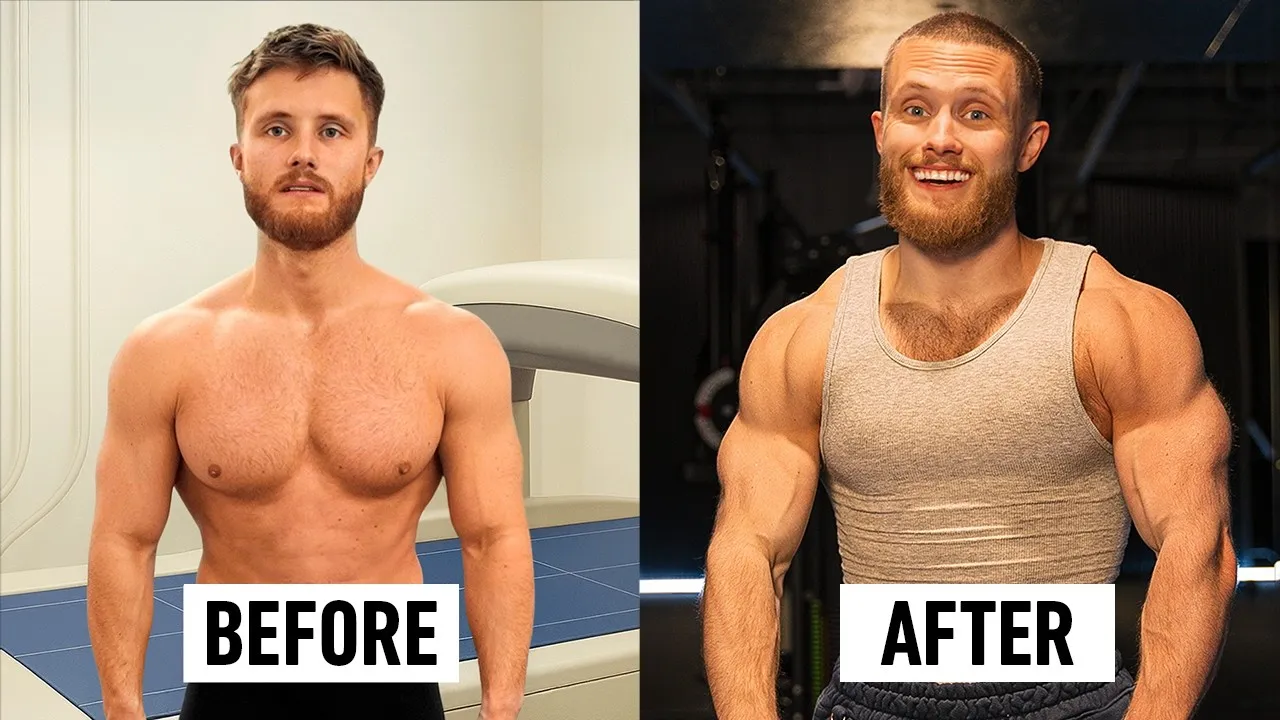
Build 3D Shoulders: 7 Expert Tips for Maximum Growth
Developing well-rounded, impressive shoulders, often described as “3D delts,” is a common goal for many fitness enthusiasts. While consistency and hard training are foundational, specific techniques can significantly enhance shoulder development. This article outlines seven tips, ranging from common practices to more obscure strategies, to help you maximize your shoulder growth, drawing on expert insights and scientific understanding.
1. Minimize Trap Involvement
A frequent issue in shoulder training is the overactivity of the trapezius muscles, which can take tension away from the deltoids. While some argue that any tension leading to failure is beneficial, many find that their deltoids become less engaged when traps dominate the movement. This is particularly relevant for individuals who wish to avoid a bulky upper back or trap development.
A highly effective cue to promote side delt activation over trap involvement is to visualize scooping sand outwards with a long shovel. This mental image encourages keeping the shoulders down and sweeping the weight laterally, engaging the side delts more directly. Anecdotal evidence from gym-based experiments suggests that this cue leads to a greater perceived activation of the side deltoids compared to simply focusing on lifting the weight.
2. Increase Shoulder Training Frequency
Many individuals train their shoulders only once or twice a week. However, research and expert opinion suggest that higher frequency training can be more effective for muscle growth.
The amount of effective volume a muscle can handle in a single session is limited, likely capping out around six to eight sets, with diminishing returns beyond that. A recent meta-analysis suggests this cap might be as high as 11 sets per muscle per workout, but the benefit per set decreases significantly after six.
Spreading your total weekly shoulder volume across three to four sessions per week, rather than concentrating it into one or two, can lead to better results. While recovery is a concern, shoulders are generally quick to recover and rarely become excessively sore. Training them with moderate volume (3-6 sets) multiple times a week is often well-tolerated, especially when focusing on isolation exercises like lateral raises and rear delt flies.
3. Prioritize a Strong Shoulder Press
A robust shoulder press, whether using a machine, dumbbells, or barbells, is crucial for building shoulder mass. The principle of progressive overload—gradually increasing the weight lifted over time—is key.
By consistently increasing the weight on your shoulder press over a year, you enhance mechanical tension, a primary driver of hypertrophy. Increased strength in an exercise often indicates an increase in contractile tissue.
While some argue that vertical presses primarily target the front deltoids, which are already worked during horizontal pressing movements, EMG studies suggest that side delts are also significantly activated during overhead presses. A strong, progressive shoulder press provides a reliable way to continually add mechanical tension, especially as isolation exercises like lateral raises become harder to progressively overload.
4. Reduce Body Fat for a Leaner Look
Achieving a “3D” appearance for your shoulders is significantly influenced by overall body composition. When you reduce body fat, particularly around the midsection, your shoulders appear broader and more defined. Lower body fat levels create deeper visual separation between the different heads of the deltoid muscle, enhancing the illusion of size and roundness.
Focusing on nutrition and achieving a lower body fat percentage can dramatically improve the aesthetic of your shoulders, even without altering your training regimen. Tools and apps designed for macro tracking can be beneficial in this process.
5. Train Muscles Through Various Lengths
Research indicates that training muscles at their lengthened positions can promote significant muscle growth, with studies showing 130-190% more growth in some muscle groups when trained in a stretched state. For the deltoids, this means incorporating exercises that emphasize the stretch, not just the contraction.
While some research comparing dumbbell and cable lateral raises (which offer different tension profiles at various muscle lengths) found no difference in growth, it’s still advisable to include exercises that target both shortened and lengthened ranges of motion. To emphasize the lengthened position:
- Shoulder Presses: Increase the range of motion by lowering the weight as deep as comfortably possible.
- Lateral Raises: Use cables and sweep the weight across the body, extending the range of motion. Crossbody cable Y raises or incline dumbbell Y raises can offer a significant stretch.
- Rear Delt Flies: Ensure you are crossing your arms over your body and sweeping the weight back to achieve a full stretch.
By incorporating movements that allow for a greater stretch, you can stimulate growth in underutilized fibers.
6. Employ Appropriate Progression Schemes
Progressive overload is fundamental for continued muscle growth. However, the method of progression should match the exercise type.
For compound, heavy lifts like the shoulder press, linear progression (adding a small amount of weight each week) is effective. Incorporating a deload week every 4-8 weeks can aid recovery.
For isolation exercises such as lateral raises and rear delt flies, linear progression is often unrealistic due to the smaller increments of weight used. In these cases, double progression is more suitable. This involves choosing a rep range (e.g., 10-12 reps) and starting with a weight that allows you to hit the lower end of the range.
As you get stronger, aim to increase the reps within that range. Once you reach the top of the rep range for all sets, increase the weight and start again at the lower end of the rep range. When even adding a single rep becomes difficult with good form, consider switching to a new exercise variation (e.g., from dumbbells to cables) to continue progressing.
7. Target All Seven Deltoid Segments
Recent anatomical research has revealed that the deltoid muscle is more complex than the traditional anterior, lateral, and posterior heads. It comprises seven distinct intramuscular segments, each with its own tendon and slightly different function. Understanding this complexity allows for more targeted training.
To effectively stimulate all segments, incorporate exercises that target the planes of movement between the standard front, side, and rear delt exercises. Examples include:
- Incline Dumbbell Y Raises: To bias segments A2 and A3, lift upwards and outwards in a “Y” shape.
- 45° Cable Rear Delt Pulls: For segments P1 and P2, pull the weight down and back at a 45° angle across the body.
By training the shoulder joint through its full range of motion and in all three dimensions, you can ensure comprehensive development of all deltoid segments, leading to truly “3D” shoulders.
Key Health Takeaways
- Engage Side Delts: Use cues like “scooping sand outwards” to focus on side delt activation and minimize trap involvement during lateral movements.
- Increase Frequency: Train shoulders 3-4 times per week, spreading volume across sessions rather than concentrating it.
- Progress Overhead Press: Focus on getting stronger on a vertical press using progressive overload.
- Lower Body Fat: Reducing overall body fat enhances the definition and appearance of shoulder muscles.
- Vary Muscle Lengths: Include exercises that emphasize both the stretched (lengthened) and contracted (shortened) positions of the deltoid.
- Smart Progression: Use linear progression for heavy presses and double progression for isolation exercises like lateral raises.
- Target All Segments: Incorporate specialized movements to stimulate the seven distinct segments of the deltoid muscle.
Disclaimer: This information is for educational purposes only and does not constitute medical advice. Always consult with a qualified healthcare provider or certified personal trainer before beginning any new exercise program or making changes to your current routine. They can help assess your individual needs and ensure exercises are performed safely and effectively.
Source: How I Blew Up My Shoulders (YouTube)