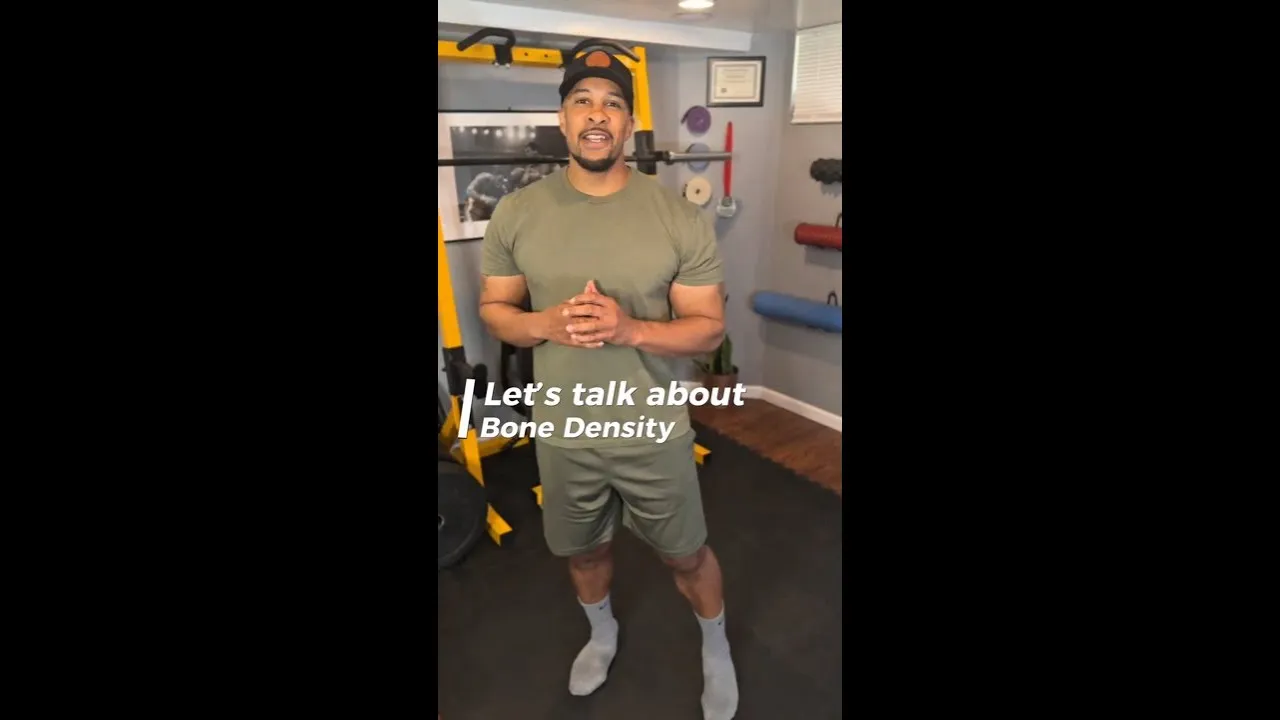
Build Stronger Bones: Top Exercises to Fight Bone Loss
Maintaining strong bones is crucial throughout our lives, especially as we age. Natural bone density loss is a common concern, but a targeted exercise approach can significantly help slow or even halt this process. Experts recommend a powerful combination of weight-bearing exercises, impact activities, and strength training to keep your skeletal system robust.
Understanding Bone Density and Aging
Bone density refers to the amount of calcium and other minerals in your bones. Higher bone density means stronger, less brittle bones.
Unfortunately, after reaching peak bone mass in our late twenties or early thirties, bone density naturally begins to decline. This decline can accelerate with age, increasing the risk of osteoporosis, a condition characterized by weakened bones that are more susceptible to fractures.
The Power Duo: Weight-Bearing and Strength Training
The most effective strategy for preserving and enhancing bone density involves two primary types of exercise: weight-bearing activities and strength training. Weight-bearing exercises are those where you work against gravity while staying upright. Strength training involves using resistance to build muscle mass, which in turn supports your bones.
Weight-Bearing Exercises
These exercises force your body to support its own weight, stimulating bone-building cells. Examples include:
- Walking
- Running
- Dancing
- Hiking
- Jumping rope
Strength Training
Strength training, also known as resistance training, uses forces like weights, resistance bands, or your own body weight to build muscle. This process also stresses your bones, prompting them to become denser and stronger.
Recommended Exercises for Bone Health
According to fitness experts, incorporating specific exercises can target key areas prone to bone density loss. Here are some highly recommended movements:
1. Squats
Squats are a fundamental compound exercise that engages multiple muscle groups in your lower body and core. Performing squats places a significant load on your hips, legs, and spine, effectively stimulating bone growth in these critical areas. This weight-bearing movement challenges your skeletal structure, encouraging it to adapt and strengthen.
2. Lunges
Lunges are excellent for building strength and improving balance. By shifting your weight onto one leg at a time, lunges place a concentrated load on the hip and leg bones. This unilateral (one-sided) movement not only enhances muscle strength but also challenges your proprioception and stability, which are vital for preventing falls, a major risk factor for fractures in individuals with lower bone density.
3. Deadlifts (or Hip Hinge Exercises)
The deadlift is a powerful exercise that works the entire posterior chain, including the hamstrings, glutes, and lower back. Hip hinge movements, in general, are crucial for strengthening the hips and the entire back structure. By lifting a weight from the floor or performing a controlled hip bend, you are applying significant stress to the bones in your hips and spine, promoting density and resilience.
4. Impact Exercises
Our bones respond positively to impact. The stress from impact signals the bone cells to become more robust. This can range from low-impact to high-impact activities:
- Low-Impact: Heel drops involve simply lifting your heels off the ground and then dropping them back down. This provides a gentle but effective impact.
- High-Impact: Jump squats, plyometric lunges, or even jumping jacks involve more forceful impacts. These activities are highly effective at stimulating bone formation but should be approached with caution, especially if you have existing bone conditions or are new to exercise.
The key is to introduce controlled impact that your bones can adapt to. Starting with lower intensity and gradually progressing is recommended.
Who Should Focus on Bone Density?
While everyone benefits from strong bones, certain groups should pay particular attention:
- Older Adults: As bone density naturally declines with age, this group is at higher risk for osteoporosis and fractures.
- Postmenopausal Women: The drop in estrogen levels after menopause significantly speeds up bone loss.
- Individuals with a Family History of Osteoporosis: Genetics can play a role in bone health.
- People with Certain Medical Conditions: Conditions like rheumatoid arthritis, celiac disease, or inflammatory bowel disease can affect bone health.
- Individuals on Certain Medications: Long-term use of corticosteroids, for example, can impact bone density.
Key Health Takeaways
- Combine weight-bearing exercises and strength training for optimal bone density benefits.
- Incorporate compound movements like squats, lunges, and hip hinges (e.g., deadlifts) to strengthen hips, legs, and spine.
- Include impact exercises, starting with low-impact options like heel drops and gradually progressing to higher-impact activities if appropriate.
- Consistency is key; aim for regular exercise sessions to maintain bone health over time.
- Listen to your body and consult with a healthcare professional before starting any new exercise program, especially if you have pre-existing health conditions.
Consult Your Doctor
This article provides general information and is not a substitute for professional medical advice. Always consult with your doctor or a qualified healthcare provider before beginning any new exercise program or making any changes to your health routine. They can assess your individual needs and risks and provide personalized recommendations.
Source: Best Workouts for Bone Density (YouTube)