Unlock Better Hip Function with This Targeted Mobility Routine
Struggling with stiff hips or seeking to enhance your lower body’s stability and range of motion? A new mobility routine, developed by fitness experts at Fitness Blender, offers a practical and effective approach using common household items. This workout focuses on improving both hip mobility and pelvic stability, crucial components for everyday movement, athletic performance, and injury prevention.
The Power of Props for Hip Health
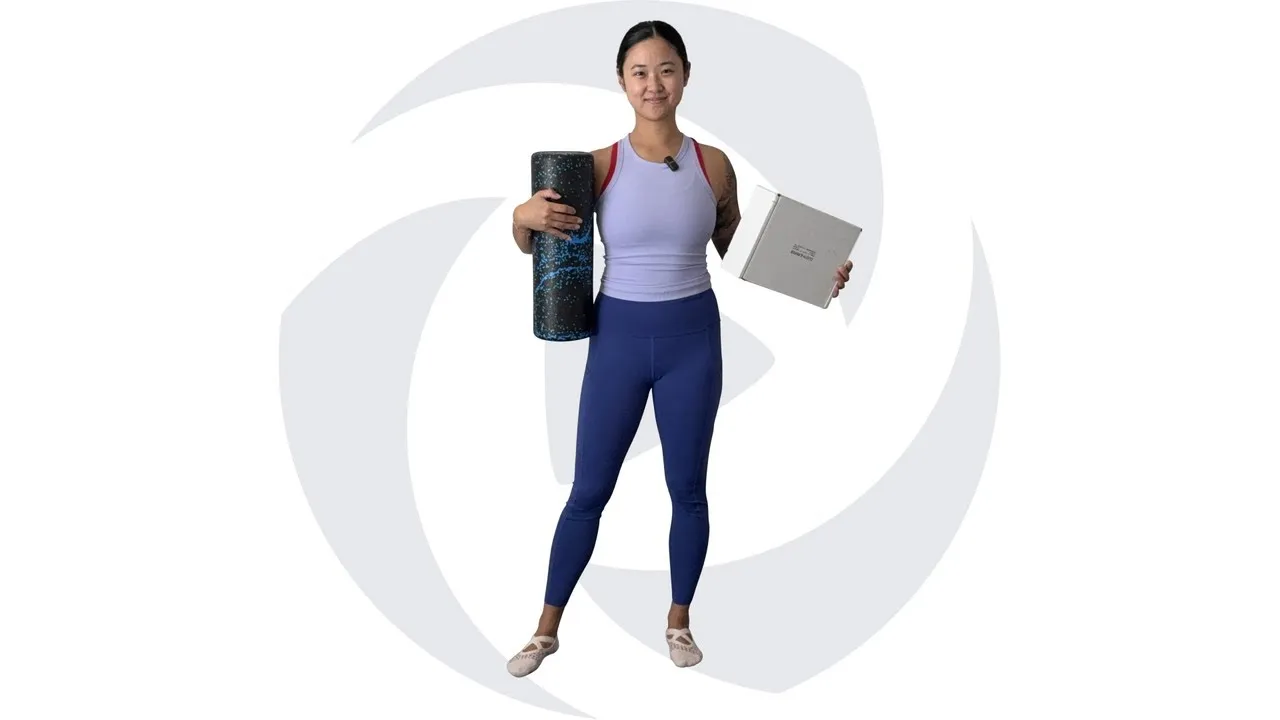
This routine, led by Kayla from Fitness Blender, emphasizes the use of simple props to deepen stretches and activate stabilizing muscles. You can opt for a foam roller, a yoga block, or even a sturdy cardboard box of similar size. The exercises involve kneeling and floor-based movements, making an exercise mat recommended for comfort.
The workout is structured with 45-second exercise intervals followed by 20-second rest periods, allowing for a smooth flow between movements. While a warm-up and cool-down are not included, viewers are encouraged to incorporate them based on their individual needs, suggesting a visit to the Fitness Blender library for suitable options.
Key Exercises for Enhanced Hip Function:
- Prone Hip Opener: Starting on the floor, extend one leg back and bring the other out to the side, resting the knee on the ground. A gentle prone press-up can deepen the stretch in the hip flexor. This movement is repeated on the other side, focusing on a fluid transition.
- Bridge with Prop Squeeze: Lying on your back, place the prop (foam roller, block, or box) between your knees or thighs. Lift your hips into a bridge position, actively squeezing the prop throughout the movement. This engages the glutes and inner thighs, promoting pelvic stability.
- Tabletop Internal Rotation: While maintaining the bridge position with the prop squeezed between your thighs, lift your legs into a tabletop position. From here, focus on small, controlled internal rotations of the feet, moving the lower leg outward and then back in. This targets the often-neglected internal rotation of the hip, crucial for balanced mobility. The routine emphasizes performing this on both the right and left sides.
- Plank Leg Lifts: Transition to a high plank or forearm plank position. The focus is on alternating hip extensions, or leg lifts, while maintaining a stable core and upper body. This exercise challenges stability and strengthens the glutes and hamstrings without excessive body sway.
- Side-Lying Reverse Clamshell: Lie on your side with the prop placed between your knees. Keeping the prop squeezed, lift the top leg upwards, focusing on a controlled movement. This variation of the clamshell targets the gluteus medius and improves hip abduction control. The routine highlights potential differences in control between the left and right sides, encouraging self-awareness.
- Bear Crawl Hover with Prop: In a hands-and-knees position, tuck your toes and lift your knees slightly off the ground into a bear crawl hover. Squeeze the prop between your thighs while holding this challenging position. For added difficulty, alternate lifting one hand off the ground. Modifications include dropping the knees if the hover is too intense.
- Kneeling Hip CARs (Controlled Articular Rotations): Using a wall or sturdy object for support, assume a half-kneeling position. From here, focus on controlled circular movements of the hip, lifting the leg up and over, rotating it outwards, and then reversing the motion. This exercise enhances the full range of motion and control within the hip joint. It’s performed on both the right and left legs.
- Standing Wall Clamshell: Facing away from a wall, place the sole of your foot against it in a roughly 90-degree knee bend. With hands on your hips, open the top knee outwards to the side and return it to the starting position. This exercise challenges balance and strengthens the hip abductors. For increased difficulty, a resistance band can be added around the thighs. This is performed on both sides.
- Split Squat with Prop Stabilization: In a split squat stance with the back heel elevated, place the prop against a wall with the outer part of your front foot. Descend into a small split squat, focusing on using the front leg to stabilize against the wall and hold the prop in place. This variation emphasizes deep glute activation and stabilizing muscle engagement. It’s performed on both sides.
Who Can Benefit?
This routine is suitable for individuals looking to improve general lower body mobility, alleviate hip stiffness, and enhance athletic performance. It can be particularly beneficial for those who spend long hours sitting, athletes seeking to improve their functional movement patterns, or anyone aiming to prevent common hip-related injuries. Modifications are suggested throughout the routine to accommodate different fitness levels.
Expert Insight
Kayla, the instructor from Fitness Blender, highlights the dual benefits of this routine: not only does it serve a mobility purpose, but it also acts as a solid injury prevention program. The emphasis on controlled movements, stability, and engaging smaller stabilizing muscles contributes to overall joint health and resilience.
Key Health Takeaways
- Incorporate props like foam rollers, yoga blocks, or sturdy boxes to enhance hip mobility and stability exercises.
- Focus on controlled movements, engaging core and gluteal muscles to maximize benefits and prevent injury.
- Don’t neglect hip internal rotation; it’s as crucial as external rotation for balanced hip function.
- Listen to your body and modify exercises as needed, prioritizing proper form over speed or range of motion.
- Consistency is key; regular practice of mobility routines can lead to significant improvements in hip health and overall movement quality.
Disclaimer: This article is for informational purposes only and does not constitute medical advice. Always consult with a qualified healthcare professional or physical therapist before beginning any new exercise program, especially if you have pre-existing health conditions or concerns.
Source: Hip Reset: Mobility & Stability Flow: Pelvic Stability + Hip Mobility Using a Prop (YouTube)