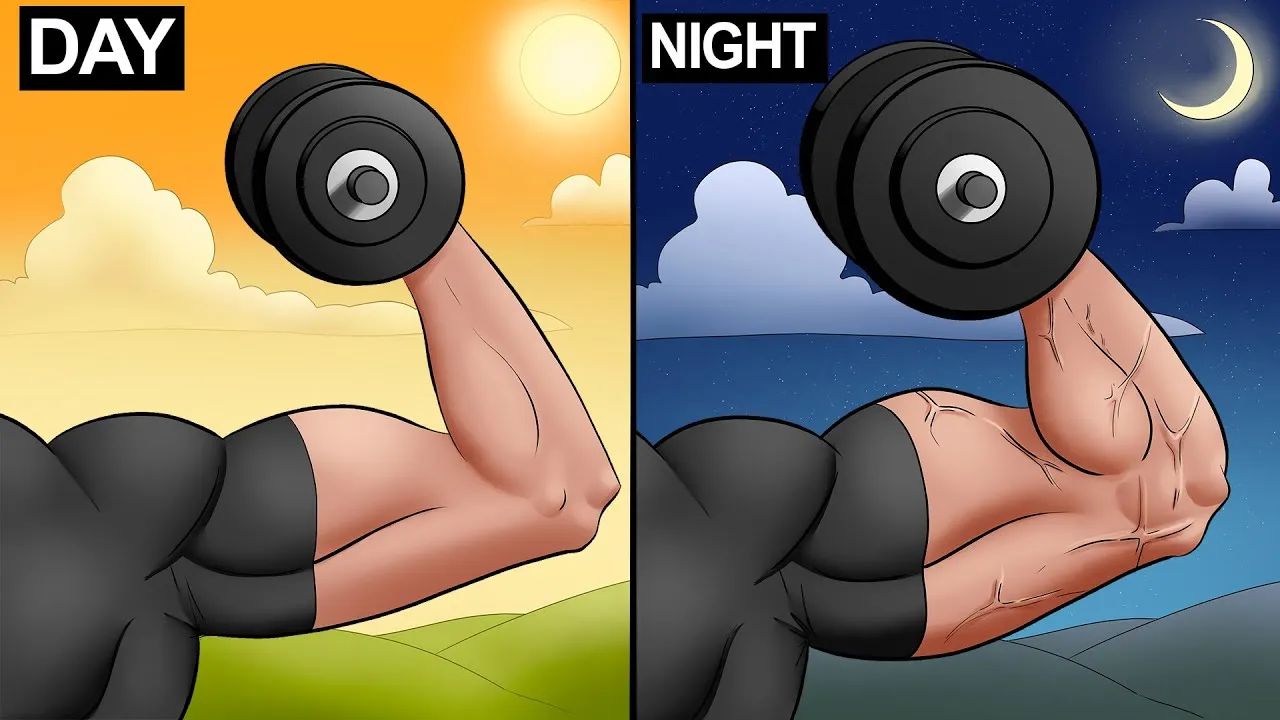
Morning vs. Evening Workouts: Which Time Reigns Supreme?
The age-old question of whether to hit the gym in the morning or evening has long sparked debate among fitness enthusiasts. While some champion early bird workouts for their metabolic and mood-boosting effects, others advocate for evening sessions, citing enhanced performance and recovery.
But does the timing of your exercise truly make a significant difference in achieving your fitness goals, such as burning fat, building muscle, and improving overall health? Research suggests that the time of day you choose to exercise can indeed influence your results, impacting performance, fat loss, muscle growth, hormone levels, sleep quality, and consistency.
Fat Loss: The Fasted vs. Fed Debate
A common belief is that morning workouts, particularly those performed on an empty stomach (fasted cardio), are superior for fat loss. The rationale is that overnight fasting depletes glycogen stores – your body’s primary energy source derived from carbohydrates.
With lower glycogen levels, the body is thought to turn to fat for fuel. Some studies, like one published in the Journal of Clinical Endocrinology and Metabolism, have indicated that fasted cardio in the morning can indeed burn more fat during the exercise session compared to exercising after eating.
However, the overall picture of fat loss is more complex. A systematic review and meta-analysis revealed that while fasted exercise may increase fat oxidation during the workout itself, the body tends to compensate later in the day by utilizing more carbohydrates.
This means that over a 24-hour period, the total amount of fat lost is often not significantly different between fasted and fed workouts. In essence, while you might burn more fat during the morning session, your body adjusts, leading to similar overall fat loss by day’s end.
Performance and Muscle Growth: The Evening Edge
When it comes to strength, power, and endurance, late afternoon and evening workouts often have a distinct advantage. As the day progresses, your core body temperature naturally rises, typically peaking between 4:00 PM and 8:00 PM.
This increase in body temperature leads to improved muscle function, flexibility, and endurance, as warmer muscles are more efficient. This phenomenon explains why a proper warm-up is crucial – it mimics this natural temperature increase.
By the afternoon and evening, your body has had ample time to consume and process nutrients from meals, leading to more stable blood sugar levels and greater glycogen availability. Glycogen is vital for high-intensity activities like weightlifting. Stable blood sugar can prevent premature fatigue, especially for those not accustomed to training in a fasted state.
Hormonal balance also favors evening workouts for muscle building. While testosterone levels are highest in the morning, so are cortisol levels (a stress hormone).
As the day progresses, cortisol levels drop more significantly than testosterone, leading to a more favorable testosterone-to-cortisol ratio. This ratio is considered more conducive to muscle growth and recovery, as supported by the aforementioned meta-analysis which found evening workouts can promote a better anabolic environment.
Beyond hormones, neuromuscular efficiency and coordination also improve later in the day. Your central nervous system becomes more active, enhancing your ability to recruit muscle fibers and execute movements with greater precision and speed. Studies indicate that the brain’s motor cortex, responsible for movement, is more responsive in the evening, potentially leading to enhanced muscle activation and strength output.
Sleep Quality: A Personal Equation
Sleep is a critical component of fitness, as vital as exercise and nutrition for fat loss and muscle gain. Evening workouts might initially seem counterproductive to sleep, and intense late-night sessions, especially when combined with stimulants like caffeine, can indeed elevate heart rate and adrenaline, making it harder to fall asleep. However, this effect is highly individual.
For many, evening exercise can actually improve sleep quality. Research published in Experimental Physiology has shown that individuals who exercise in the evening often experience deeper sleep cycles. The impact of caffeine is significant; it’s recommended to avoid it at least 6 hours before bed due to its half-life.
However, individual tolerance varies greatly. Some people can consume caffeine close to bedtime without adverse effects on their sleep, while others are more sensitive. Ultimately, how evening workouts affect your sleep depends on your personal physiology and habits.
Consistency: The Ultimate Deciding Factor
Despite the physiological advantages of evening workouts for performance and muscle growth, the most crucial factor for long-term success is consistency. For many individuals, morning workouts offer a significant edge in adherence.
Busy schedules often lead to fatigue by the end of the day, making it easier to skip a planned evening workout due to work, social commitments, or simply a lack of motivation. Unexpected events can also derail evening plans.
Exercising first thing in the morning, before the day’s demands take hold, can provide an immediate energy boost and set a positive tone. Importantly, this workout is completed and cannot be easily undone by later events. For those who find exercise a chore, getting it done early removes the mental burden of anticipating it throughout the day, potentially freeing up willpower for other tasks.
However, this doesn’t apply to everyone. If you are not a morning person, or if waking up extremely early for a morning workout is too disruptive, then evening workouts might be a better fit. The key is to be honest with yourself about when you are most likely to stick to a routine.
Making the Right Choice for You
When deciding between morning and evening workouts, prioritize consistency above all else. An exercise session you complete will always yield better results than one you skip. If you find you can be equally consistent with both morning and evening workouts, consider your specific goals.
If rapid muscle growth and strength gains are paramount, evening workouts might offer a slight edge due to performance benefits. Conversely, if you consistently find yourself skipping afternoon or evening sessions, morning workouts are likely the superior choice.
Ultimately, the best time to exercise is the time that you can consistently commit to. Once you establish a regular routine, you can then fine-tune your schedule to maximize other benefits like strength, endurance, or sleep quality.
Key Health Takeaways
- Fat Loss: While morning fasted workouts may burn more fat during the session, overall fat loss over 24 hours is generally similar to fed workouts.
- Performance: Evening workouts (late afternoon to early evening) often offer advantages in strength, power, and endurance due to higher core body temperature and better fuel availability.
- Muscle Growth: Evening sessions may support muscle growth better due to a more favorable testosterone-to-cortisol ratio and enhanced neuromuscular function.
- Sleep: Evening workouts can impact sleep differently for individuals; some experience deeper sleep, while others might find it harder to fall asleep if workouts are intense or combined with stimulants.
- Consistency is Key: The most important factor for achieving fitness goals is adherence. Choose the time of day you are most likely to consistently exercise.
Disclaimer: This article is for informational purposes only and does not constitute medical advice. Always consult with a qualified healthcare professional before making any decisions related to your health or treatment.
Source: What Happens if You Lift at Night vs Day (YouTube)