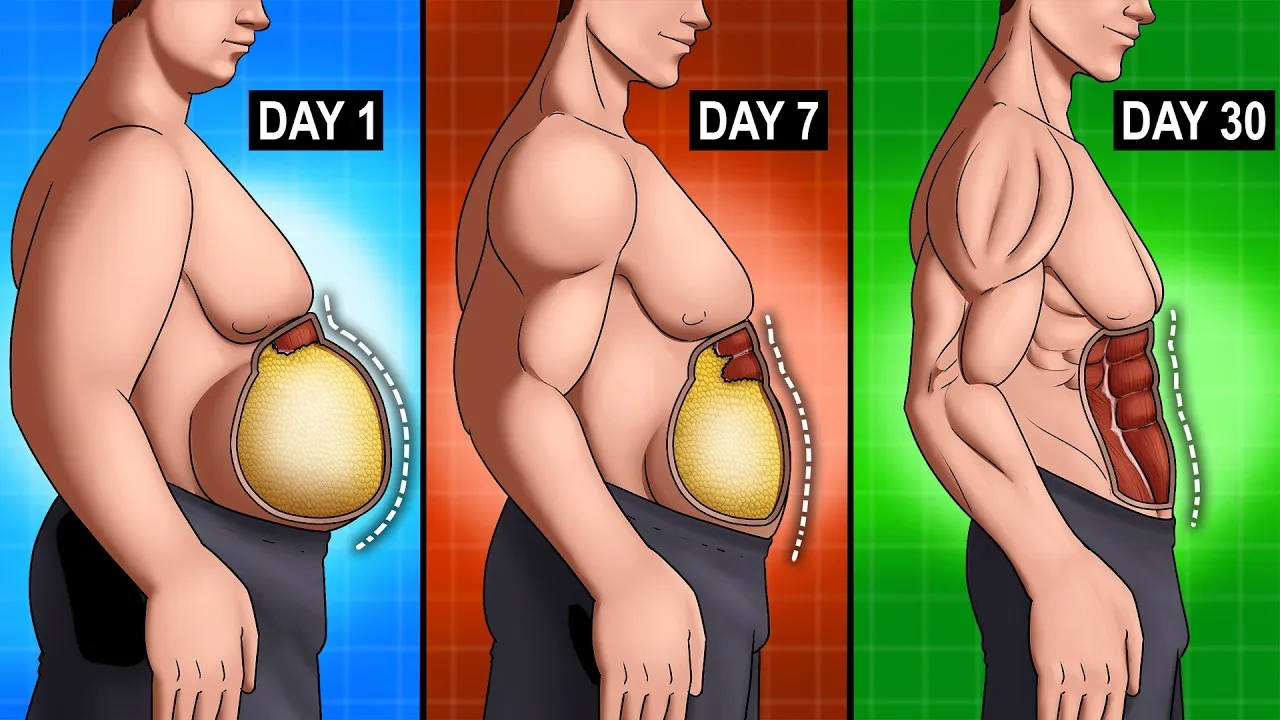
Shed Belly Fat: 5 Proven Diets for 30-Day Results
Losing belly fat can feel like an uphill battle, often leading individuals to try drastic measures like severely cutting carbs, endless cardio sessions, or the overly simplistic advice to “eat less and move more.” While many popular diets can contribute to fat loss, the key to significant belly fat reduction within 30 days lies in identifying a dietary approach that aligns with your individual preferences and lifestyle. This article explores five effective strategies, emphasizing that consistency and personal suitability are paramount for achieving lasting results.
The Power of Diet Over Exercise
It’s crucial to understand that your diet plays a far more significant role in reducing belly fat than exercise alone. While physical activity is beneficial for overall health, it’s nearly impossible to outwork a consistently poor diet. The most effective fat loss strategies focus on what you eat, how much you eat, and when you eat.
1. The Ketogenic Diet: Fat for Fuel
The ketogenic (keto) diet aims to shift your body into a metabolic state called ketosis, where it burns fat for energy instead of carbohydrates. In ketosis, your body produces ketones, which serve as an alternative fuel source. This diet is typically very low in carbohydrates (5-10% of daily calories), moderate in protein (20-25%), and high in fat (70-80%).
Who it’s for: This plan is ideal for individuals who enjoy high-fat foods such as steak, bacon, eggs, butter, avocado, and salmon, and can see themselves eating these regularly. It can also be beneficial for those who dislike meticulously counting calories, as low-carb diets often naturally lead to a calorie deficit.
Considerations: If you love bread, pasta, rice, potatoes, or high-carb fruits like bananas, keto might be challenging as it requires significantly limiting these foods. Low-carb substitutes like cauliflower rice or zucchini noodles can help, but the core principle remains carb restriction.
2. If It Fits Your Macros (IIFYM): Flexibility with Accountability
For those who struggle with strict carb elimination or need comfort foods to stay on track, the “If It Fits Your Macros” (IIFYM) approach offers flexibility. This method involves calculating your individual macronutrient targets (protein, carbohydrates, and fats) using an online calculator and then consuming foods that fit within these targets, even including less healthy options in moderation.
Who it’s for: This strategy is perfect if you know you need to include favorite foods like cookies or ice cream to maintain adherence. It allows for a wide variety of food choices, both healthy and less healthy.
How it works: You would use a calorie-tracking app (like MyFitnessPal) to monitor your daily intake, prioritizing your protein goal first. Once your protein target is met, you can fill your remaining carbohydrate and fat allowances with foods you enjoy, ensuring you stay within your overall macro limits.
Considerations: The primary downside is the necessity of tracking everything you eat daily. While you can achieve a lean physique, a diet heavily reliant on unhealthy foods may impact how you feel, even if you look good.
3. Intermittent Fasting (IF): Time-Restricted Eating
Intermittent fasting is an eating pattern that cycles between periods of eating and voluntary fasting. The popular 16:8 method involves fasting for 16 hours and restricting your eating to an 8-hour window each day (e.g., eating between noon and 8:00 p.m.).
Who it’s for: This approach suits individuals who prefer larger, less frequent meals and want to naturally reduce overall calorie intake by limiting the time available for eating. It can lead to feeling fuller during the eating window.
How it works: By condensing meals into a shorter window, you naturally consume fewer calories. During the fasting period, only water, black coffee, or unsweetened tea are typically consumed.
Considerations: If you prefer smaller, more frequent meals, or if fasting leads to overeating or binging behavior, this method might not be suitable. Incorporating less healthy foods still requires calorie tracking to ensure macro and calorie goals are met.
The Warrior Diet: An Extreme IF Approach
A more intense variation is The Warrior Diet, which involves a 20-hour fast daily, with a 4-hour eating window, often consumed in the evening. This plan emphasizes whole, single-ingredient foods found around the perimeter of the grocery store (fruits, vegetables, lean proteins, whole grains, nuts, seeds).
Who it’s for: Those comfortable with extended fasting periods who prefer one large meal and some snacks daily.
How it works: By combining a very limited eating window with nutrient-dense, filling foods, calorie intake is naturally controlled, often leading to fat loss without strict calorie counting.
Considerations: Extended fasting can be challenging and may require gradually increasing fasting duration. It also prioritizes whole foods, making it less suitable for those who want to incorporate significant amounts of processed foods.
4. The Mediterranean Diet: Heart Health and Whole Foods
Inspired by the traditional eating patterns of countries bordering the Mediterranean Sea, this diet is renowned for its heart-healthy benefits and emphasis on whole, nutrient-dense foods. It doesn’t involve strict calorie counting or time restrictions but rather adherence to a set of eating principles.
Who it’s for: Individuals looking to improve overall health, reduce inflammation, and feel good while losing fat. It’s suitable for those who prefer a sustainable, balanced eating pattern focused on natural foods.
How it works: The diet emphasizes fresh vegetables, fruits, whole grains, legumes, nuts, and healthy fats like olive oil. Fish and seafood are consumed regularly, with moderate amounts of poultry, eggs, and dairy. Red meat and sweets are eaten infrequently.
Considerations: While excellent for health, if your lifestyle necessitates incorporating significant amounts of processed foods or frequent “cheat” meals, you might find it harder to stick to compared to IIFYM. However, focusing on single-ingredient foods, even if deviating slightly from strict Mediterranean guidelines, generally leads to fat loss without calorie counting.
5. Plant-Based Diets: Carb-Friendly and Nutrient-Rich
Plant-based diets, whether vegetarian or vegan, can be highly effective for fat loss, especially for those who enjoy carbohydrates. A typical split might allocate 50-60% of calories to carbs, 20-25% to protein, and the rest to fats.
Who it’s for: Individuals who prefer a diet rich in carbohydrates, enjoy plant-derived foods, or have ethical reasons for avoiding animal products. It’s also suitable for those seeking increased fiber intake for satiety.
How it works: The focus is on whole, minimally processed plant foods like vegetables, fruits, whole grains, legumes, nuts, and seeds. These foods are high in fiber, promoting fullness and aiding fat loss. For example, oatmeal is a filling, fiber-rich carbohydrate source.
Considerations: The key is to focus on whole, unprocessed plant foods. Many products labeled “vegan” are highly processed and not conducive to fat loss (e.g., vegan junk food). Adherence requires distinguishing between beneficial plant-based carbs and processed alternatives.
Choosing Your Path to Fat Loss
Ultimately, the most effective diet for losing belly fat in 30 days is the one you can consistently follow. There is no single “best” diet; the optimal choice depends on your food preferences, lifestyle, and psychological needs.
If you know you need occasional indulgences, IIFYM might be superior to a restrictive plan like the Mediterranean diet. Conversely, if you thrive on structure and whole foods, the Mediterranean or Warrior Diet could be excellent choices.
Disclaimer: This information is for educational purposes only and does not constitute medical advice. Always consult with a qualified healthcare professional or registered dietitian before making any significant changes to your diet or exercise routine, especially if you have underlying health conditions.
Source: #1 Way to Lose Belly Fat in 30 Days (YouTube)