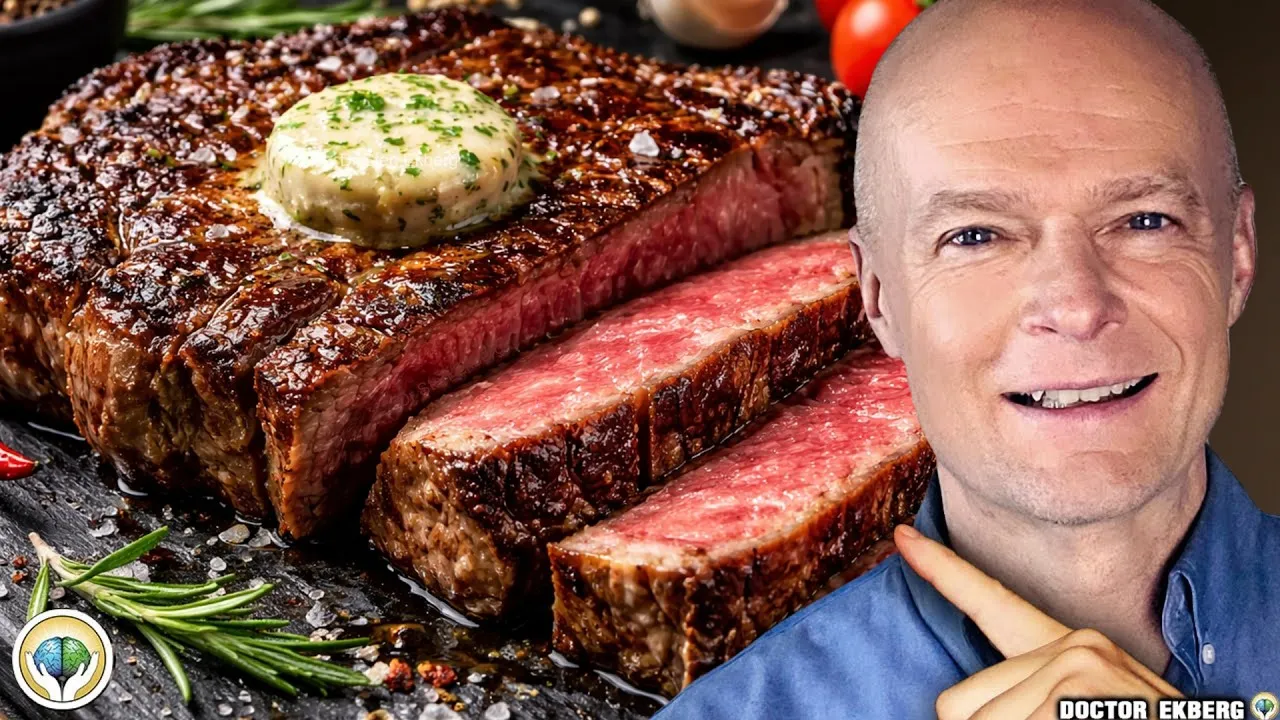
Unlock Your Health: Top 10 Nutrient-Dense Meats
For centuries, meat has been a cornerstone of human diets, providing essential nutrients for survival and well-being. Despite persistent myths surrounding its health impacts, particularly concerning cholesterol and fat, modern science is increasingly highlighting the significant nutritional benefits of incorporating quality meats into a balanced diet. This article explores ten of the healthiest meats, emphasizing their unique nutritional profiles and benefits.
Debunking Meat Myths: Cholesterol and Saturated Fat
The notion that dietary cholesterol is inherently harmful has been largely debunked. Research dating back to the 1960s, and solidified by updated dietary guidelines in 2015, indicates no significant link between dietary cholesterol intake and blood cholesterol levels or heart disease for most healthy individuals. Similarly, concerns about saturated fat, while nuanced, are often overstated, especially when consumed from whole, unprocessed food sources.
The type of saturated fat and the overall dietary context are crucial. Saturated fats from quality meats, unlike those found in processed foods, do not inherently cause inflammation or insulin resistance. Instead, they can contribute to the production of ‘fluffy’ LDL particles, which are less concerning than smaller, denser LDL particles often associated with metabolic dysfunction.
The Importance of Quality and Sourcing
The health benefits of meat are significantly influenced by how the animal was raised and what it was fed. Pasture-raised animals, which consume their natural diets of grasses and insects, tend to have a more favorable fatty acid profile, including a better omega-6 to omega-3 ratio, and are generally healthier. Conversely, conventionally raised animals fed byproducts and processed grains may have a less desirable nutrient composition and a higher omega-6 content, which can contribute to inflammation.
The Top 10 Healthiest Meats
10. Chicken Thighs
Chicken thighs, or dark meat, offer more zinc, iron, collagen, and the amino acid glycine compared to white meat. The higher fat content in dark meat also promotes satiety and aids in the absorption of fat-soluble vitamins (A, D, E, K). Opting for pasture-raised chicken is preferable due to its lower omega-6 content.
9. Turkey
Similar to chicken, turkey dark meat is richer in nutrients than white meat, particularly B vitamins like B6 and B3, which are vital for energy production and neurotransmitter synthesis. While generally raised more naturally than conventional chicken, turkey is slightly lower in overall nutrient density compared to other options on this list.
8. Pork
High-quality pork, such as pasture-raised or wild boar, is an excellent source of vitamin B1, crucial for glucose metabolism and nerve function. However, conventional pork often has a less favorable fat profile due to grain-based diets. Sourcing high-quality pork is key to maximizing its health benefits and avoiding potential inflammatory effects.
7. Venison (Wild Game)
Wild game like venison is exceptionally mineral-dense, rich in zinc, iron, and phosphorus, with an ideal omega-3 to omega-6 ratio. Its natural diet and habitat mean it’s free from the issues associated with farmed animals. However, its extreme leanness may require adding healthy fats to the meal to enhance nutrient absorption and achieve metabolic balance.
6. Lamb
Lamb is often naturally grass-fed, providing a superior omega-3 to omega-6 ratio (typically 1:1), conjugated linoleic acid (CLA), and antioxidants. It’s a nutrient-dense option, particularly rich in zinc, and is often more affordable and delicious than other high-quality meats.
5. Wild Salmon
Wild salmon is a prime source of EPA and DHA, essential omega-3 fatty acids crucial for brain health and reducing inflammation. It also contains astaxanthin, a potent antioxidant. While farm-raised salmon is available, wild varieties offer a better omega-3 content and ratio.
4. Sardines
These small, nutrient-packed fish are an excellent source of EPA and DHA, calcium, and phosphorus (especially when eaten with the bones). Sardines are low on the food chain, meaning they accumulate minimal mercury. Choosing sardines packed in olive oil is recommended over those in soybean oil.
3. Grass-Fed Beef
Grass-fed beef is highly nutritious, offering bioavailable heme iron, zinc, and vitamin B12. Grass-finished varieties also provide beneficial omega-3 fatty acids and CLA.
It boasts a healthy omega-6 to omega-3 ratio, contrasting with grain-fed beef. Red meat, in general, has been a fundamental part of human diets for millennia.
2. Liver (Beef or Chicken)
Organ meats, particularly liver, are among the most nutrient-dense foods available. Beef or chicken liver is rich in preformed vitamin A (retinol), natural folate (B9), vitamin B12, B6, choline, and copper. Historically, liver was used to treat various deficiencies and ailments before the advent of modern supplements.
1. Heart (Beef or Lamb)
The heart, especially from ruminant animals like beef or lamb, is a powerhouse of CoQ10, an essential enzyme for cellular energy production in mitochondria. It also provides taurine for cardiovascular and nervous system regulation, along with iron and zinc. Consuming heart can support cardiac efficiency, insulin sensitivity, and overall cellular energy.
Making Healthy Choices in Any Setting
While this list prioritizes optimal choices, it’s important to remember that ‘healthy’ is relative. Even conventionally raised meats or farm-raised salmon are generally superior to highly processed foods, fried items, or meals heavy in refined carbohydrates and seed oils.
When dining out or when optimal choices aren’t available, select the best available option within your budget and dietary preferences. Variety in your diet is key to obtaining a broad spectrum of nutrients.
Key Health Takeaways
- Prioritize pasture-raised or grass-fed meats for a better nutrient profile and healthier fat composition.
- Don’t fear dietary cholesterol; current research suggests it’s not a primary concern for heart health in most individuals.
- Understand that saturated fat from quality meats is different from that in processed foods and may not be detrimental to heart health unless underlying metabolic issues like insulin resistance are present.
- Incorporate nutrient-dense organ meats like liver and heart for a concentrated dose of vitamins, minerals, and beneficial compounds.
- Fatty fish like wild salmon and sardines are excellent sources of omega-3 fatty acids, crucial for brain and heart health.
- When choosing between white and dark meat, dark meat often provides more essential minerals like iron and zinc.
- Variety is essential; consuming a range of healthy meats ensures a broader intake of nutrients and supports culinary diversity.
Disclaimer: This article is for informational purposes only and does not constitute medical advice. Always consult with a qualified healthcare professional before making any decisions about your health or treatment.
Source: Top 10 Healthiest Meats You Must Eat! (YouTube)