NAC and Oxidation: Finding the Right Balance for Health
In the intricate dance of our body’s chemistry, oxidation plays a vital role. It’s a fundamental process, essential for generating energy and even for our immune system to combat pathogens.
However, like many biological processes, too much of a good thing can lead to damage and stress. Understanding this balance, known as redox balance, is key to maintaining optimal health, and it’s where supplements like N-acetylcysteine (NAC) enter the conversation.
The Duality of Oxidation
Oxidation is a chemical reaction involving the loss of electrons. In the body, we utilize oxygen in cellular respiration to produce energy – a process that inherently involves oxidation.
Our immune system also employs potent oxidizing agents to neutralize harmful invaders like bacteria and viruses. These processes are not only necessary but beneficial.
The counterpoint to oxidation is reduction, a process involving the gain of electrons. Reduction is crucial for functions such as cellular repair and signaling. The body constantly seeks a state of equilibrium, known as redox balance, between these two opposing forces.
When Antioxidants Go Too Far
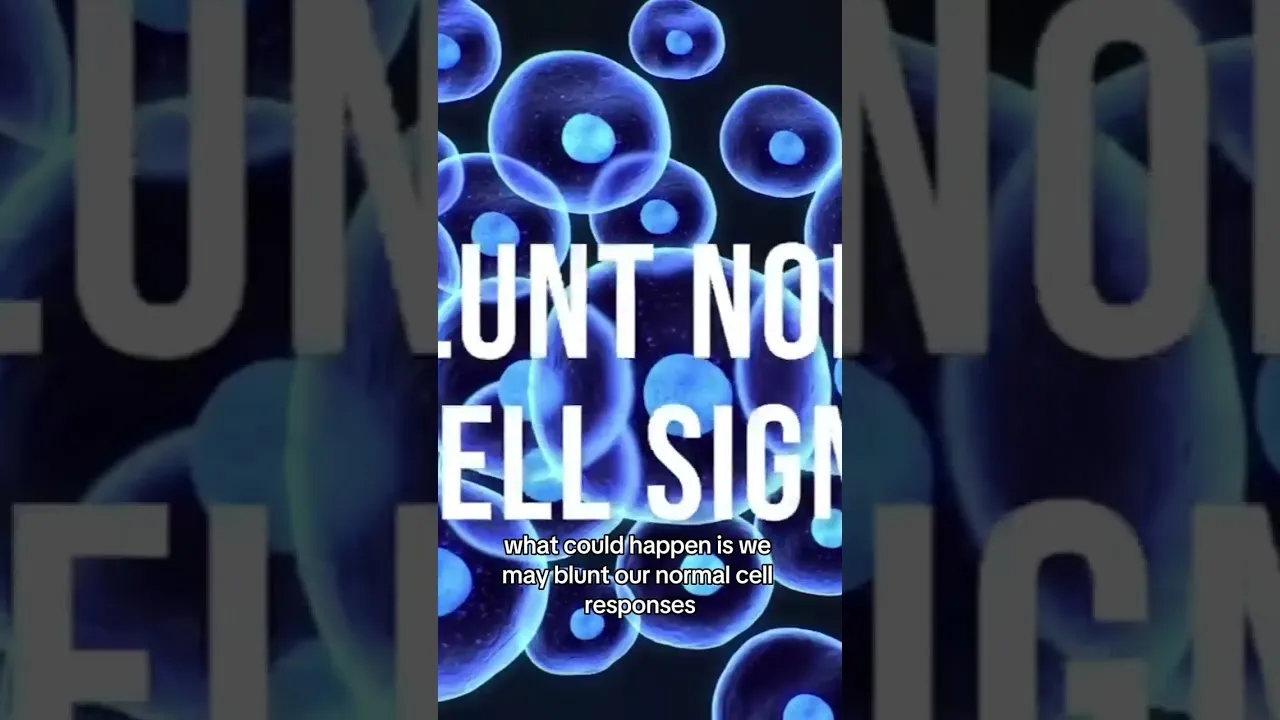
While the concept of antioxidants combating harmful oxidation is widely understood and often promoted, an excessive intake can have unintended consequences. Taking too many antioxidant supplements might inadvertently dampen the body’s natural cellular responses and signaling pathways. It could potentially blunt our adaptive stress responses – the very mechanisms that help our cells become more resilient to challenges over time.
Think of redox balance like a controlled fire. A fire provides warmth and is essential for many processes. Similarly, a small amount of oxidation is necessary for life.
Fire extinguishers are crucial for putting out uncontrolled fires. Antioxidants act like fire extinguishers, necessary when oxidation becomes excessive and harmful.
However, if the fire extinguisher is constantly dousing the flame, it can prevent the fire from performing its useful functions. Similarly, an overabundance of antioxidants might suppress beneficial oxidative processes.
The Role of N-Acetylcysteine (NAC)
N-acetylcysteine (NAC) is a precursor to glutathione, one of the body’s most powerful endogenous antioxidants. Glutathione is critical for numerous cellular functions, including detoxification and protecting cells from oxidative damage. NAC is often taken as a supplement to boost glutathione levels.
While glutathione is indispensable, the body has a sophisticated system for producing it naturally. NAC is a component of cysteine, an amino acid that is naturally found in various foods. Our bodies have been synthesizing glutathione from dietary sources long before supplements became available, indicating that we have inherent mechanisms to meet our needs.
The key insight is that while adequate glutathione is vital, we don’t necessarily need to flood our system with excessive amounts. The body requires a balanced level of glutathione, and achieving this through a diet rich in protein sources that provide cysteine, alongside the body’s natural production, may be sufficient for many individuals.
Who Should Be Mindful?
This information is particularly relevant for individuals considering or currently taking high-dose antioxidant supplements, including NAC. While these supplements can be beneficial in specific circumstances, such as certain medical conditions or under the guidance of a healthcare professional, it’s important to be aware of the potential for disrupting the body’s natural redox balance.
Individuals with chronic health conditions, those undergoing medical treatments, or anyone experiencing significant oxidative stress should consult with their doctor before making major changes to their supplement regimen. The optimal approach to supporting cellular health often lies in a balanced perspective, focusing on a nutrient-rich diet and understanding the body’s intrinsic regulatory systems.
Key Health Takeaways
- Redox Balance is Crucial: Your body needs a balance between oxidation (for energy and immunity) and reduction (for repair and signaling).
- Excess Antioxidants Can Be Counterproductive: Taking too many antioxidant supplements, including NAC, might interfere with beneficial cellular processes and reduce resilience.
- NAC Supports Glutathione: NAC helps the body produce glutathione, a powerful antioxidant, but the body naturally produces glutathione from dietary cysteine.
- Moderation is Key: While glutathione is essential, excessive supplementation may not be necessary for most healthy individuals.
- Consult Your Doctor: Always discuss significant changes to your diet or supplement routine with a healthcare professional, especially if you have underlying health conditions.
Disclaimer: This article is for informational purposes only and does not constitute medical advice. Always consult with a qualified healthcare provider for any health concerns or before making any decisions related to your health or treatment.
Source: What Your Doctor Won't Tell You About Oxidation And NAC (YouTube)