Build a Stronger Core with This 10-Minute Plank Challenge
A strong core is fundamental for overall physical health, impacting everything from posture and balance to athletic performance and injury prevention. While many exercises target abdominal muscles, the humble plank, with its numerous variations, offers a comprehensive and highly effective way to engage your entire core musculature. This article explores a 10-minute plank challenge designed to significantly enhance core strength and stability.
The Power of the Plank: More Than Just Holding a Position
The plank exercise, in its basic form, involves holding a push-up-like position, resting on forearms or hands, and maintaining a straight line from head to heels. This isometric hold engages the rectus abdominis (the “six-pack” muscles), obliques, transverse abdominis (deep core muscles), as well as the back, shoulders, glutes, and legs.
The challenge presented here expands on this by incorporating 20 different plank variations performed consecutively for 30 seconds each, with no rest in between. The goal is not just to complete the workout, but to track your progress and aim to reduce rest periods or increase duration in subsequent sessions.
A 20-Step Journey to a Stronger Core
This intense workout requires no equipment, just a mat and a commitment to push your limits. It’s designed to be adaptable; while the goal is continuous movement, resting when needed is encouraged, with the focus on improvement over time. The workout includes a variety of movements that challenge stability, strength, and endurance:
- Plank Tap: Starting in a low plank, extend one leg to the side and return, alternating sides. This variation emphasizes hip stability and oblique engagement.
- Bear Hold Knee Taps: From a high plank, bring feet forward into a bear crawl position (knees bent, hovering off the floor). Lightly tap knees down and lift back up, maintaining a flat back and engaged core.
- Low Plank Leg Raises: In a low plank, slowly lift one leg straight up, then lower with control, alternating legs. This targets the glutes and lower back while challenging core stability.
- Contralateral Plank: In a high plank, simultaneously lift the opposite arm and leg, holding briefly before returning slowly. This advanced move requires significant balance and core control.
- Plank with Hip Dips: From a low plank, rotate your hips towards the mat, bringing them as close as possible, then return to center and switch sides. This targets the obliques.
- Plank Knee Taps: In a low plank, gently tap one knee to the mat and lift back up, alternating sides. This variation is a modified way to engage the core and reduce strain on the lower back.
- Bear Crawl: On all fours with knees hovering off the mat, crawl forward and backward. This dynamic exercise builds full-body coordination and core strength.
- Reverse Plank with Knee Tucks: Sit with legs extended, hands behind you, and lift hips into a reverse plank. Alternate lifting one knee towards your chest while keeping hips elevated.
- Bird Dog: On all fours, extend the opposite arm and leg simultaneously, moving slowly and with control. This improves balance and strengthens the core and back muscles.
- Plank with Hand Behind Lower Back: Hold a low plank while placing one hand behind your lower back for 5 seconds, then switch hands. This challenges shoulder stability and core control.
- Plank Rock Back and Forth: In a low plank, gently shift your weight back towards your heels and then forward, maintaining a straight body line. This dynamic movement engages the core and shoulders.
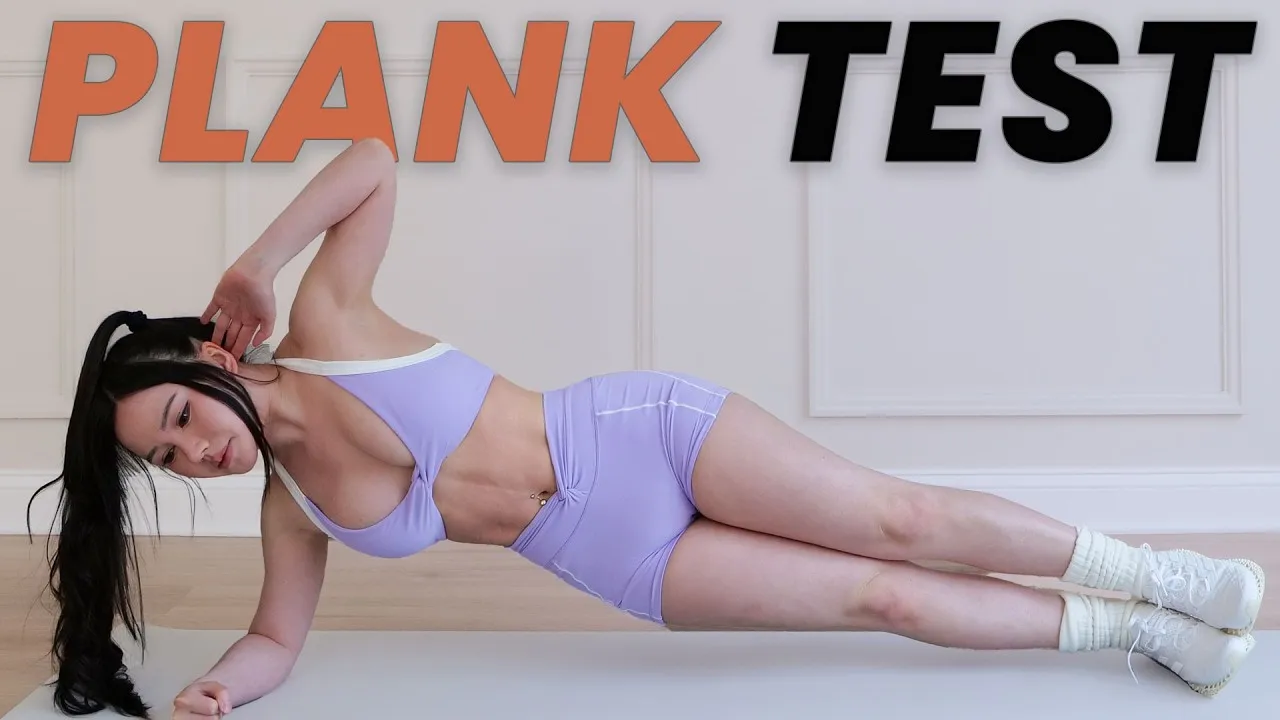
- Side Plank with Arm Thread-Through: In a side plank, reach your top arm upwards, then thread it under your body, returning to the starting position. Repeat on the other side. This targets the obliques and shoulder stabilizers.
- Plank Jacks: From a high plank, jump your feet out wide and then back together, landing softly. This cardio-infused plank variation elevates the heart rate while working the core.
- Plank Shoulder Taps: In a high plank, tap your right hand to your left shoulder and back, then switch sides, minimizing hip movement. This builds shoulder stability and core control.
- Plank Drag: In a high plank, reach one hand across the mat to drag an object (or imaginary object) to the other side, then switch hands. This challenges rotational stability.
- Plank Rotations: From a low plank, rotate your body into a side plank, stacking your feet, then return to center and switch sides. This variation enhances oblique strength and torso rotation control.
- High Plank Leg Lifts with Knee to Chest: In a high plank, lift one leg high, then bring that knee towards your chest, alternating legs. This combines hamstring activation with core engagement.
- Final Low Plank Hold: The workout concludes with a sustained low plank hold, engaging the core, quads, and glutes to build endurance.
Who Can Benefit from This Challenge?
This plank challenge is suitable for individuals with a moderate level of fitness looking to improve their core strength, stability, and endurance. It can be particularly beneficial for athletes, those seeking to improve posture, or individuals aiming to reduce the risk of lower back pain.
Modifications can be made for beginners by performing fewer variations, taking longer rests, or performing exercises on their knees. Advanced individuals can increase the duration of each exercise or reduce rest times further.
Key Health Takeaways
- Comprehensive Core Engagement: Plank variations activate a wide range of core muscles, promoting functional strength.
- Improved Stability and Balance: Regular practice enhances your body’s ability to stabilize itself during movement and everyday activities.
- Posture Enhancement: A stronger core supports the spine, leading to better posture and reduced risk of back pain.
- Progressive Overload: The challenge encourages tracking progress, allowing for continuous improvement by gradually reducing rest or increasing hold times.
- Accessibility: Requires no special equipment, making it a convenient workout option.
Important Considerations
While this plank challenge offers significant benefits, it is essential to listen to your body. Proper form is crucial to prevent injury.
If you experience any pain, stop the exercise immediately. Consult with a healthcare professional or a certified fitness trainer before starting any new exercise program, especially if you have pre-existing health conditions, injuries, or concerns.
Disclaimer: This article is for informational purposes only and does not constitute medical advice. Always seek the advice of your physician or other qualified health provider with any questions you may have regarding a medical condition.
Source: Core & Abs Workout. Can You Last 10 Minutes? (YouTube)