Ditch Discipline: Find Motivation for Lasting Change
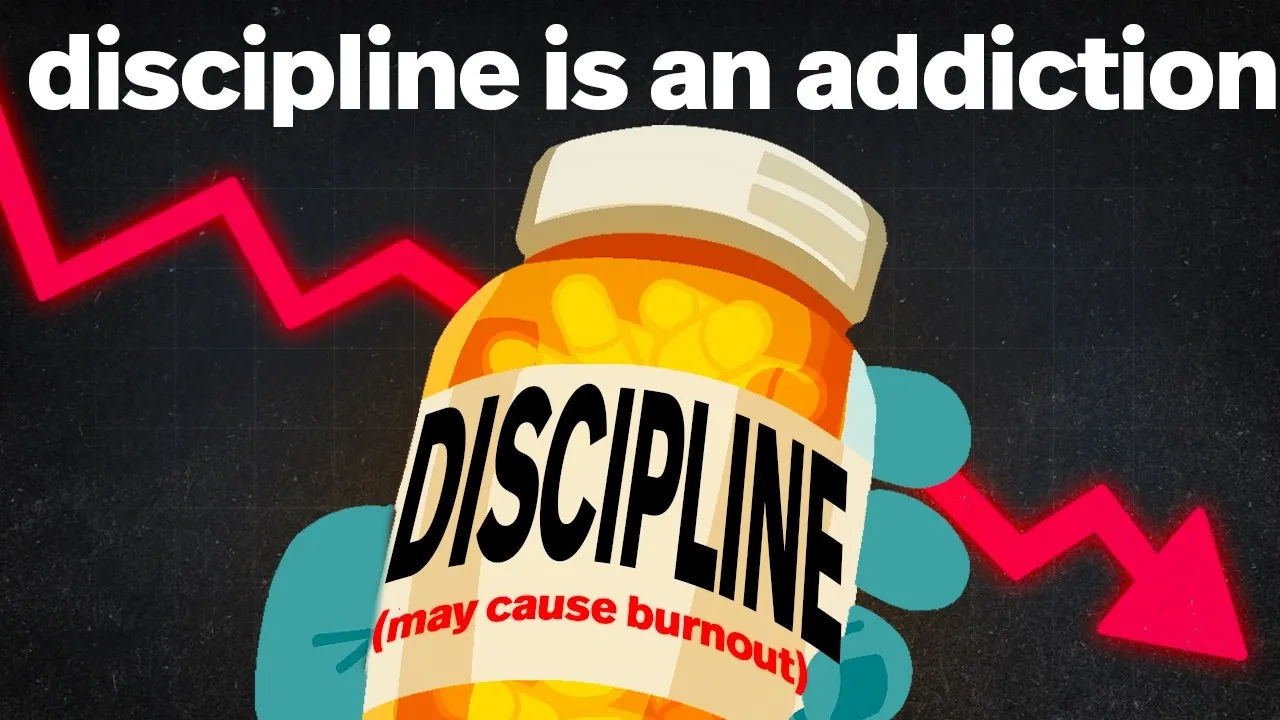
Many people believe that willpower and discipline are the keys to achieving their goals. However, research suggests that relying heavily on these methods can actually lead to stagnation and burnout. Instead, cultivating autonomous motivation – doing things because you genuinely want to – is a more effective path to sustained effort and success.
The Pitfalls of Willpower and Discipline
When faced with a conflict between what we want and what we feel we should do, the common approach is to summon willpower to force ourselves towards the desired action. While this might seem like the right strategy, a study titled “Stuck in limbo: Motivational antecedents and consequences of experiencing action crises in personal goal pursuit” published in the journal Motivation and Emotion, highlights a significant issue: controlled motivation, which relies on willpower, is often not enough to translate intentions into actual, consistent effort over time.
Controlled motivation refers to doing something because you feel you have to, often driven by external rewards, punishments, or a sense of obligation. This contrasts with autonomous motivation, which stems from intrinsic interest and personal values.
The research indicates that while people might use willpower to initiate an action, this effort tends to fade when obstacles arise. In fact, the study found that controlled motivation can be an independent risk factor for experiencing “action crises” – periods of stagnation or paralysis where progress halts.
This reliance on willpower can create a cycle of dependence. When you force yourself to do something you don’t want to do, it doesn’t magically make you want to do it the next day.
Instead, it can suppress your natural desires and intrinsic motivation, leading to feelings of being drained and unfulfilled. This can contribute to burnout, a state where individuals feel emotionally, physically, and mentally exhausted from prolonged stress.
The Science Behind Action Crises
The research suggests that using willpower to overcome your desires in favor of perceived obligations can paradoxically lead to analysis paralysis, not overcome it. Instead of moving forward, you might find yourself stuck in a loop, constantly needing more willpower to push through tasks you lack genuine interest in. This is because controlled goals often represent a conflict between external pressures and internal psychological needs, making them difficult to sustain when challenges emerge.
While conscientiousness – the tendency to be diligent and goal-oriented – plays a role, the study differentiates between those who genuinely exert excessive willpower and those who are simply more comfortable delaying gratification and resisting immediate impulses. For many, the experience is not one of sustained willpower leading to eventual enjoyment, but rather a continuous struggle that depletes their motivational resources.
The Power of Autonomous Motivation
The alternative to relying on willpower is to cultivate autonomous motivation. This involves aligning your actions with your authentic interests, values, and desires. When you are intrinsically motivated, you tap into a more sustainable source of energy and resilience.
Self-concordant goals, which arise from a person’s evolving interests and core values, allow individuals to draw upon their willpower more effectively because the effort feels meaningful and personally relevant. This intrinsic drive leads to sustained effort, increased goal progress, reduced internal conflict, and greater resistance to temptation.
Autonomous Motivation vs. Habit Building
Habit building is often promoted as a way to achieve consistency without relying on motivation. While habits are valuable for establishing a baseline level of behavior (raising the floor from zero to, say, 50%), they typically don’t drive exceptional performance.
Habits are about automation and bypassing the motivational system. Those who achieve at the highest levels often leverage their intrinsic motivation for that extra push beyond what habits alone can provide.
Autonomous motivation, on the other hand, fuels sustained effort and helps individuals navigate obstacles more effectively. When you want to do something, planning becomes more powerful. The research indicates that autonomous motivation can even moderate the effect of implementation intentions (detailed plans) on goal progress, making plans more effective when they are aligned with intrinsic desires.
Shifting Your Focus: From States to Actions
Understanding how you think about goals is also crucial. Some people focus on “states” – how they want to feel – and then work backward to find actions that will lead to that feeling.
This can lead to chasing fleeting emotions and can be a slippery slope towards unhealthy coping mechanisms or addictions. Others focus on “actions” – what they are going to do – with the action itself being the primary driver.
The key to cultivating autonomous motivation involves two steps:
- Explore your desires: Ask yourself what you truly want and, importantly, why you want it. Dig deep into your core values and interests. What makes these goals important to you on a fundamental level?
- Focus on implementation: Once you’ve identified authentic desires, then focus on the behavioral changes needed to pursue them. This is where planning and action become effective, not as a way to force yourself, but as a way to realize what you genuinely wish to achieve.
Understanding Controlled Motivation
Controlled motivation can manifest in two primary ways:
- External contingencies: Pursuing goals based on external factors like rewards or avoiding punishments. This is often tied to chasing a specific feeling or outcome.
- Introjected motivation: This is motivation that feels internal but is actually absorbed from external sources, such as societal expectations or the standards of others. For example, feeling pressured to pursue a certain career because it’s what your family has always expected.
When individuals operate primarily on introjected motivation, they often experience stagnation and action crises because the drive isn’t truly their own. Coaches often help clients identify and shed these introjected motivations to uncover their authentic desires.
Cultivating Internal Drive for Excellence
Achieving excellence is less about sheer willpower or rote habits and more about nurturing your internal drive. This means spending time understanding what you genuinely want and why it matters to you. When your actions are aligned with your core values, consistency emerges naturally.
Consider the difference in consistency between activities you love (like playing video games) and those you feel obligated to do. The former often requires no willpower to maintain, while the latter can be a constant battle. True, sustainable consistency comes from wanting something deeply.
When Willpower Might Still Be Useful
This doesn’t mean willpower has no place. In certain situations, using willpower might be necessary to initiate a behavior that, over time, can become more intrinsically rewarding. However, the science suggests that making willpower the primary engine for long-term goal pursuit is an unsustainable and often counterproductive strategy.
The core message is to shift from forcing yourself to do things to understanding and acting upon what you genuinely want. By cultivating your internal motivation, you can move beyond stagnation and achieve more meaningful and lasting results.
Key Health Takeaways
- Relying heavily on willpower and discipline can lead to burnout and stagnation, a phenomenon known as an “action crisis.”
- Autonomous motivation, driven by genuine interest and personal values, is a more sustainable source of energy and leads to greater goal achievement.
- Habits are useful for establishing a baseline but do not typically drive exceptional performance; intrinsic motivation does.
- To cultivate autonomous motivation, explore what you truly want and why it matters to you, then focus on actionable steps.
- Be mindful of “controlled motivation,” which stems from external pressures or internalized expectations, as it can hinder genuine progress.
Disclaimer: This article is for informational purposes only and does not constitute medical advice. Always consult with a qualified healthcare professional before making any decisions about your health or treatment.
Source: We Give Discipline Too Much Credit, Here’s What Actually Works (YouTube)