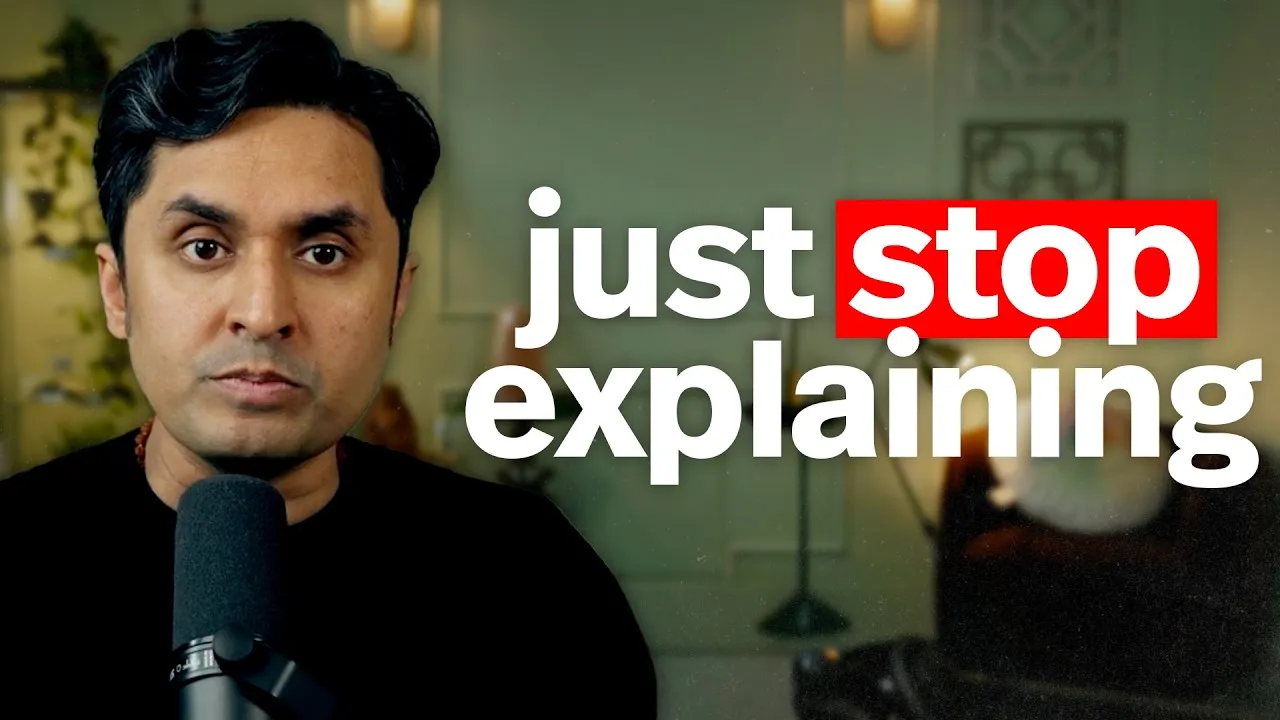
Stop Defensiveness: Master Criticism for Better Relationships
When faced with criticism, our natural instinct can be to defend ourselves. However, this defensiveness can often backfire, making others less likely to listen and potentially damaging relationships.
This is particularly true for individuals with neurodevelopmental conditions like ADHD and autism, who may experience heightened emotional responses and social challenges. Understanding the psychology behind defensiveness and employing specific strategies can help navigate criticism constructively, fostering better communication and stronger connections.
Understanding the Roots of Defensiveness
For individuals with ADHD or those on the autism spectrum, social interactions can present unique challenges. Research, including work cited by figures like Dr. Russell Barkley, suggests that individuals with ADHD may face social impairments from a young age, impacting their peer relationships. Similarly, autism is often associated with distinct social communication differences.
When these individuals make a mistake and attempt to explain themselves, their explanations are sometimes perceived as defensiveness. This defensiveness can be triggered by a range of factors:
- Emotional Dysregulation: Some research hypothesizes an “emotional dysregulation subtype” of ADHD. In this context, criticism can activate a strong stress response, leading to feelings of being attacked, fear, or paranoia, which in turn fuel defensiveness. The limbic system, associated with emotional processing, can become hyperactivated.
- Identity Threat: Defensiveness often skyrockets when criticism feels like an attack on one’s core identity. If a mistake is perceived as confirming a deep-seated insecurity (e.g., “I am stupid”), the reaction will be more pronounced. This is akin to how individuals with narcissistic traits might react, where an event becomes intrinsically linked to their self-worth. The key is distinguishing between making a mistake and the mistake defining who you are. For example, a smart person can make a mistake, but that doesn’t make them inherently stupid.
Strategies for Handling Criticism Constructively
The goal is to receive feedback without becoming defensive and to have mitigating circumstances understood. This requires a shift in perspective and approach:
1. Separate Action from Identity
The first step in managing defensiveness is an internal one: recognizing when criticism is tied to your identity. Before reacting, ask yourself: “What does this criticism say about me?” If your mind immediately links the feedback to your self-worth, defensiveness is likely to follow.
Consciously work to decouple the action from your identity. Remind yourself, “I made a mistake, but that doesn’t mean I am a mistake.” This internal work is crucial, especially for neurodiverse individuals whose self-perception may have been shaped by early experiences of social challenges.
2. Validate the Other Person’s Experience
When criticized, instead of immediately defending your actions, try to understand the other person’s perspective. This involves active listening and empathy. Statements like “Help me understand what you mean” or “Can you tell me more about that?” can de-escalate the situation.
By validating their feelings and inviting them to elaborate, you signal that you are willing to hear them, which can diffuse their need to escalate their complaint. This approach works because conflict often requires two people pushing back; by not pushing back, you can break the cycle.
3. Frame Explanations with Corrective Actions
While it can feel unsatisfying to simply accept criticism, especially when there are valid reasons for your actions, there’s a constructive way to share your side of the story. After validating the other person’s concerns, you can then explain the circumstances that contributed to the mistake. Crucially, follow this by outlining the corrective actions you plan to take.
For instance, if a report was submitted late due to a personal emergency, acknowledge the delay, briefly mention the circumstances (e.g., a sick child), and then state what you will do differently next time (e.g., “I will ensure I communicate any potential delays much earlier.”). This demonstrates accountability and a commitment to improvement, which is often what the other person truly seeks.
4. Develop Internal Confidence
A significant challenge, particularly for those with ADHD or autism, can be low self-esteem stemming from past social difficulties. This can lead to two unhealthy extremes: either becoming overly defensive or accepting all criticism without question.
The latter can be a learned adaptation where arguing led to negative outcomes, so individuals learn to absorb all blame. However, constantly accepting blame can lead others to criticize you more frequently and can prevent the development of self-confidence.
The healthy middle ground is achieved by building internal confidence and self-esteem. This allows you to own your mistakes when they are yours, but also to constructively point out shared responsibility or external factors when appropriate.
This confidence enables you to distinguish between valid feedback and unfair blame. It allows you to say, “Yes, I made this mistake, and here’s what I’ll do to fix it,” while also being able to say, “I also need to point out that I received the necessary information later than expected.”
5. Understand the Nuance of Shared Responsibility
When appropriate, after owning your part and demonstrating a plan for improvement, you can gently introduce the other party’s role. This should be done carefully and sequentially: first, listen and acknowledge their concerns, then own your mistakes, and finally, if necessary, point out other contributing factors.
A simple question like, “Here’s what I’m planning to change. What are your thoughts on what we can both do differently?” can signal that you are not accepting sole responsibility without being immediately confrontational.
The Danger of Extreme Responses
It’s vital to avoid the extremes. Unchecked defensiveness alienates others. Conversely, accepting all blame can lead to being unfairly burdened and can erode self-esteem.
The goal is a balanced approach rooted in self-awareness, empathy, and a commitment to growth. By practicing these strategies, individuals, especially those navigating neurodevelopmental differences, can transform potentially damaging interactions into opportunities for improved understanding and stronger relationships.
Disclaimer: This article is for informational purposes only and does not constitute medical advice. Always consult with a qualified healthcare professional for any health concerns or before making any decisions related to your health or treatment.
Source: Why Nobody Wants to Hear You Over Explain (YouTube)