Men’s Emotional Suppression Fuels Addiction Risk
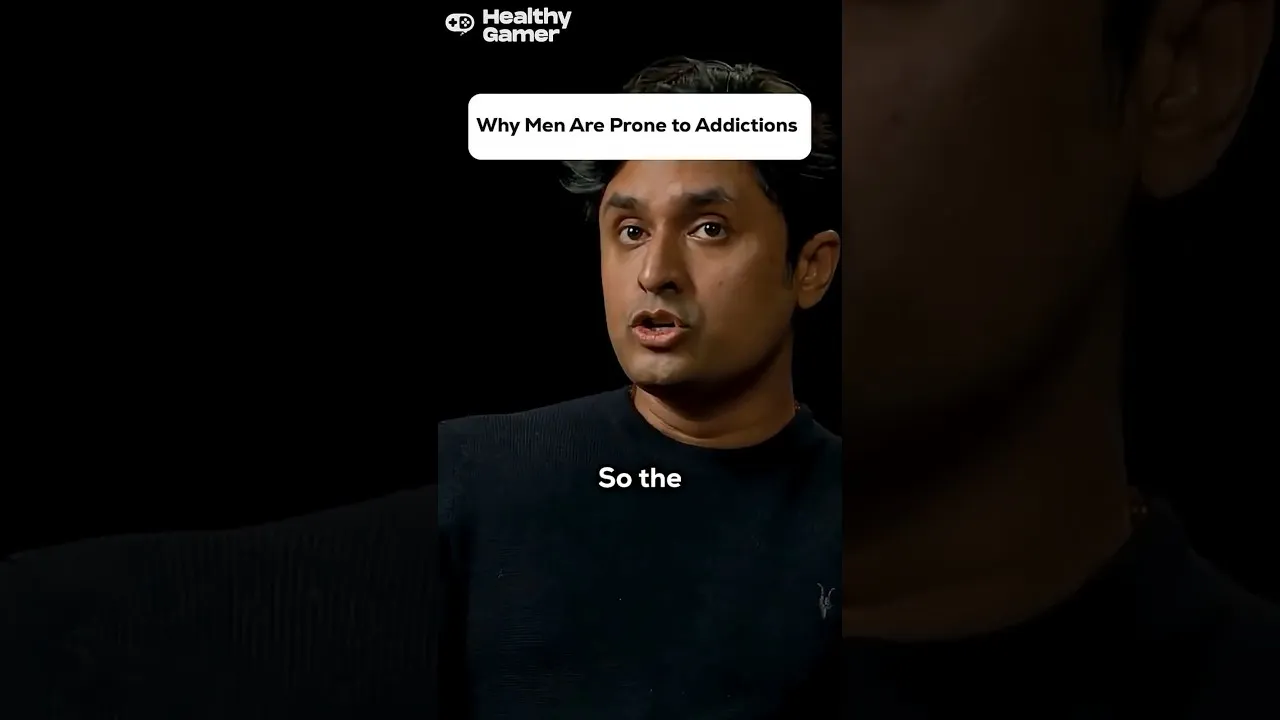
Men are significantly more vulnerable to addiction than women, a disparity largely linked to societal pressures that discourage emotional expression and hinder the development of healthy emotional regulation skills. This can lead to a greater reliance on addictive substances and behaviors to cope with negative feelings, contributing to higher rates of addiction and suicide among men.
The Emotional Disconnect in Men
A key difference in the male experience, as highlighted by insights from addiction specialists, is the way men tend to relate to their emotions. There’s a prevalent tendency for men to suppress feelings, often due to societal norms that equate emotional openness with weakness. This suppression can lead to underdeveloped skills in emotional regulation – the ability to understand, manage, and respond to one’s emotions in a healthy way.
This emotional disconnect has profound consequences. Experts point to it as a significant factor behind the stark statistics: men’s suicide rates are approximately four times higher than women’s, and addiction rates are estimated to be 60% to 80% higher for men.
Addiction as a Coping Mechanism
Addiction, fundamentally, offers a powerful, albeit destructive, pathway to managing emotional pain. Addictive substances and behaviors provide a temporary sense of pleasure and, crucially, serve to numb or eliminate negative emotions. This makes them particularly appealing to individuals who lack effective coping strategies for distress.
Consider common examples: video games can offer an escape, effectively shutting down the parts of the brain that process negative emotions. Similarly, alcohol can act as a depressant, dulling feelings of anxiety, sadness, or stress. These activities provide a quick, albeit artificial, reprieve from emotional discomfort.
The Nuances of Marijuana Use
Even substances not typically viewed as highly addictive can become problematic for individuals struggling with emotional regulation. Marijuana use, for instance, presents a complex case. While not always perceived as crippingly addictive, some individuals report a profound dependence on it to feel “normal.” For these individuals, marijuana doesn’t necessarily induce a high but rather allows them to function and experience life without the overwhelming presence of anxiety or other negative emotions that plague them when sober.
When these individuals stop using marijuana, their minds can become flooded with distress, particularly anxiety. This illustrates how, for some, even less overtly addictive substances can serve as a crucial, yet ultimately harmful, tool for emotional avoidance.
Why Men Are Particularly Vulnerable
The heightened vulnerability of men to addiction stems directly from this deficit in emotional regulation skills. Because men may have less practice and societal encouragement in identifying, processing, and managing their emotions, they are more likely to turn to external means – like addictive behaviors – to achieve emotional balance. When faced with stress, disappointment, or sadness, the immediate impulse might be to seek the numbing effect offered by an addiction, rather than employing internal coping mechanisms.
Building Resilience Through Emotional Literacy
Addressing this issue requires a multi-faceted approach. Encouraging men to develop emotional literacy – the ability to understand and articulate their feelings – is paramount.
This involves creating safe spaces for men to express themselves without judgment and providing tools and education on healthy emotional regulation techniques. Practices such as mindfulness, therapy, journaling, and open communication can help build resilience against the allure of addictive coping mechanisms.
Seeking Help and Support
It’s crucial to recognize that addiction is a complex issue often rooted in underlying emotional pain. If you or someone you know is struggling with addiction or difficulties in managing emotions, seeking professional help is a sign of strength. Therapists, counselors, and support groups can provide invaluable guidance and support in developing healthier coping strategies and overcoming addiction.
Key Health Takeaways
- Men’s tendency to suppress emotions and lack of practice in emotional regulation contribute significantly to higher addiction rates.
- Addictions, whether to substances like alcohol or behaviors like gaming, often serve as a way to numb or escape negative emotions.
- Even substances like marijuana can become a crutch for individuals unable to manage anxiety or other difficult feelings without them.
- Developing emotional literacy and healthy regulation skills is crucial for men to build resilience against addiction.
- Seeking professional help from therapists or support groups is a vital step for those struggling with addiction or emotional distress.
This article is for informational purposes only and does not constitute medical advice. Always consult with a qualified healthcare provider for any health concerns or before making any decisions related to your health or treatment.
Source: Why Men Are Prone to Addictions @FrontRowSeat (YouTube)