Understanding Polio: A Fight We Can Still Win
Polio, a devastating disease that once caused widespread paralysis, particularly in children, is a clear reminder of the power of infectious diseases. For decades, it struck fear into communities, leaving hundreds of thousands paralyzed each year.
However, the development of vaccines brought us to the brink of eradicating this virus. This article will guide you through the history of polio, the impact of vaccines, and why continued vigilance is crucial to ensuring its complete elimination.
What You Will Learn
- The historical impact of polio and its devastating effects.
- How vaccines have dramatically reduced polio cases worldwide.
- The current status of polio eradication efforts.
- The critical importance of maintaining high immunization rates to prevent resurgence.
- What steps are being taken to achieve global polio eradication.
The Scourge of Polio
Before the advent of vaccines, polio was a terrifying endemic disease. It spread primarily through contaminated water and food, and direct contact with an infected person’s feces. The virus could attack the nervous system, leading to muscle weakness and paralysis.
While many infected individuals showed no symptoms or only mild ones, a significant number, especially children, suffered permanent disability. The images of children in iron lungs, struggling to breathe, are etched into the collective memory of the 20th century. The sheer scale of suffering was immense, with hundreds of thousands of children falling victim to the disease annually.
The Dawn of Hope: Vaccines
The development of polio vaccines marked a turning point in the fight against the disease. Two main types of vaccines have been instrumental:
1. The Inactivated Polio Vaccine (IPV)
Developed by Dr. Jonas Salk and introduced in 1955, IPV is an injectable vaccine containing a killed version of the poliovirus. It stimulates an immune response without causing the disease. IPV is highly effective at preventing paralytic polio and is used in many countries, including the United States.
2. The Oral Polio Vaccine (OPV)
Developed by Dr. Albert Sabin and approved for use in 1962, OPV is a live-attenuated vaccine, meaning it uses a weakened form of the poliovirus. It is administered orally, making it easier to distribute, especially in mass vaccination campaigns. OPV not only protects the individual but also provides a degree of community immunity by shedding the weakened virus, which can immunize others.
The Near Eradication
Thanks to widespread vaccination campaigns, the global incidence of polio has been reduced by over 99.9% since 1988. The number of paralytic polio cases dropped from an estimated 350,000 in 1988 to just a handful in recent years.
Polio has been eliminated from most parts of the world, including the Americas, Europe, Southeast Asia, and Africa. This near-eradication is one of the greatest public health achievements in history, proof of global cooperation and the power of vaccination.
The Persistent Threat: Why the Fight Isn’t Over
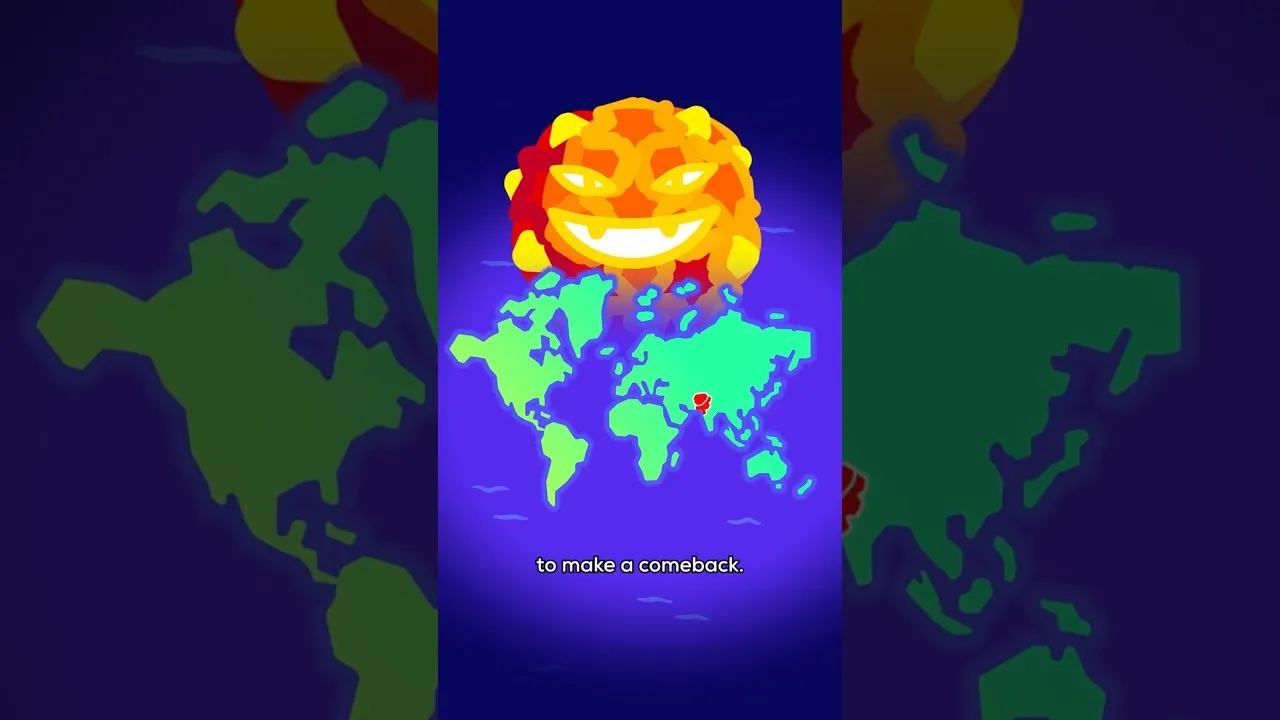
Despite this remarkable progress, polio has not yet been completely eradicated. Two of the three wild poliovirus types have been eradicated.
However, wild poliovirus type 1 (WPV1) still circulates in a few countries, primarily Afghanistan and Pakistan. These remaining pockets of the virus pose a constant threat of reintroduction to polio-free regions if immunization rates fall.
Reasons for Persistence:
- Incomplete Vaccination Coverage: In some areas, particularly those affected by conflict or with limited access to healthcare, vaccination coverage remains insufficient to prevent transmission.
- Vaccine-Derived Poliovirus (VDPV): In rare instances, the weakened virus in the OPV can mutate over time and regain the potential to cause paralysis. This can happen in under-immunized populations where the virus circulates for extended periods. While IPV does not pose this risk, the global strategy has relied heavily on OPV for its community immunity benefits.
- Logistical Challenges: Reaching every child in remote or conflict-affected areas with vaccines is a monumental logistical challenge.
- Misinformation and Hesitancy: Vaccine hesitancy, fueled by misinformation, can undermine vaccination efforts.
The Path to Eradication: What Needs to Happen
Achieving global polio eradication requires a sustained and coordinated effort:
1. Maintain High Immunization Rates
The most critical factor is ensuring that nearly every child worldwide receives the polio vaccine. High coverage rates (typically above 95%) are essential to stop the virus from spreading and to prevent outbreaks, whether from wild poliovirus or VDPV. This means strengthening routine immunization programs and conducting supplementary immunization activities.
2. Strengthen Surveillance Systems
Robust surveillance systems are vital to detect any poliovirus transmission quickly. This involves monitoring for cases of acute flaccid paralysis (AFP), the primary indicator of polio, and testing environmental samples (like sewage) for the presence of the virus.
3. Transition to IPV-Dominated Strategies
As wild poliovirus is being eliminated, countries are gradually transitioning to IPV-only or IPV-containing vaccine schedules. This reduces the risk of VDPV outbreaks while maintaining individual protection. The global switch from trivalent OPV (which protects against all three types) to bivalent OPV (protecting against types 1 and 3) was a significant step in this transition.
4. Address Conflict and Access Barriers
Efforts must be made to ensure that vaccination teams can safely access all children, even in challenging environments. This requires collaboration with local communities, leaders, and humanitarian organizations.
5. Combat Misinformation
Public health campaigns must actively counter misinformation and build trust within communities to encourage vaccine acceptance.
Conclusion: A Collective Responsibility
Polio is a virus that we have come incredibly close to defeating. The success of vaccines is undeniable, transforming a global scourge into a disease on the verge of extinction. However, the fight is not over until polio is eradicated from every corner of the globe.
Continued commitment to vaccination, robust surveillance, and global cooperation are essential to ensure that future generations are born into a world free from this debilitating disease. The virus we almost beat can still spread if we let our guard down, making this a fight that requires ongoing vigilance and collective action.
Source: The Virus We Almost Beat (YouTube)