Discover How Trees Harness Air and Soil to Achieve Their Immense Size
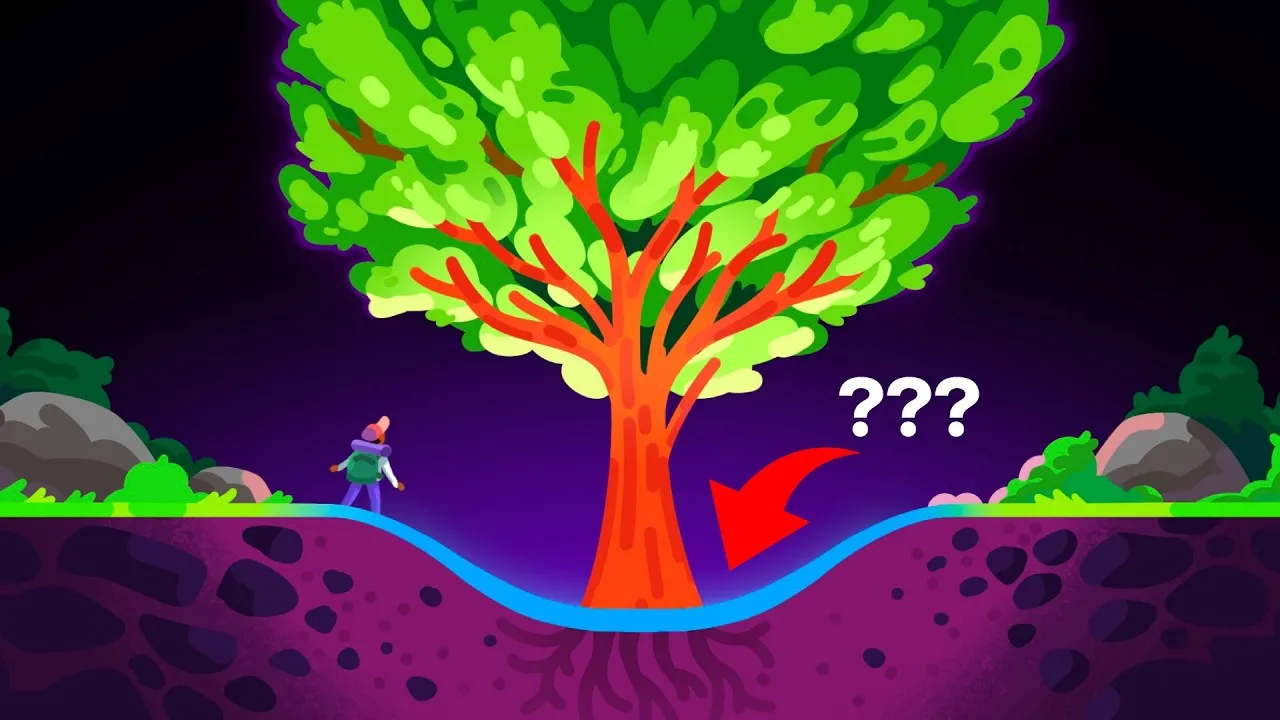
Trees, the titans of the natural world, can weigh up to 2,000 tons – as much as ten blue whales. Despite their staggering mass, they are anchored by surprisingly shallow root systems. You might wonder how such colossal organisms grow without leaving massive holes in the ground.
The secret lies in their remarkable ability to ‘eat’ thin air and mine the earth in ways that defy imagination. This article will guide you through the fascinating processes of photosynthesis and root nutrient acquisition that allow trees to thrive.
Prerequisites
No specific tools or prior knowledge are required for this tutorial. All you need is curiosity and a willingness to understand the incredible science behind tree growth.
Step 1: Understanding the Primary Building Material – Carbon from Air
Carbon is the fundamental building block of all life. While it exists in the air and oceans, its concentration in the atmosphere is remarkably low – only about 0.04% or 425 parts per million as carbon dioxide (CO₂). To gather the vast amounts of carbon needed for their immense size, trees have evolved highly efficient systems.
The Role of Tree Crowns and Leaves
A tree’s crown acts as a sophisticated biological factory. Branches, sub-branches, and millions of twigs are designed to capture sunlight, directing the tree’s growth towards it. The leaves, numbering up to a million on a mature tree, are the primary sites of this carbon harvesting.
- Leaf Structure: Leaves are incredibly thin, often just ten cells thick, maximizing surface area for light absorption. The top layer is a transparent protective ‘skin’ that allows sunlight to penetrate while retaining moisture.
- Photosynthesis Hubs: Beneath the skin lie layers of ‘factory cells’ packed with chloroplasts. These organelles are where the magic of photosynthesis occurs, converting light energy, water, and CO₂ into sugars.
- Gas Exchange: A spongy layer of cells facilitates the movement of gases within the leaf. Vein-like structures transport sugars produced in the leaves to other parts of the tree and carry water and minerals up from the roots.
- Stomata: The underside of the leaf is dotted with hundreds of thousands of stomata, tiny pores regulated by two guard cells that open and close to control gas exchange.
Step 2: The Process of Photosynthesis – Turning Air into Sugar
Photosynthesis is the core process by which trees convert atmospheric CO₂ into usable energy and building materials. While the detailed biochemistry is complex, the fundamental steps involve using sunlight to split water molecules.
- Water Splitting: Sunlight provides the energy to break down water (H₂O) into hydrogen (H) and oxygen (O₂).
- Oxygen Release: The oxygen is released into the atmosphere as a byproduct. Interestingly, about 95% of the water absorbed by the roots is transpired (released as vapor) through the stomata, which helps cool the leaves and the surrounding air. This transpiration can even contribute to cloud formation and rainfall.
- Sugar Production: The remaining hydrogen is combined with carbon dioxide (CO₂) from the air to create glucose (C₆H₁₂O₆), a simple sugar. This glucose serves as both an energy source and a fundamental building block for the tree.
Cellular Respiration: Using the Harvested Carbon
Like all living organisms, trees need to ‘burn’ their sugars to release energy for their cells. This process, called cellular respiration, requires oxygen.
- Oxygen Intake: Trees absorb oxygen not only through their leaves but also through small cracks in their bark and even through their root tips, accessing air pockets in the soil.
- Continuous Process: Respiration occurs constantly, especially at night when photosynthesis stops. Trees reabsorb some of the oxygen they produce, while much of the rest is used by microbes and other organisms in the environment.
Step 3: The Underground Empire – Roots Mining for Nutrients
While trees ‘eat’ air for the bulk of their material, their roots play a key role in acquiring essential minerals and water that are not abundant in the atmosphere.
Root System Design
Tree roots are not a simple mirror image of their crowns. They spread widely and shallowly to capture rainwater, with about 50% concentrated in the top 25 centimeters of soil. In dry conditions, some roots may grow deep to find water, but most remain relatively close to the surface.
Navigating the Soil Maze
Roots must navigate a complex and unpredictable underground environment containing rocks, dry patches, nutrients, and competing roots. To do this, they have developed sophisticated sensory and mining capabilities:
- Root Cap: The tip of each root is protected by a root cap containing specialized cells that sense gravity, enabling the root to grow downwards. Other cells detect moisture, temperature, chemical gradients, and even vibrations from water sources.
- Command Centers: Behind the root cap, ‘command center’ cells process this sensory information, generating electrical pulses and chemical signals to guide root growth. These centers appear to communicate with each other.
- Root Hairs: Tiny, fuzzy structures called root hairs extend from the roots, increasing surface area to absorb water and dissolved minerals efficiently.
Mining Hard Materials
Many essential nutrients are locked away in solid rock. Roots employ several strategies to access these resources:
- Hydraulic Jacking: Roots can grow into fine cracks in rocks. As they absorb water, they swell, exerting immense pressure – like tiny hydraulic jacks – capable of breaking even hard rock.
- Chemical Dissolution: Roots release acids into rock fractures, dissolving the bonds that hold minerals together. Specialized molecules then capture these released nutrients before they can be washed away.
Step 4: The Symbiotic Alliance – Partnering with Fungi
Even with these impressive adaptations, trees benefit immensely from a symbiotic relationship with fungi. Fungal networks, known as mycelia, can extend for kilometers underground, reaching nutrient pockets inaccessible to roots.
- Trade Agreement: Trees provide fungi with sugars produced during photosynthesis. In return, the fungi collect and deliver water and essential minerals (like phosphorus and nitrogen) to the tree.
- Mycorrhizal Networks: Some fungi grow directly into root cells, forming ‘trade posts’ where resources are exchanged. Others envelop root tips, providing protection against harmful microorganisms.
- Vast Underground Systems: These fungal networks can be incredibly extensive, connecting the roots of multiple trees, sometimes even across different species. In a small volume of healthy forest soil, kilometers of tree roots can be intertwined with hundreds of kilometers of fungal hyphae.
Conclusion: An Intricate and Wild World
The growth of trees is proof of millions of years of evolution, involving sophisticated biological machinery for harvesting atmospheric carbon and ingenious methods for mining the earth’s resources. The intricate relationships between trees, fungi, and the soil ecosystem highlight the complexity and wonder of the natural world. Understanding these processes reveals why trees can grow to such immense sizes without leaving visible holes in the ground – they are masters of utilizing the air and the subtle, yet powerful, resources hidden beneath our feet.
Source: Why Are There No Holes Around Trees? (YouTube)