How to Read the Symbolism of Houses in Literature
In literature, a house is rarely just a building. It can be a powerful symbol, revealing characters’ identities, cultural contexts, and even political landscapes. This guide will teach you how to analyze the deeper meanings embedded within the homes described in Latin American literature, using key examples to illustrate the concepts.
What You Will Learn
- How a character’s personal space reflects their inner self and identity.
- How literary houses can symbolize broader cultural and political conflicts.
- How authors use the concept of ‘home’ to explore themes of belonging, family, and nationhood.
Prerequisites
No specific prior knowledge is required, but familiarity with literary analysis concepts will be helpful.
Step-by-Step Guide to Analyzing Houses in Literature
Step 1: Understand the House as a Reflection of Personal Identity
A character’s home can offer intimate clues about who they are. The objects they keep, the way they arrange their space, and even their feelings about their dwelling can all speak volumes about their personality, desires, and struggles.
Example: Sandra Cisneros’s “The House on Mango Street”
In this novel, twelve-year-old Esperanza Cordero’s feelings about her family’s dilapidated house mirror her own discomfort with her identity. As a Chicana growing up between Mexican and American cultures, Esperanza feels like an outsider. Her Spanish name, like the house on Mango Street, feels like an ill fit.
She connects her great-grandmother’s fate—being married against her will and looking out the window her whole life—to the broader experience of women feeling trapped within the domestic sphere. By rejecting the house, Esperanza begins to reject a traditional, limited vision of femininity and seeks to define herself as a storyteller, creating a “home in the heart” through her writing.
Tip: Pay attention to how characters describe their living spaces. Are they proud, ashamed, indifferent?
Do they long for a different kind of home? These reactions are key to understanding their personal journeys.
Step 2: Recognize Houses as Symbols of Political and National Identity
Beyond personal reflections, houses in literature can represent larger collective identities, including political ideologies and national characteristics. Authors use these spaces to critique or explore the social and political fabric of their societies.
Example: Isabel Allende’s “The House of the Spirits”
Allende uses the contrasting houses in her novel to symbolize the political divisions in her native Chile. The story centers on the Trueba family and their two main residences:
- The Big House on the Corner: Presided over by Clara, who represents the liberal left-wing, this house is a vibrant space filled with artists, students, and spiritualists. Its design, with twisting passageways and whimsical stairways, reflects freedom and imagination.
- Tres Marías: This rural hacienda is the domain of Esteban, a wealthy, right-wing senator who embodies authoritarianism and exploitation. Its heavy, severe furniture mirrors his harsh politics.
The political tensions within the family are passed down through generations, mirroring the ongoing political struggles in Chile. Women, though often excluded from formal politics, significantly influence and are affected by these conflicts, using the domestic sphere and its hidden spaces to resist oppression.
Expert Note: Consider the architecture and atmosphere of the houses. Do they feel open or closed, modern or traditional, chaotic or orderly? These details often carry symbolic weight related to the political climate.
Step 3: Analyze Houses as Spaces of Community and Alternative Families
Literature also broadens our understanding of ‘home’ and ‘family’ by showcasing unconventional living arrangements and communities. These spaces offer sanctuary and belonging to those who have been marginalized.
Example: Camila Sosa Villada’s “Bad Girls”
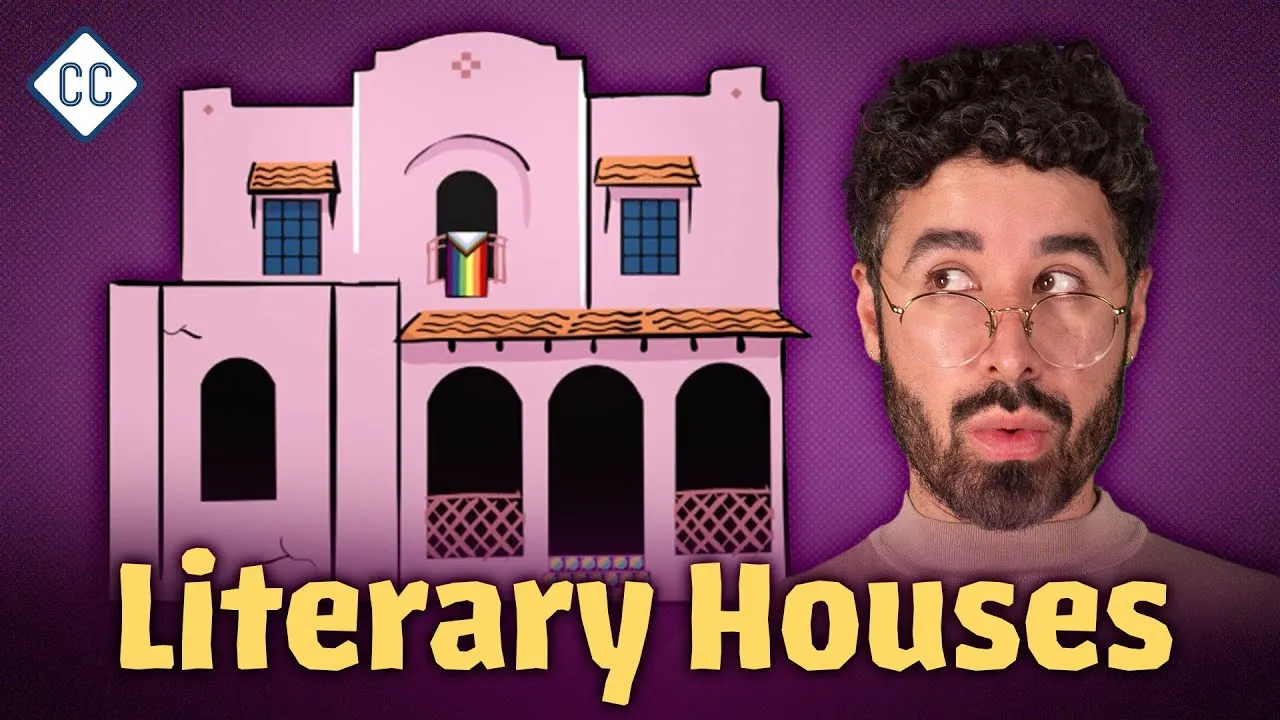
Villada’s novel features a group of trans women who find a chosen family in a large, pink, run-down building in Córdoba, Argentina. This “fabled pink house,” managed by the matriarchal Tía Encarna, is a refuge for young women rejected by their biological families. Here, they forge sisterhood and find a sense of belonging.
The house itself, as it becomes vandalized and falls into disrepair, mirrors the ongoing struggles and vulnerabilities of its residents in a transphobic society. It is described as “the queerest boardinghouse in the world,” challenging traditional notions of home and family.
Warning: Be mindful of how the physical condition of a house relates to the well-being of its inhabitants. Deterioration can symbolize external threats or internal struggles.
Step 4: Connect Literary Houses to the Reader’s Own Experience
Reading about houses in literature is akin to being invited into an author’s world. By exploring these symbolic spaces, readers gain new perspectives on different ways of living, diverse identities, and complex social dynamics. Just as Esperanza finds a new home in her storytelling, readers can find new understanding and empathy through literary exploration.
Tip: After reading, reflect on how the author’s portrayal of a house compares to your own understanding of home and belonging. What new insights did you gain?
Source: The Hidden Politics of Home: Crash Course Latin American Literature #8 (YouTube)