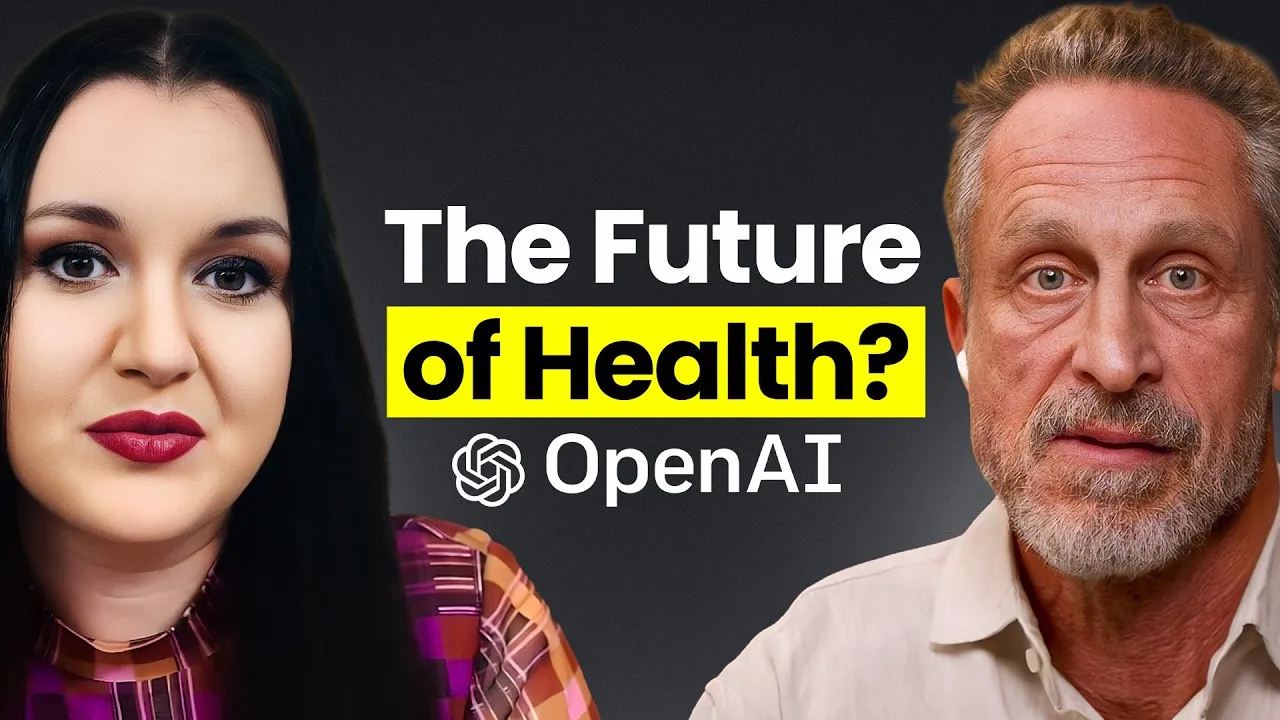
AI Empowers Health: Understand Your Body Better Now
At a time when navigating personal health information can feel more complex than operating a smartphone, Artificial Intelligence (AI) is emerging as a powerful ally. Fidji Simo, CEO of Applications at OpenAI, the company behind ChatGPT, is spearheading an initiative to leverage AI, particularly through ChatGPT Health, to help individuals gain unprecedented control and understanding of their own well-being. This technological advancement promises to address critical gaps in healthcare, especially for those dealing with complex chronic illnesses.
The Challenge: A Fragmented Healthcare System
Many individuals, and even healthcare professionals, struggle to connect the dots within a person’s complete health profile. Simo, drawing from her own challenging health journey, highlights this systemic issue.
After experiencing debilitating symptoms like fainting and extreme fatigue following pregnancy and surgery, she was diagnosed with neuroimmune conditions such as Postural Orthostatic Tachycardia Syndrome (POTS) and Chronic Fatigue Syndrome. Her experience revealed a healthcare system often characterized by specialization, where doctors focus on specific organs or symptoms rather than the body as an interconnected network.
“There’s a specialty for every part of your body and there’s literally a doctor for every inch of you,” Simo explained. “And I think what most doctors miss is the body’s one network, and networks are hard to understand.” This fragmented approach often leaves patients with chronic, multi-system illnesses feeling lost, as individual specialists may not see the broader picture or identify underlying root causes.
Dr. Mark Hyman, host of the podcast where Simo shared these insights, echoed this sentiment, relating his own experience with a severe, undiagnosed chronic illness that took years and extensive personal research to uncover. He emphasized that traditional medicine, while making strides, is often slow to adapt and can be reductionist in its approach to the body’s immense complexity.
AI’s Role: Connecting the Dots and Unlocking Insights
AI, specifically through platforms like ChatGPT Health, offers a novel solution by synthesizing vast amounts of personal health data. Simo shared a personal anecdote where, during a hospitalization for an infection, she used ChatGPT to check an antibiotic prescribed by a nurse.
The AI, having access to her integrated health records, flagged that the antibiotic could reactivate a serious prior infection. This information allowed her to discuss alternatives with the medical team, potentially averting a serious complication.
“One of the most important decisions of my life would have been kind of messed up if it wasn’t for AI helping connect the dots,” Simo stated. She explained how AI can analyze comprehensive datasets—including medical records, lab results, genetic information, and even data from wearables like Apple Health—to identify patterns that a single human doctor, limited by time and specialization, might miss.
The ability of AI to process a patient’s entire genome, for instance, can reveal variations that influence nutrient needs or suggest potential drug interactions or benefits that traditional approaches might overlook. Simo noted that her genetic analysis, processed by AI, helped identify specific needs for methylated B vitamins and suggested potential therapeutic avenues previously unconsidered by her doctors.
Beyond Disease: Creating Health and Personalization
Beyond simply managing or diagnosing diseases, AI holds the promise of fostering proactive health and well-being. Simo contrasts the current “sick care” model with the potential for preventative and personalized health coaching powered by AI. Imagine an AI assistant that analyzes your sleep data from a wearable, suggests an appropriate exercise routine for the day, and recommends dietary choices, then reassesses your progress the next day.
“We’re going to be able to help people understand not just to treat disease or prevent disease, but how do we actually create health?” Simo posited. This shift from a reactive, disease-focused model to a proactive, health-creation model is a significant paradigm change. While traditional prevention often focuses on screenings and managing risk factors, AI can facilitate a deeper understanding of individual physiology and lifestyle impacts, leading to truly personalized health strategies.
Dr. Hyman added that defining “health” itself has been a challenge for medicine, which traditionally focuses on the absence of disease. AI, by analyzing comprehensive data, can help define what optimal health looks like for an individual, moving beyond generic advice like “eat better, exercise more.”
The Future: Collaboration and Actionability
The development of ChatGPT Health relies heavily on partnerships with other health technology companies, such as Function Health, which aggregates biomarker data, and services like Instacart, which can make nutritional advice actionable. Simo emphasizes the need to integrate data from various sources—wearables, health records, lab results—to provide users with a holistic view of their health.
“The whole point is like having one place where all of these different parts of your health can be connected into so that we can see the full picture,” Simo stated. By partnering with companies that offer diverse data inputs and actionable services (like Instacart for medically tailored meals), AI platforms can help close the loop from understanding to implementation.
This collaborative approach aims to make personalized health advice not just accessible but also practical, enabling individuals to make meaningful changes and work towards creating and maintaining optimal health.
Key Health Takeaways
- AI, exemplified by ChatGPT Health, can help individuals understand their complex health data by synthesizing information from various sources like medical records, genetics, and wearables.
- The current healthcare system often struggles with fragmentation, making it difficult to identify root causes of chronic illnesses. AI can bridge this gap by analyzing the body as an interconnected network.
- Personal health data, when analyzed by AI, can reveal patterns and insights that may be missed by traditional medical approaches, leading to more personalized diagnoses and treatment strategies.
- AI has the potential to shift the focus from treating disease to proactively creating health, offering personalized lifestyle and wellness guidance.
- Partnerships between AI platforms and health tech companies are crucial for integrating diverse data sources and making health recommendations actionable for individuals.
Disclaimer: This article is for informational purposes only and does not constitute medical advice. Always consult with a qualified healthcare provider for any health concerns or before making any decisions related to your health or treatment.
Source: How OpenAI Is Helping People Take Control of Their Health | Fidji Simo (YouTube)