Explore the Chilling World of Latin American Horror Literature
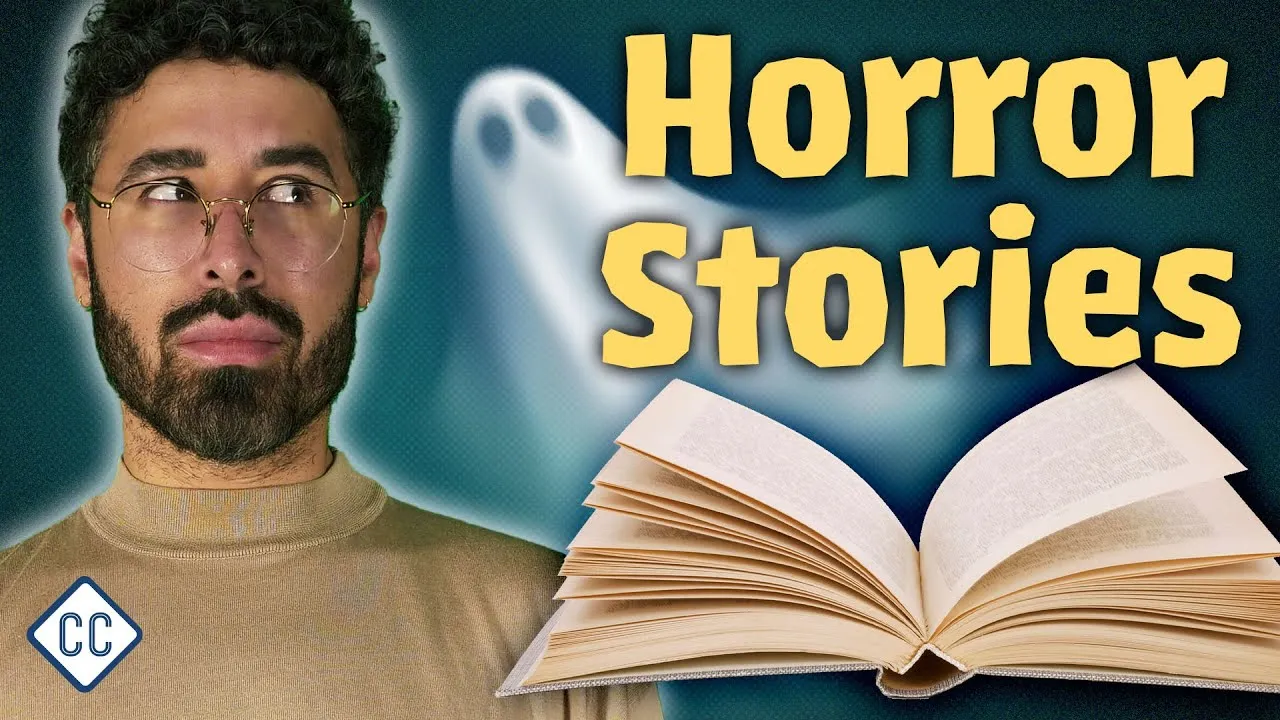
Latin American literature boasts a rich tradition, and within it, the horror genre is now a powerful tool for exploring societal issues, historical trauma, and the anxieties of everyday life. This guide digs into the origins and evolution of Latin American horror, highlighting key authors and works that have shaped this compelling literary landscape.
Understanding the Roots of Fear
While ghosts and spirits are deeply ingrained in Latin American folklore and religious practices—often a blend of indigenous traditions and Spanish Catholicism, as seen in Mexico’s vibrant Día de Muertos—the literary horror genre is a more recent development. However, its roots can be traced back to influential works that grappled with violence, despair, and the desolate aspects of human experience.
Step 1: Discover Juan Rulfo’s “Pedro Páramo”
A foundational text in Latin American literature, Juan Rulfo’s 1955 novel Pedro Páramo is an early and significant example of the genre’s potential. Born from Rulfo’s own experiences with violence and loss in rural Mexico, the novel tells the story of Juan Preciado’s search for his estranged father, Pedro Páramo, in the ghost town of Comala.
- The Setting: Comala is not just a town; it’s a desolate, abandoned place populated by the lingering spirits of its former inhabitants. The name itself, “Páramo,” translates to “wasteland,” reflecting both the physical decay and the emotional barrenness of the community.
- The Narrative Style: Rulfo masterfully blends historical influences with innovative literary techniques. He employs elements of environmental determinism, suggesting that the harsh landscape mirrors the fate of its people. The novel also draws from the genre of la novela del dictador (the dictator novel), portraying Páramo as a cruel, powerful figure akin to a political strongman.
- Literary Innovations: Rulfo experimented with stream of consciousness, allowing readers direct access to characters’ thoughts, and utilized flashbacks to create a non-chronological narrative. This created a dreamlike, unsettling atmosphere that resonated deeply with subsequent generations of writers.
Expert Note:
Douglas J. Weatherford’s English translation captures the essence of Rulfo’s iconic opening line: “I came to Comala because I was told my father lived here, a man named Pedro Páramo.” However, many argue that the original Spanish carries a unique lyrical power.
Step 2: Recognize “Pedro Páramo’s” Influence on the Latin American Boom
Despite initial perplexity from some casual readers, Pedro Páramo had a profound impact on Latin American writers, particularly those associated with the literary Boom of the 1960s. Authors like Gabriel García Márquez cited Rulfo’s work as a major inspiration for their own explorations of reality and the fantastical, most notably in Márquez’s masterpiece, One Hundred Years of Solitude.
Step 3: Explore the “Nuevo Gótico Latinamericano”
In recent decades, a new wave of Latin American horror writers has emerged, often referred to as practitioners of the nuevo gótico latinamericano (new Latin American gothic). These authors use the horror genre to confront contemporary social and political issues specific to the region.
- Mariana Enríquez: The Argentinian author Mariana Enríquez, writing in the shadow of her country’s dictatorial past, uses horror to explore pervasive feelings of fear and dread. Her work often blurs the lines between literal ghosts and historical trauma, suggesting that the past continues to haunt the present. Her short story collection, The Things We Lost in the Fire, features tales that dig into this unsettling intersection.
- Focus on Social Issues: This subgenre tackles pressing concerns such as drug abuse, police violence, poverty, and particularly the issues affecting women. Horror becomes a vehicle to draw attention to these often-difficult realities.
Expert Note:
Enríquez describes ghosts as “somebody trapped in its trauma, personal or historical, repeating it forever, impossible to calm down, unable to break the cycle, desperate for a voice and for justice.” This powerful metaphor highlights how the genre grapples with unresolved societal pain.
Step 4: Connect with Indigenous and Environmental Themes
Some contemporary Latin American horror writers draw inspiration from even older traditions and the natural environment, creating unique subgenres.
- Mónica Ojeda’s “Las Voladoras”: The Ecuadorian writer Mónica Ojeda infuses her work, such as the short story collection Las Voladoras, with Incan mythology and folklore. She connects ancient spirits and mythical creatures to modern challenges, linking contemporary issues to deep historical roots.
- Gótico Andino: Ojeda’s writing, influenced by the dramatic landscapes of the Andes Mountains, is sometimes categorized as Gótico Andino (Andean Gothic). This approach echoes Rulfo’s environmental determinism, where the natural world mirrors societal problems.
- Empowerment Through Storytelling: Ojeda suggests that these traditional stories, even when infused with horror, can help alleviate fear and “dissolve the harshness of the experience” for Latin American women, offering a sense of empowerment through narrative.
Warning:
While these works explore dark themes, they often carry an underlying message of resilience and the power of storytelling to process difficult experiences.
Step 5: Explore Contemporary Authors and the “Female Boom” Debate
The popularity of Latin American gothic horror has led to a proliferation of talented authors and a discussion about its classification.
- Notable Works: Explore titles like Fernanda Melchor’s Hurricane Season, Liliana Colanzi’s You Glow in the Dark, Maria Fernanda Ampuero’s Human Sacrifices, and Dolores Reyes’s Eartheater.
- The “New Boom” or “Female Boom”: Some have labeled this surge in writing by women as the “new boom” or “female boom.” However, many authors find these labels problematic.
- Critique of Labels: The term “female boom” can inadvertently marginalize female writers, suggesting they are an “alternate” to a male-dominated literary canon. As María Fernanda Ampuero points out, such labels can shift focus from the quality of the work itself to the author’s gender.
Conclusion: Horror as a Mirror to Reality
Latin American horror literature, from its early explorations of desolation and trauma to its contemporary engagement with social injustices, is a powerful lens through which to examine the complexities of the region. These writers transform everyday fears and historical anxieties into compelling narratives, urging readers to confront uncomfortable truths while showcasing the enduring power of storytelling.
Source: Horror in Latin American literature: Crash Course Latin American Literature #6 (YouTube)