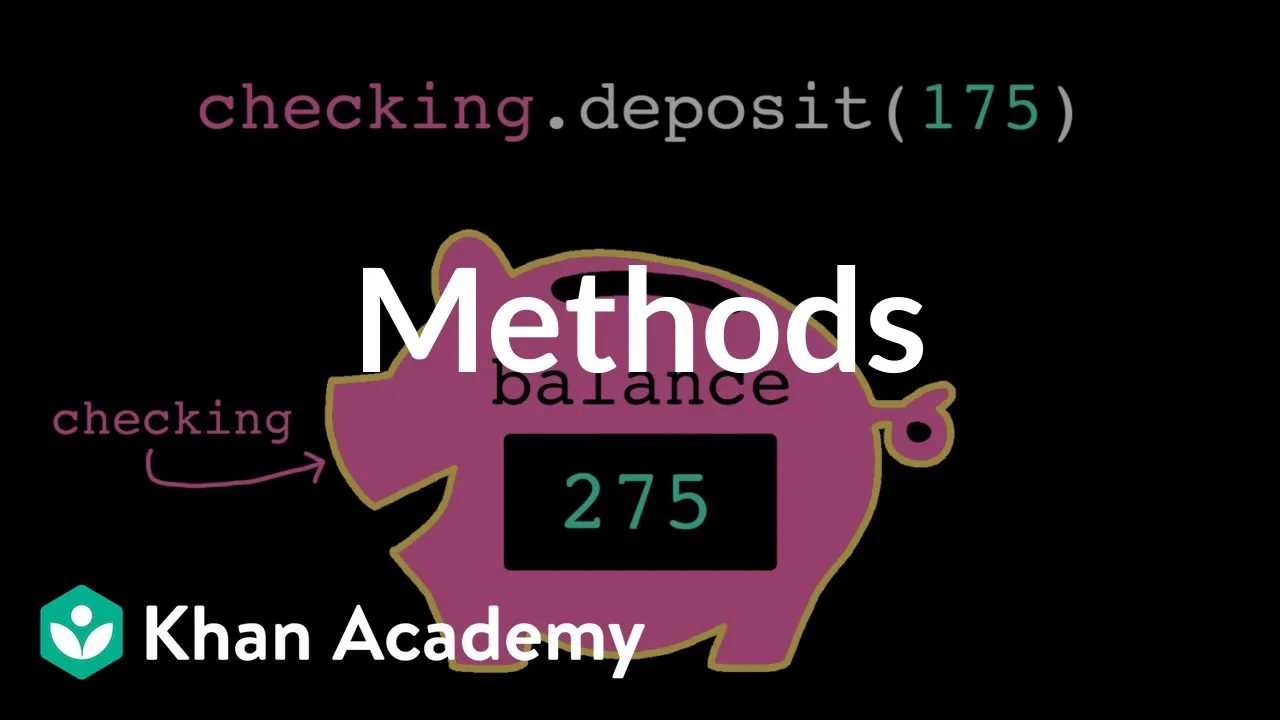
Learn to Harness the Power of Python Objects with Methods and Encapsulation
In Python, objects are more than just containers for data; they are powerful tools that bundle data and the actions that can be performed on that data. This bundling is achieved through methods, which are functions associated with an object. This guide will walk you through understanding and implementing methods and the crucial concept of encapsulation in Python, enabling you to create more robust and secure object-oriented code.
What You’ll Learn
- How methods function as behaviors belonging to objects.
- The concept of encapsulation and why it’s essential for data protection.
- How to define and call methods using dot syntax.
- Implementing methods to access and modify object attributes safely.
- Adding validation logic within methods to prevent invalid data changes.
Prerequisites
- Basic understanding of Python programming.
- Familiarity with Python classes and objects.
Understanding Methods: Object Behaviors
Methods are functions defined within a class that operate on the objects of that class. They represent the actions an object can perform.
Unlike regular functions that you call independently, methods are called on a specific object using dot notation. This allows an object to act upon its own data (attributes).
Consider a BankAccount as an example. A BankAccount object might have attributes like owner and balance.
The behaviors associated with a bank account could be getting the current balance, depositing money, or withdrawing money. Instead of directly manipulating the balance attribute from outside the object, which could lead to errors (like forgetting to round to two decimal places or withdrawing more than available), we define methods to handle these actions.
The Concept of Encapsulation
Encapsulation is a fundamental principle in object-oriented programming that involves bundling data (attributes) and the methods that operate on that data within a single unit (the object). The primary goal of encapsulation is to protect an object’s internal state from unintended or invalid external modification. Outside code should not directly access or alter an object’s attributes; instead, it should interact with the object through its defined methods.
This controlled interaction ensures that data is always handled according to the object’s rules, preventing errors and maintaining data integrity. It hides the internal complexity of the object, exposing only the necessary interface (the methods) to the outside world.
Defining and Using Methods in Python
Let’s look at the syntax for defining and using methods. We start with a class definition:
class BankAccount:
 def __init__(self, owner, balance):
 self.owner = owner
 self.balance = balance
Now, let’s add a method to get the balance. We want to ensure that when we access the balance, it’s always presented in a consistent format (e.g., rounded correctly). We define a function within the class:
class BankAccount:
 def __init__(self, owner, balance):
 self.owner = owner
 self.balance = balance

 def get_balance(self):
 # This method returns the rounded balance
 return round(self.balance, 2)
Notice that the function get_balance is indented inside the BankAccount class. This indentation is what makes it a method belonging to the BankAccount type.
How Python Handles Methods
When you call a method on an object, Python automatically passes the object itself as the first argument to the method. By convention, this first parameter is always named self. So, when you call checking.get_balance(), Python understands that checking is the object, and it automatically passes checking as the value for the self parameter inside the get_balance method.
You could, in principle, explicitly tell Python to look for the method in the class and pass the object manually:
# Equivalent ways to get the balance
balance_value = checking.get_balance() # Preferred, easier syntax
balance_value = BankAccount.get_balance(checking) # Explicit, less common
The first syntax (calling the method directly on the object) is the standard and preferred way because it’s more readable and doesn’t require you to know the specific class where the method is defined.
Methods That Modify Data
Methods aren’t just for retrieving data; they can also change an object’s attributes. Let’s add deposit and withdraw methods:
class BankAccount:
 def __init__(self, owner, balance):
 self.owner = owner
 self.balance = balance

 def get_balance(self):
 return round(self.balance, 2)

 def deposit(self, amount):
 self.balance += amount

 def withdraw(self, amount):
 self.balance -= amount
When you call checking.deposit(100), the checking object is automatically passed as self, and 100 is passed as amount. The method then updates self.balance (which is the balance of the checking object).
Adding Logic and Validation with Encapsulation
The true power of methods and encapsulation shines when you add validation logic. This ensures that operations on an object’s data adhere to specific rules.
Let’s enhance the deposit and withdraw methods to include checks:
class BankAccount:
 def __init__(self, owner, balance):
 self.owner = owner
 self.balance = balance

 def get_balance(self):
 return round(self.balance, 2)

 def deposit(self, amount):
 if amount < 0:
 print("Deposit amount cannot be negative.")
 else:
 self.balance += amount
 print(f"Deposited ${amount:.2f}. New balance: ${self.get_balance():.2f}")

 def withdraw(self, amount):
 if amount < 0:
 print("Withdrawal amount cannot be negative.")
 elif amount > self.balance:
 print("Insufficient funds.")
 else:
 self.balance -= amount
 print(f"Withdrew ${amount:.2f}. New balance: ${self.get_balance():.2f}")
Now, if another programmer tries to deposit a negative amount or withdraw more money than available, the methods will prevent these invalid operations.
They are forced to interact with theBankAccountobject through these safe, validated methods. This is encapsulation in action: the object manages its own data and enforces its own rules.Benefits of Encapsulation
- Data Protection: Prevents direct, potentially erroneous modification of attributes.
- Code Maintainability: Changes to the internal implementation of a class (e.g., how balance is stored) don't affect the code that uses the class, as long as the method signatures remain the same.
- Reduced Complexity: Users of the object only need to know about the methods (the interface), not the internal workings.
- Improved Security: Ensures that operations are performed according to defined business logic and constraints.
Conclusion
Methods are the behaviors of objects, allowing them to perform actions on their own data. Encapsulation, achieved by bundling data and methods within a class, is crucial for protecting an object's state and ensuring that data is manipulated correctly through well-defined interfaces. By leveraging methods and encapsulation, you can write more organized, secure, and maintainable Python code.
Source: Methods and encapsulation | Intro to CS - Python | Khan Academy (YouTube)