Maximize Your Efforts: 8 Post-Workout Strategies for Fat Loss
The hours following your workout are just as crucial as the exercise itself when it comes to achieving your fitness goals, particularly for reducing belly fat. While exercise creates the initial metabolic stimulus, your post-workout routine dictates whether your body burns stored fat or reclaims it. By implementing specific strategies after you finish your last set, you can significantly enhance fat loss and improve overall body composition.
Finish Strong with a High-Intensity Finisher
As you conclude your main workout, consider adding a short, high-intensity finisher for 5 to 15 minutes. This isn’t a second full workout but a burst of effort using large muscle groups to elevate your heart rate. Examples include sled pushes, kettlebell swings, jump squats, or a circuit of bodyweight exercises like push-ups and mountain climbers.
The aim is to expend a little extra energy and create metabolic stress while your body’s glycogen stores are depleted, making it more receptive to burning fat. Research, including studies on High-Intensity Interval Training (HIIT), suggests it can improve fitness, enhance insulin sensitivity, and boost calorie expenditure through Excess Post-exercise Oxygen Consumption (EPOC), often referred to as the ‘afterburn effect’.
While the EPOC effect might be overstated, the primary benefit is fitting more work into your session, which is vital for maintaining a calorie deficit necessary for fat loss. Performing this finisher when your muscles are warm also reduces injury risk.
Log Your Progress for Continuous Improvement
Immediately after your workout, record the details: the weight lifted, number of sets, repetitions, and how you felt. This practice is the cornerstone of progressive overload—gradually increasing the stress on your muscles over time—a proven method for building muscle. More muscle mass increases your resting metabolic rate, meaning you burn more calories throughout the day, and improves your body’s handling of carbohydrates and blood sugar.
Tracking your workouts provides data, moving you away from guesswork and plateaus. Studies have shown that individuals who meticulously log their training experience greater strength and size gains compared to those who don’t. This training log acts as a roadmap, guiding your future efforts to ensure consistent progress toward your fat loss objectives.
Plan Your First Meal Wisely
The notion that you must consume a protein shake within 30 minutes of finishing your workout (the ‘anabolic window’ myth) is largely outdated. Muscle protein synthesis remains elevated for hours post-exercise. However, the content of your first meal after training is critical for fat loss.
Intense workouts can significantly increase appetite. If you haven’t planned a healthy meal, you’re more likely to reach for convenient, calorie-dense, processed foods. Instead, aim for a balanced plate: lean protein to support muscle repair and satiety, plenty of vegetables for micronutrients and fiber, and quality carbohydrates to replenish glycogen stores.
Examples include grilled salmon with roasted vegetables and sweet potatoes, or a lentil salad with quinoa. This strategy ensures your post-workout nutrition reinforces your fat loss goals rather than undermining them.
Embrace Contrast Showers for Recovery
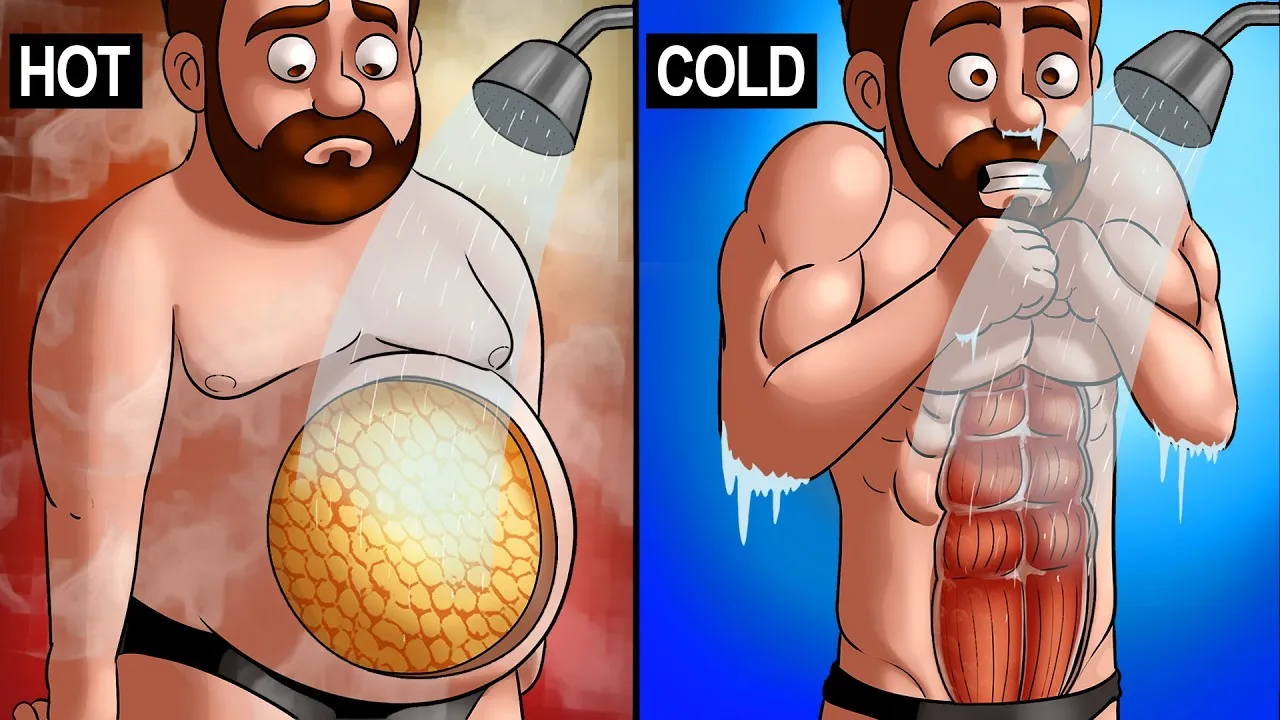
While not a direct fat-burning method, contrast showers—alternating between hot and cold water for short intervals—can be a beneficial post-workout routine. The cold water exposure may help reduce inflammation and improve mood by boosting norepinephrine levels. The hot water aids muscle relaxation and circulation, delivering nutrients to tissues.
Together, they can create a ‘pump and flush’ effect that may reduce soreness and stiffness. More importantly, this practice can provide a mental reset, leaving you feeling energized and associating positive feelings with your workout, which can enhance consistency. Remember, a contrast shower won’t negate the effects of poor dietary choices.
Prioritize Hydration Throughout the Day
Adequate water intake plays a dual role in fat loss: supporting performance and regulating appetite. Drinking water can increase feelings of fullness, helping to curb overeating, especially when combined with high-fiber, protein-rich meals. Even mild dehydration (1-2% of body weight loss) can impair exercise performance, endurance, and fat oxidation.
A simple indicator of hydration is the color of your urine; it should be pale yellow. Aim to drink water consistently throughout the day, not just immediately after your workout.
Ensure Sufficient Protein Intake
Adequate protein intake is paramount for preserving muscle mass while in a calorie deficit, which is essential for fat loss. Active individuals generally need between 0.7 to 1 gram of protein per pound of body weight daily. Protein provides the amino acids necessary for muscle repair and maintenance.
It also has the highest thermic effect of any macronutrient, meaning your body burns more calories digesting it. Protein is highly satiating, helping to reduce overall calorie consumption without strict counting. Whether you’re fasting or not, prioritizing protein after your workout aids muscle recovery.
Incorporate Regular Walking
Adding a brisk walk, either shortly after your workout or later in the day, can significantly contribute to your daily calorie expenditure. Walking is low-impact, easy to recover from, and increases your Non-Exercise Activity Thermogenesis (NEAT)—the calories burned from daily activities outside of structured exercise. NEAT can vary widely between individuals and plays a substantial role in maintaining a lean physique.
A post-dinner walk can also aid digestion, regulate blood sugar, and promote relaxation before bed. These consistent, low-intensity movements accumulate over time, contributing to fat loss without the fatigue associated with more intense training.
Get Quality Sleep for Optimal Results
Sleep is a critical, yet often overlooked, component of fat loss. Studies comparing individuals who slept 5.5 hours per night versus those who slept 8.5 hours found that the sleep-deprived group lost significantly less fat and more muscle, even with identical calorie intake. Sleep deprivation increases cortisol levels, which promotes abdominal fat storage, and disrupts appetite-regulating hormones like leptin and ghrelin.
During deep sleep, the body releases growth hormone, repairs muscle tissue, and replenishes glycogen. Aim for 7-9 hours of quality sleep per night by creating a cool, dark sleep environment and avoiding screens before bed. Treating sleep as an essential part of your recovery routine is crucial for achieving your fat loss goals.
Disclaimer: This article is for informational purposes only and does not constitute medical advice. Always consult with a qualified healthcare provider or a certified fitness professional before making any significant changes to your diet, exercise routine, or health practices.
Source: 8 Things To Do Post-Workout to Lose Belly Fat (YouTube)