Understanding the Cruise Industry’s Evolution
The cruise industry, much like any other sector, is in a constant state of evolution. From adapting to economic downturns to innovating passenger experiences, cruise lines have demonstrated remarkable resilience and creativity. This article will guide you through the key shifts and strategies that have shaped the modern cruise industry, particularly focusing on its response to challenges and its drive for innovation.
The Impact of Economic Downturns
The Great Recession of 2008 presented a significant challenge for the cruise industry. With travel being a discretionary expense, cruise lines faced declining bookings and a need to adapt quickly.
- Price Adjustments: Cruise companies drastically reduced ticket prices, offered onboard credits, and provided two-for-one airfare deals to attract travelers.
- Customer Retention: Some lines, like Norwegian Cruise Lines, offered full refunds to customers who lost their jobs before their scheduled departure, demonstrating a commitment to retaining clients even in difficult times.
- Maintaining Occupancy: These aggressive tactics were crucial in maintaining high occupancy rates, which are essential for the financial stability of cruise lines.
The “Big Boat” Bonanza and Shifting Strategies
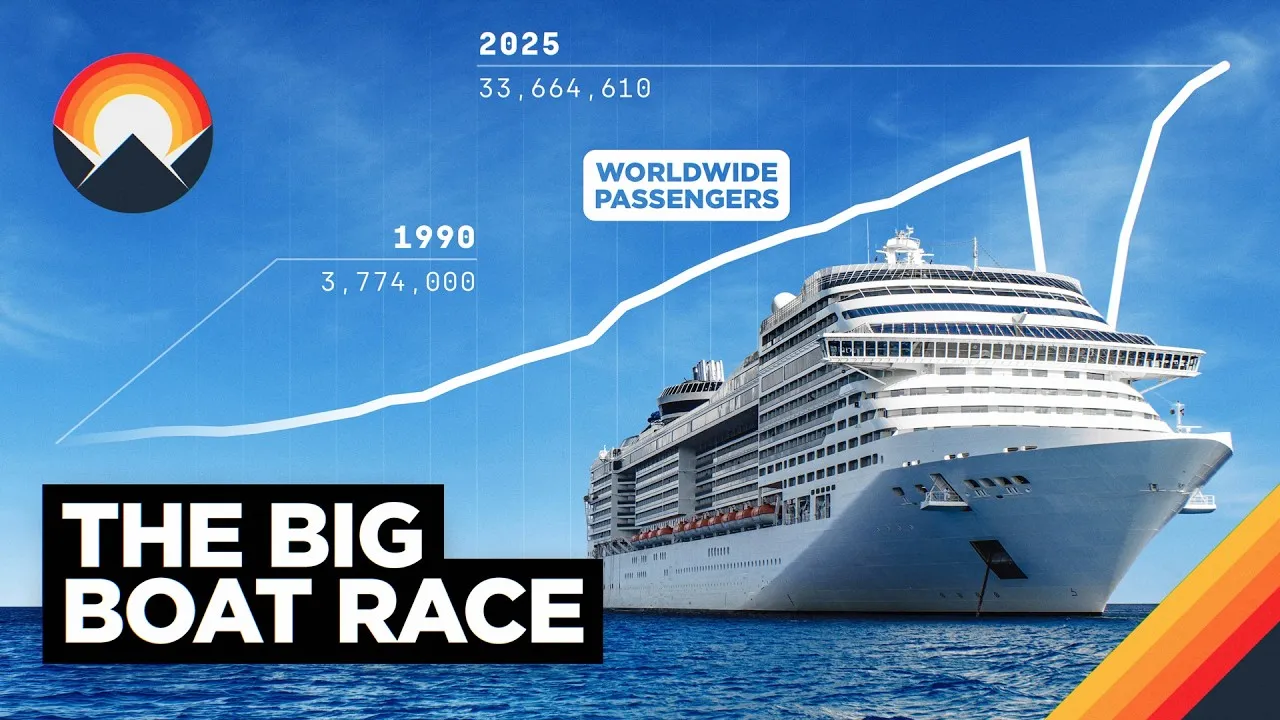
Despite the economic challenges, cruise lines saw an opportunity for revolution, particularly through the development of larger, more feature-rich ships. This era, often termed the “Big Boat Bonanza,” saw a significant pivot in strategy.
- The Oasis of the Seas Revolution: Royal Caribbean’s launch of the Oasis of the Seas in 2009 marked a turning point. This massive ship was designed with distinct “neighborhoods,” offering diverse activities and amenities for all age groups, from children’s programs to nightclubs and sports facilities.
- The Ship as the Destination: The focus shifted from the destinations visited to the experience onboard the ship itself. The amenities and entertainment offered became the primary draw, making the vessel the destination.
- Itinerary Adjustments: To manage costs, especially rising fuel prices, cruise lines began adjusting itineraries. This included cutting stops, shortening routes, or focusing on destinations closer to home, like the Caribbean, which offers year-round cruising potential.
- Fuel Cost Management: Fuel costs became a significant operational expense. Strategies like slowing down ships, optimizing routes, and the introduction of fuel surcharges were implemented to mitigate these costs.
Brand Differentiation in the Modern Era
As the industry expanded, major cruise lines developed distinct brand identities to appeal to specific market segments:
- Carnival: Focused on being the “fun” option, emphasizing affordability, accessibility from drivable ports, and a family-friendly, unpretentious atmosphere.
- Norwegian: Promoted its “Freestyle Cruising” concept, offering flexibility in dining and activities, targeting young professionals, adults, and couples with a more refined experience.
- Royal Caribbean: Positioned itself as “amped,” packing ships with innovative features and groundbreaking attractions to offer a high-energy, all-encompassing family experience, often at a higher price point.
The Rise of Niche and Ultra-Luxury Cruising
While the major players focused on large-scale operations, new entrants and established brands began exploring niche markets, particularly in ultra-luxury and experiential travel.
- Ultra-Luxury Entry: Brands like Ritz Carlton, with its first passenger ship, the Averma, entered the market targeting an ultra-luxury segment. These ships are smaller, offering a more intimate and personalized experience, akin to a luxury hotel at sea.
- Leveraging Brand Loyalty: Companies like Ritz Carlton and Disney leverage their existing brand reputation and customer loyalty. Their core competencies in hospitality, service, and themed entertainment are transferred to their cruise offerings.
- Experiential Focus: The trend is shifting towards unique experiences, whether it’s the immersive onboard activities offered by Disney or the refined service and dining of ultra-luxury lines. The competition is no longer just with other cruise lines but with all forms of land-based travel.
- Disney’s Approach: Disney integrates its cruise line within its broader Disney Experiences division, applying decades of expertise from its theme parks and hotels to create a seamless, family-centric vacation.
The Future of Cruising
The cruise industry continues to innovate, adapting to changing consumer preferences and economic conditions.
- Flexibility and Adaptability: The core advantage of cruising lies in its flexibility. Ships can change itineraries, adjust routes, and even be redesigned to meet evolving demands, offering a nimbleness that other vacation sectors may lack.
- Sustainability and Efficiency: While larger ships and more routes are planned, there’s an increasing awareness of environmental impact. Companies are exploring fuel efficiency and presenting optimized routes as wins for sustainability.
- Continued Expansion: With numerous new builds planned, the industry shows no signs of slowing down. The focus remains on enhancing the onboard experience, catering to diverse demographics, and exploring new market segments.
Conclusion
The cruise industry’s journey, marked by responses to economic crises and a continuous drive for innovation, showcases its ability to adapt and thrive. From the cost-saving measures of the Great Recession to the “Big Boat” revolution and the emergence of niche luxury markets, cruise lines have consistently reinvented themselves. The future promises further evolution, with a continued emphasis on creating compelling onboard experiences and leveraging the inherent flexibility of maritime travel.
Source: The Cruise Industry's Arms Race (YouTube)