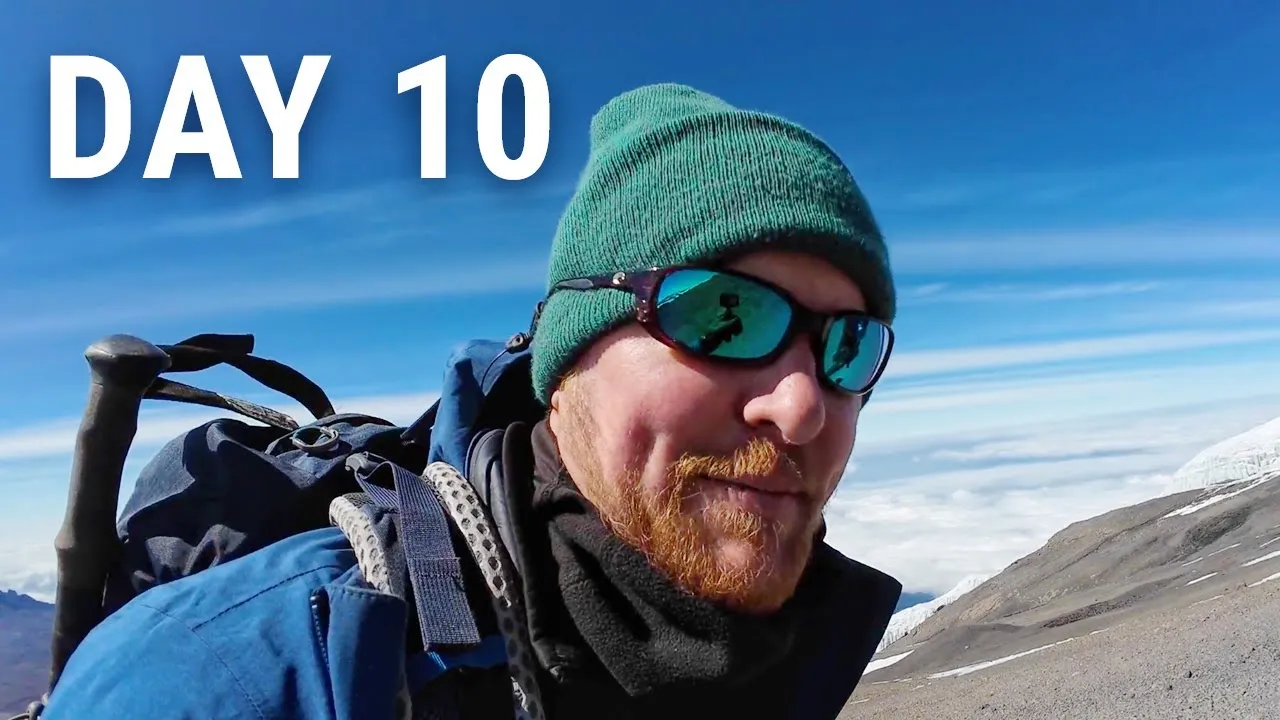
How to Boil Water at Different Altitudes on Mount Kilimanjaro
Embark on a scientific adventure up Mount Kilimanjaro by replicating a fascinating experiment: boiling water at various altitudes. This guide will walk you through the process, illustrating how atmospheric pressure affects the boiling point of water and offering insights into the challenges of high-altitude climbing.
What You’ll Learn
This article details the steps to conduct a simple yet illuminating experiment of boiling water at different elevations during a trek up Mount Kilimanjaro. You’ll discover how the boiling temperature changes as you ascend, gain an understanding of the challenges associated with high-altitude environments, and learn about the key role of acclimatization and experienced guides.
Prerequisites
- A trek to Mount Kilimanjaro.
- A reliable thermometer capable of measuring water temperature (preferably in Celsius, as used in the experiment).
- A heat source (e.g., a portable stove) suitable for camping.
- A container for boiling water.
- A notebook and pen to record observations.
- A guide and support team experienced in Kilimanjaro treks.
The Experiment: Boiling Water at Altitude
Step 1: Preparation and Initial Readings
Begin your experiment at the starting point of your Kilimanjaro trek. Record the initial altitude and the temperature of the boiling water. For example, at an altitude of 8,170 feet, the water boiled at approximately 92.7 degrees Celsius.
Step 2: Continue Recording as You Ascend
As you move through different ecological zones and reach new camps, repeat the process of boiling water. Note the altitude of each location and the corresponding boiling temperature. For instance:
- At First Camp (9,200 feet), the boiling temperature was around 91.8 degrees Celsius.
- As you approach 10,000 feet, the boiling temperature dropped to approximately 89.7 degrees Celsius.
- At 11,500 feet, the boiling point was recorded at 89.4 degrees Celsius.
- In the Moreland region (around 13,700 feet), the boiling temperature was measured at 87.8 degrees Celsius.
- In the Alpine desert zone (13,000 feet), the boiling temperature was noted as 87.9 degrees Celsius.
Expert Note: The decrease in boiling temperature is due to the lower atmospheric pressure at higher altitudes. Less pressure means water molecules need less energy (heat) to transition into a gaseous state (steam).
Step 3: Reaching Higher Altitudes and Observing Changes
Continue the experiment as you climb higher. The data shows a consistent trend of decreasing boiling points. By the time you reach significant altitudes like 15,000-16,000 feet, the boiling temperature will be notably lower than at sea level.
Step 4: The Summit Push and Final Boiling Point
The most challenging part of the ascent is the final push to the summit. During this phase, the air is extremely thin, and atmospheric pressure is at its lowest.
Upon reaching Uhuru Peak, the summit of Kilimanjaro at 19,341 feet, conduct the final boiling of water. In this experiment, the water boiled at approximately 81.2 degrees Celsius.
Observation: This significantly lower boiling point at the summit highlights the extreme conditions of high altitude and the reduced atmospheric pressure.
Understanding the Science and Challenges
Hypoxia and Altitude Sickness
The video touches upon the concept of hypoxia, a condition of oxygen deficiency. As altitude increases, the partial pressure of oxygen in the air decreases, meaning there’s less oxygen available for your body to absorb. This can lead to altitude sickness, which affects individuals differently.
Symptoms can range from headaches and nausea to more severe conditions. Proper acclimatization, slow ascent (‘pole pole’ – slowly, slowly), and monitoring your body’s response are critical.
The Role of Guides and Acclimatization
The importance of experienced guides is significant. They manage the pace, ensure proper acclimatization by having climbers rest at specific altitudes, and make crucial decisions for safety.
The ‘pole pole’ approach is not just a saying; it’s a scientifically proven method to allow your body to adapt to the lower oxygen levels. For example, acclimatization hikes to higher altitudes (like 16,000 feet) followed by a return to a lower camp help your body adjust without overexertion.
Factors Affecting Water Boiling
While altitude is the primary factor influencing boiling point, other elements can play a minor role. The mineral content of the water, sourced from different springs, could potentially cause slight variations in boiling temperature. However, the dominant effect observed during the ascent of Kilimanjaro is the reduction in atmospheric pressure.
Safety and Preparation
Climbing Kilimanjaro is a serious undertaking. It is dangerous, and a significant percentage of climbers do not reach the summit. Preparation is key.
This includes physical training, with a focus on cardiovascular endurance, and potentially simulating altitude conditions during workouts. Understanding how your body reacts to altitude is crucial for a successful and safe climb. Witnessing rescue situations firsthand, as described in the transcript, highlights the real risks involved and the importance of respecting the mountain and its challenges.
The Journey Down
The descent is often as challenging as the ascent, particularly for the knees, and carries its own risks. While the immediate exertion might lessen, the physical toll of the climb and the potential for injury on the downhill are significant. Specialized rescue equipment, like stretchers with shock absorbers, are available for emergencies, though their presence on the mountain can vary.
Conclusion
Boiling water at different altitudes on Mount Kilimanjaro offers a tangible demonstration of physics in action. It is a constant reminder of the changing environment and the physiological challenges faced by climbers. Coupled with the wisdom of experienced guides and a commitment to acclimatization, this scientific experiment becomes an integral part of a memorable and successful Kilimanjaro expedition.
Source: Climbing Kilimanjaro – Smarter Every Day 302 (YouTube)