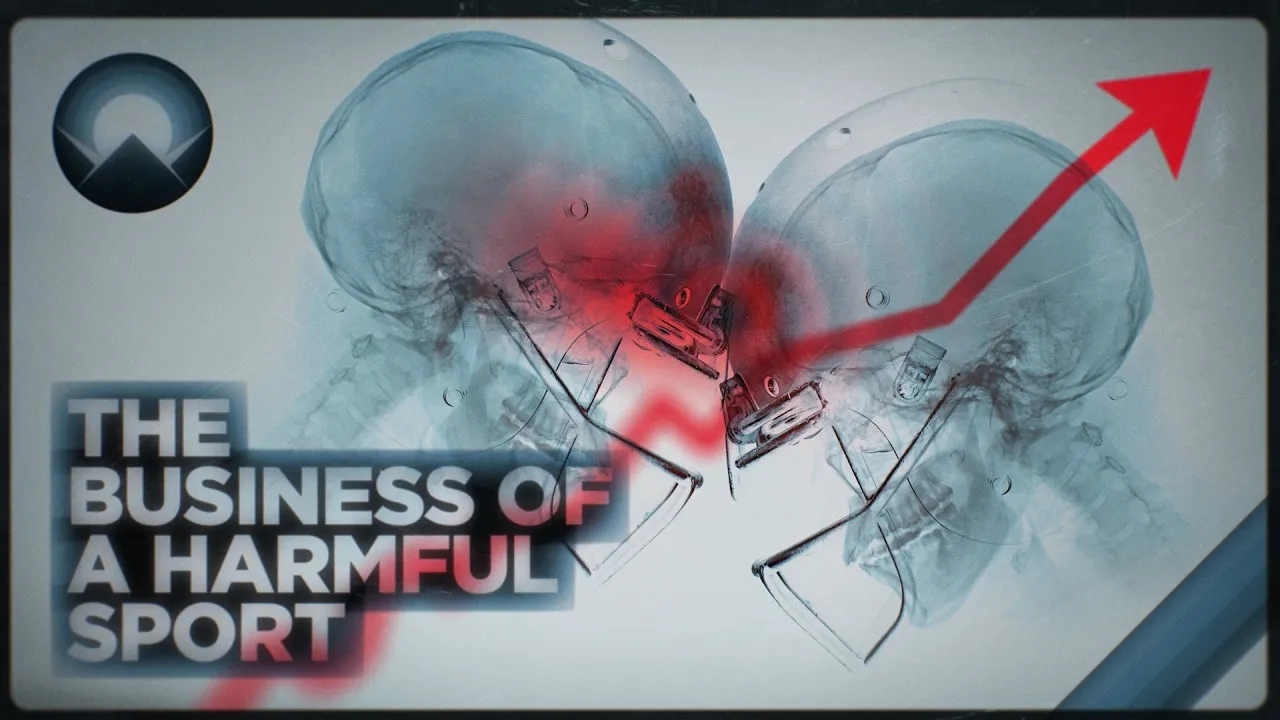
Understanding CTE and Its Impact on Football Players
This article digs into the complex issue of Chronic Traumatic Encephalopathy (CTE) and its profound connection to American football. You will learn about the scientific evidence linking head trauma in football to long-term cognitive dysfunction, the history of CTE discovery, the NFL’s response to the crisis, and the evolving landscape of the sport.
Prerequisites
- No specific prerequisites are required; this article is designed for a general audience interested in the topic.
The Growing Concern of CTE in Football
American football, the most popular sport in the United States, faces increasing scrutiny regarding the long-term health consequences for its players. While the sport has always been perceived as dangerous, a growing body of scientific evidence suggests that frequent head impacts can lead to debilitating cognitive dysfunction later in life, a condition known as Chronic Traumatic Encephalopathy (CTE).
Understanding Concussions vs. Accumulated Head Trauma
It’s crucial to differentiate between individual concussions and the cumulative effect of head impacts. While a single concussion is typically a short-term issue, a subset can lead to long-term problems. The likelihood of permanent cognitive impairment increases with each additional concussion.
However, studies suggest that the sheer frequency of head impacts in football, far exceeding that in sports like ice hockey, is more strongly correlated with future cognitive disability than concussion rates alone. This accumulated head trauma, often occurring during tackles and blocks, is the primary concern.
The Discovery of CTE in Football Players
- The Case of Mike Webster: The link between football and CTE began to surface with the case of former Pittsburgh Steelers legend Mike Webster. After a distinguished 17-season career, Webster suffered from progressive cognitive dysfunction, including memory loss, mood swings, and eventually homelessness. His death in 2002 from cardiac arrest led to an autopsy where neuropathologist Dr. Bennet Omalu discovered abnormal accumulations of tau proteins in his brain.
- Identifying CTE: These tau protein accumulations were similar to those found in Alzheimer’s patients, but Webster was too young for Alzheimer’s. Further examination revealed a distinct pathology, which Dr. Omalu identified as CTE, a condition previously not found in football players.
- Establishing the Pattern: The diagnosis of CTE in Webster’s brain was initially met with skepticism. However, when another former Steelers player, Terry Long, also showed signs of CTE after his death, a pattern began to emerge. Dr. Omalu and his colleagues began examining more brains from former football players and found CTE at an extraordinary rate.
- The NFL’s Response: The NFL initially employed a strategy of denial and employed its own researchers to discredit the findings. They also exerted pressure on academic journals publishing CTE research. However, as public and congressional pressure mounted, the league was forced to acknowledge the issue.
The NFL’s Strategic Response to the Crisis
The NFL’s primary concern regarding CTE was not solely player health but also the potential disruption of its financial interests, particularly the pipeline of future players and fans. Youth football participation had begun to plateau and then decline, signaling a potential long-term threat to the league’s dominance.
- International Expansion: To counteract declining domestic youth participation, the NFL intensified its strategy of international expansion. This included playing regular season games in London and investing in infrastructure like the Tottenham Hotspur Stadium. The league has since expanded its international presence with games in various global cities.
- Promoting Flag Football: The NFL heavily invested in flag football as a safer alternative to tackle football. They established youth leagues like NFL Flag and have poured resources into making it a viable competitive sport, even sponsoring its inclusion in the Olympics for the 2028 Summer Games. While flag football is a safer alternative, its strategic differences from tackle football raise questions about whether it will fully replace the appeal of the traditional game.
- Rule Changes and Safety Innovations: The league has implemented numerous rule changes over the years to reduce the likelihood of high-impact collisions. A significant recent change in 2024 involved revamping the kickoff rules, leading to a substantial reduction in concussions during that phase of the game. These rule adjustments aim to mitigate the frequency of dangerous impacts.
The Evolving Landscape of Football and CTE
Despite the NFL’s efforts, the issue of CTE remains a significant concern. Studies, such as one from Boston University, have shown extremely high prevalence rates of CTE in the brains of deceased NFL players, highlighting the persistent risks associated with the sport. The increasing awareness of CTE has led to serious considerations in some states about banning tackle football for young children, viewing it as a risk comparable to alcohol or tobacco.
While the NFL’s revenue continues to grow, and viewership remains high, subtle trends suggest a potential future reckoning. The socioeconomic demographics of players and fans are shifting, with players increasingly coming from less affluent backgrounds and fans from wealthier ones. This dynamic, coupled with the understanding of CTE’s debilitating effects, draws parallels to historical spectacles like gladiatorial contests, where individuals from disadvantaged backgrounds risked severe injury for wealth and entertainment for a wealthier audience.
Conclusion
The NFL has made strides in addressing the concussion crisis, particularly through rule changes and the promotion of flag football. However, the long-term consequences of accumulated head trauma, as evidenced by CTE, remain a critical challenge. The league’s future may depend on its ability to fundamentally innovate the sport to drastically reduce injury risks and ensure that the pursuit of athletic dreams does not condemn young men to a life of psychological torment.
Source: The NFL's Concussion Crisis (YouTube)