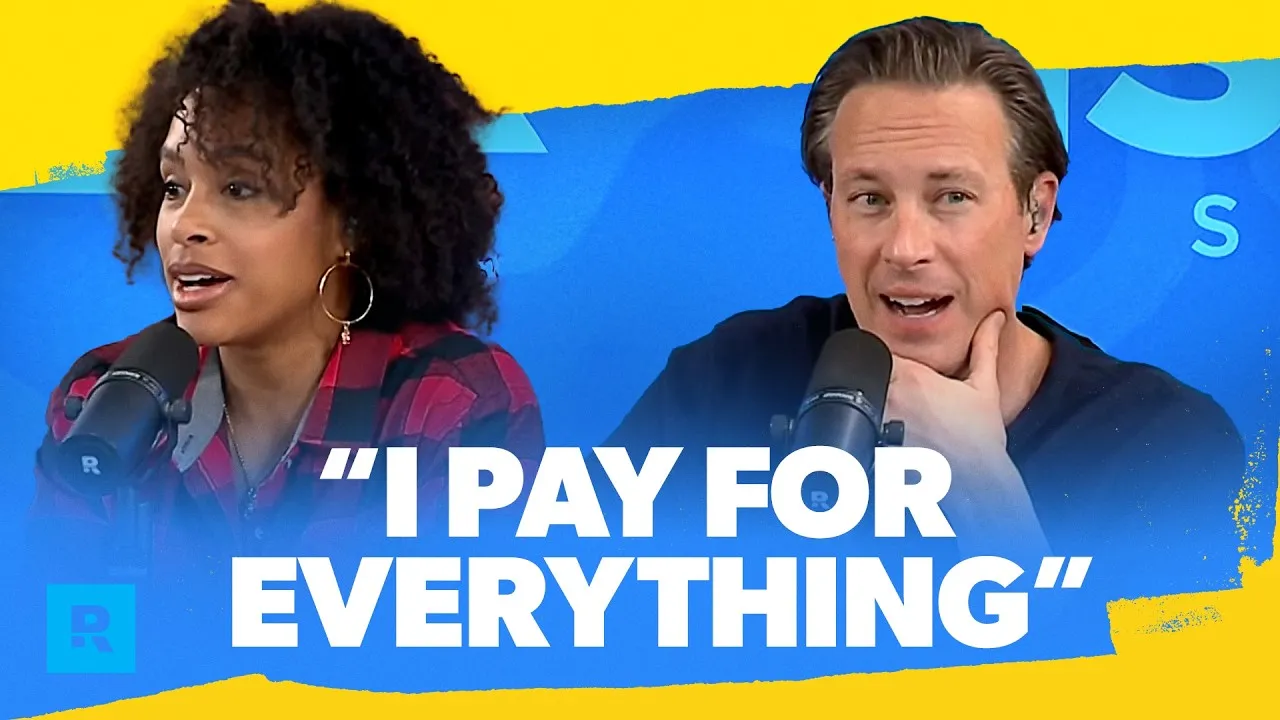
Young Saver Faces Financial Strain in Dating Relationship
A young professional earning $135,000 annually and boasting $100,000 in savings is seeking guidance on a relationship where he feels financially “leaned on” by his girlfriend. The 20-something individual, who has no debt and maximizes his 401(k) contributions while earning an impressive 18% on his private savings, is questioning the health of his relationship and whether he should be prioritizing wealth generation over his current spending patterns within the partnership.
The core of the issue, as detailed in a recent financial advice discussion, revolves around shared expenses like vacations, weekend getaways, and dates. The young man, identified as Tyler, states that he consistently covers the full cost of these activities, including entire vacations.
When pressed for specifics on how these financial arrangements are decided, Tyler explained that it’s not a point of explicit negotiation. His girlfriend, who works in mental health and earns approximately $50,000 annually with a reported $70,000-$80,000 in debt, is aware of his financial stability, and consequently, he feels the expectation to pay is implicitly understood.
“It’s more of just like she knows that I know and that it’s like really not even up for discussion,” Tyler explained.
Financial experts on the program highlighted the importance of understanding the dynamics of these conversations. They differentiated between a scenario where one partner initiates an activity and covers the costs, and one where the other partner suggests an expensive outing, leading the first partner to feel obligated to pay. In Tyler’s case, the suggestion for activities seems to originate from a mutual understanding, but the financial responsibility disproportionately falls on him, with his girlfriend’s financial situation and debt being a significant factor.
“I think Do you feel that? I want to make sure I get the female perspective.
I feel okay. I get the lean,” one of the hosts commented, acknowledging the perceived imbalance.
The relationship is currently in the dating phase, with the couple having been together for a year and a half. They do not live together. Tyler described his own financial philosophy as “minimalist,” contrasting it with a perceived tendency for his girlfriend’s “standard” for spending to increase when he is involved, particularly in shared experiences.
Navigating Chivalry and Financial Boundaries
The discussion delved into the fine line between traditional chivalrous behavior and excessive financial burden in a dating relationship. Experts emphasized that for a couple not living together and in the dating phase, it is generally expected for the male partner to cover expenses, especially for dates. However, they cautioned that this expectation should not extend to consistently funding significantly expensive activities, particularly when suggested by the partner who is less financially capable.
“So, you’re paying for dates. However, when she comes up with an idea that is an expensive idea, and by the way, you get to determine what you feel is expensive. This is a two-way street,” one analyst advised.
“And you’re the money. So, when she brings that up, you should feel free to say that feels like it’s too much. And you can explain why.”
The advice given was to proactively communicate financial comfort levels. If a proposed vacation, for instance, has a $6,000 price tag that makes one partner uncomfortable, it’s crucial to state that and propose alternatives or discuss splitting costs. The example provided suggested a willingness to spend $2,000 on a vacation, and if the partner could not contribute half, then either a more budget-friendly option should be chosen, or the trip might not happen.
“And then you explain to her, ‘But I think you should be paying for half of it.’ Well, I can’t right now. So then we aren’t going. Or we pick something more in your budget.”
Long-Term Relationship Viability and Financial Philosophy
The financial experts stressed that these conversations, while potentially uncomfortable, are critical for assessing long-term relationship compatibility. Money issues are frequently cited as a primary cause of marital conflict and divorce. Therefore, using scenarios like vacation planning provides an opportunity to understand each other’s core values and financial philosophies before the relationship becomes more serious.
“If this is somebody that you’re starting to go down that path of she might be the one, this is to to Ken’s point, this is just the type of scenario where you can start these conversations to really see what are each of your philosophies on money,” one commentator noted. “And now is not the time to try to change somebody. Now is the time to try to go, who are you for real?”
A key strategy proposed for broaching these sensitive topics is to let the other person share their financial philosophy first, rather than immediately stating one’s own. This approach aims to prevent individuals from “shapeshifting” their views to align with what they believe the other person wants to hear, especially in the early stages of a relationship. By listening to the other person’s perspective on debt, spending habits, and financial goals without influence, one can gain a more authentic understanding of their partner.
The hosts expressed hope that this situation would lead to clarity. Ideally, the girlfriend would reveal her true financial perspective, allowing for an open discussion about whether their views can meet in the middle.
If she is willing to learn and adopt principles that align with Tyler’s financial discipline, it could signify a strong commitment. Conversely, her reaction to these conversations would reveal whether she values the relationship enough to adapt her financial habits.
Market Impact and Investor Takeaway
While this scenario is personal, it underscores a broader financial principle: the importance of aligning financial expectations and behaviors in partnerships. For individuals, especially those in their prime wealth-building years, understanding their own financial goals and communicating them effectively is paramount. This applies not only to personal relationships but also to investment strategies.
Young professionals like Tyler, who are already demonstrating strong saving habits and financial acumen by maximizing retirement accounts and achieving high returns on savings, are well-positioned for long-term financial success. The key is to ensure that personal relationships do not derail these efforts. The ability to have open and honest conversations about money, setting clear boundaries, and making joint decisions based on shared financial goals are crucial for both relationship health and individual financial well-being.
For investors, this situation is a reminder that financial discipline extends beyond investment portfolios. It involves managing lifestyle spending, communicating financial needs and goals with partners, and ensuring that personal relationships support, rather than hinder, the pursuit of financial security and wealth accumulation. The discipline shown by Tyler in saving and investing is a positive trait that, when coupled with effective communication in his personal life, can lead to sustained financial growth.
The advice to start budgeting for free with tools like the Every Dollar app was also highlighted, emphasizing that establishing a clear financial plan is the foundation for making informed decisions, both individually and as a couple.
Source: I Feel Like My Girlfriend Is Mooching Off Me (YouTube)